





A Parade of Planets
September is a fantastic month for planet-spotting. The show is led by Venus, which will be a stunningly bright object in the western evening sky right after sunset. It reaches its peak brightness for the entire year this month, making it impossible to
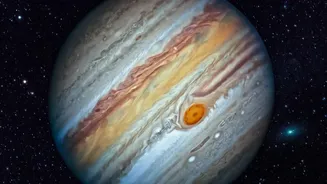
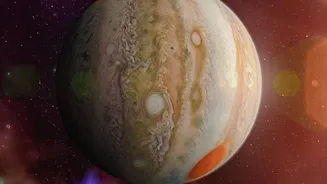
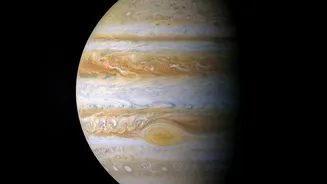
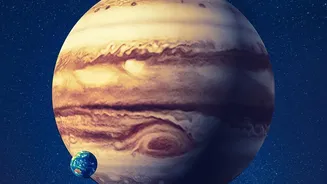
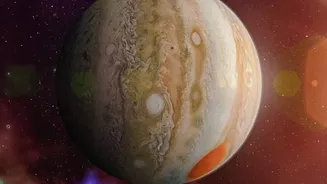
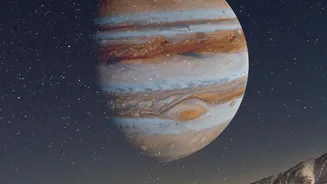
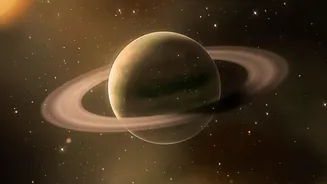
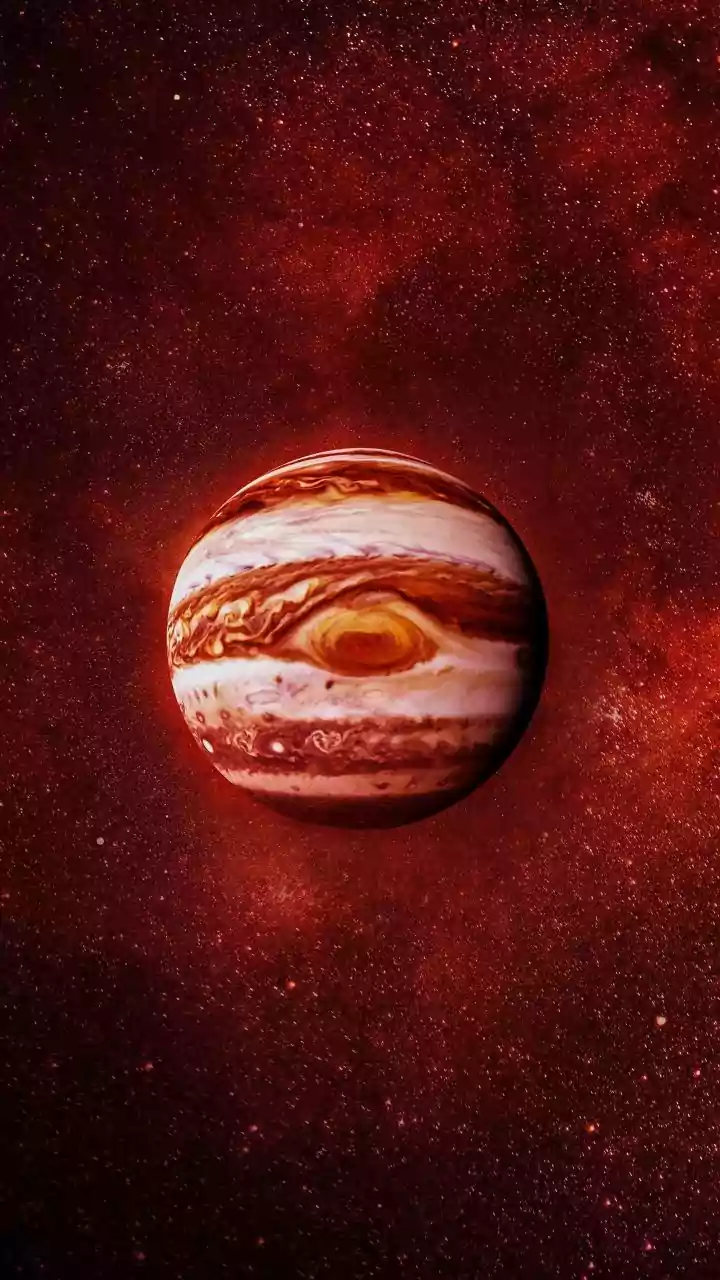
miss. Saturn will also be a prominent feature, rising in the eastern sky not long after sunset and remaining visible for most of the night. While you'll see it as a bright, yellowish, star-like object with the naked eye, even a basic pair of binoculars might reveal its elongated shape, hinting at its famous rings. For the early risers, the pre-dawn sky offers its own rewards. Look to the east before sunrise to spot two more planets: Mars and Jupiter. Mars, with its distinct reddish hue, is steadily growing brighter as it gets closer to Earth. Not far from it, you'll find the brilliant white glow of Jupiter, which dominates the morning sky.
The Harvest Moon's Gentle Glow
The full moon of September is famously known as the Harvest Moon. In 2026, it will reach its peak fullness on the evening of Saturday, September 26. This full moon is the one that occurs closest to the autumnal equinox (around September 22-23). It earned its name because, for several evenings in a row, the moon rises at nearly the same time around sunset. This phenomenon provided farmers with extra hours of bright moonlight in the evenings, allowing them to continue harvesting their crops well into the night. This month, the full moon rises among the stars of the constellation Pisces. Look for it to appear on the eastern horizon around sunset, displaying a beautiful orange or yellow hue as its light filters through the Earth's atmosphere.
Constellations of the Season
With the skies clearing, it's a perfect time to learn some new constellations. High in the southern sky after dark, look for the Summer Triangle, a prominent asterism formed by three bright stars: Vega, Deneb, and Altair. These stars are the brightest in their respective constellations: Lyra (the Lyre), Cygnus (the Swan), and Aquila (the Eagle). Another easy-to-spot shape is the 'W' of Cassiopeia, which is very recognizable in the northern sky. Also climbing higher in the east is the Great Square of Pegasus, the winged horse from Greek mythology. This large square of four stars—Markab, Scheat, Algenib, and Alpheratz—forms the body of the celestial horse and serves as a great signpost for the autumn sky. A fun, smaller constellation to find near the Summer Triangle is Delphinus, the Dolphin, which has a compact and distinctive shape that actually looks like a leaping dolphin.
Tips for the Urban Stargazer
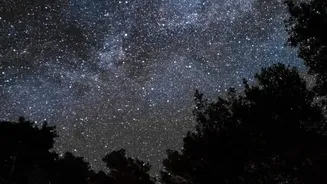
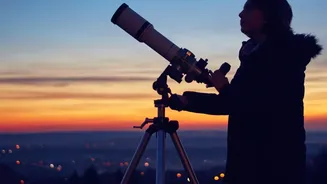
Living in a bright city doesn't mean you have to miss out on the cosmic show. The key is to manage light pollution. If possible, find a location like a park, a rooftop, or even a balcony that offers an open view of the sky away from direct streetlights. Even using a building or a line of trees to block the glare from a nearby lamp can make a significant difference. One of the most important tips is to give your eyes time to adapt to the dark; it can take 20 to 30 minutes for your vision to become fully sensitive to low light, allowing you to see fainter stars. Using a stargazing app on your phone can help you identify what you're seeing, but make sure to switch it to 'night mode,' which uses a red filter to protect your night vision. Nights after a rain shower are often best, as the rain clears dust and pollutants from the air, leaving the sky clearer.