




The Prep Step: Soften Before You Scrub
Attacking hard, dry calluses with a file or scrub is not just ineffective; it can lead to irritation. The crucial first step is to soften the skin. Soaking your feet in warm water for 10-15 minutes makes a world of difference. This simple act makes the thick
layers of dead skin more pliable and easier to remove. For an enhanced soak, consider adding Epsom salts, which can help soothe tired feet and soften skin even further. Some also find a splash of white or apple cider vinegar beneficial for breaking down tough skin. The key is to avoid water that is too hot, as this can paradoxically dry out your skin even more.
Choose Your Exfoliation Wisely
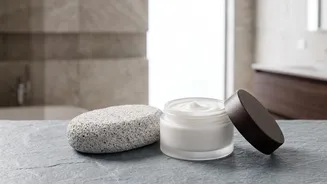
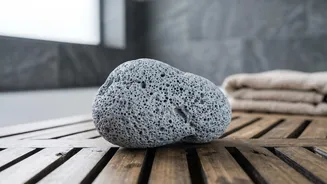
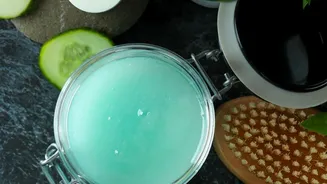
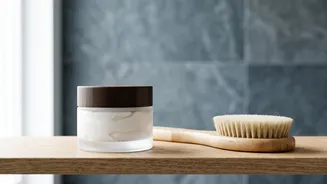
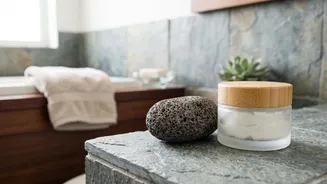
Once your feet are softened and patted dry, it's time to exfoliate. There are two main approaches: physical and chemical. Physical exfoliation involves tools like pumice stones, foot files, or grainy scrubs to manually buff away dead skin. A pumice stone is a gentle, classic option for mild buildup. For thicker calluses, a foot file can be more effective, but it's important to use a light touch to avoid damaging healthy skin. Chemical exfoliants use ingredients like alpha-hydroxy acids (AHAs) such as glycolic acid, or urea to dissolve the bonds holding dead skin cells together. These often come in the form of foot peel masks or lotions. While foot peels provide a dramatic, deep exfoliation over several days, they require patience and should not be used on irritated or broken skin. Never use sharp razors or scrapers, which can cause injury and infection.
The Art of Gentle Exfoliation
Whichever method you choose, gentleness is paramount. The goal is to remove the excess dead skin, not to scrub your feet raw. When using a pumice stone or file, work in gentle circular or back-and-forth motions, focusing only on the callused areas like the heel and ball of the foot. Let the tool do the work and don't apply excessive pressure. The goal is smoothness, and any sign of redness or stinging is a clear signal to stop. How often you should exfoliate depends on your skin and the method. For most, a gentle physical exfoliation once or twice a week is sufficient. Over-exfoliating can strip the skin and lead to irritation.
The Non-Negotiable Final Step: Moisturise
Exfoliation is only half the battle. After you've removed the dead skin, the new skin underneath is fresh and vulnerable, but also primed to absorb moisture. Applying a good moisturizer immediately after you've dried your feet is the most critical step for locking in your results and preventing future dryness. Look for rich foot creams with ingredients known to hydrate and repair. Urea is a powerhouse ingredient that both moisturizes and continues to gently exfoliate. Other beneficial ingredients include ceramides, glycerin, shea butter, and lactic acid. For an intensive overnight treatment, apply a generous layer of cream and slip on a pair of clean cotton socks. This helps the moisturizer penetrate deeply, leaving you with noticeably softer feet by morning.
Maintaining Your Smooth Results
Achieving soft feet is one thing; maintaining them is another. Consistency is key. Make moisturizing your feet a daily habit, ideally after a shower when your skin is most receptive. This daily hydration is often more important than the frequency of exfoliation. Pay attention to your footwear, as friction from ill-fitting shoes can contribute to callus buildup. Between deeper exfoliation sessions, you can use a washcloth or a gentle scrub in the shower to help maintain smoothness. By integrating this simple three-part routine—soften, gently exfoliate, and always moisturize—into your regular self-care, you can finally say goodbye to rough, cracked heels and enjoy comfortably smooth feet year-round.