

A Nutritional Powerhouse
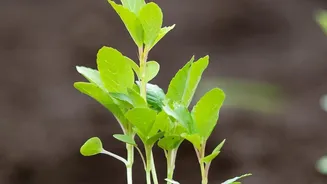
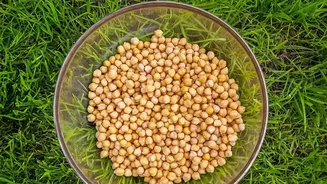
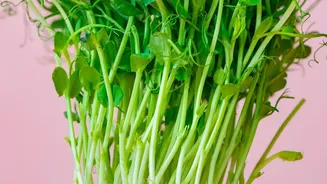
Known locally as khesari or tivda, the grass pea (Lathyrus sativus) boasts a remarkable nutritional profile. Its seeds can contain anywhere from 26% to over 31% protein, a figure that surpasses many other popular legumes like chickpeas. This makes it a formidable
tool in combating protein malnutrition. Beyond protein, it is also a rich source of carbohydrates, dietary fibre, and essential micronutrients, including a host of B vitamins. For generations, it has served as a vital food source, particularly in regions prone to food scarcity.
The Climate-Proof Survivor
Perhaps the grass pea's most compelling trait is its sheer toughness. It is an exceptionally resilient crop, capable of withstanding environmental stresses that would decimate other plants. It thrives in conditions of both extreme drought and waterlogging, making it a reliable 'insurance crop' when monsoons fail or fields are flooded. This hardiness allows it to grow in marginal, nutrient-poor soils where other staples cannot survive, requiring minimal agricultural inputs and making it a low-cost, low-impact choice for farmers.
A Friend to the Farmer and the Soil
The grass pea’s benefits extend beneath the ground. As a legume, it is an efficient nitrogen-fixer, meaning it converts atmospheric nitrogen into a form that plants can use. This natural process enriches the soil, meeting its own nitrogen needs and leaving a nutrient boost for subsequent crops. By improving soil fertility, the grass pea helps reduce farmers' reliance on expensive and environmentally taxing chemical fertilizers, promoting a more sustainable agricultural cycle.
Addressing a Complicated Past
The story of the grass pea is incomplete without addressing its controversial history. Traditional varieties contain a neurotoxin called ODAP (or BOAA), which, under specific conditions, can cause a paralytic disorder known as neurolathyrism. This risk is primarily associated with overconsumption—when the grass pea constitutes more than a third of a person's diet for several months, typically during famines when no other food is available. This health concern led the Indian government to ban its sale and storage in 1961. However, it's crucial to note that when consumed as part of a balanced diet, the risk is virtually non-existent.
A Safer, Brighter Future
Recognizing the crop's immense potential, scientists have been working for years to develop safer varieties. These efforts have been successful. Researchers at the Indian Council of Agricultural Research (ICAR) and other institutions have developed new, low-toxin varieties of grass pea, such as 'Ratan', 'Prateek', and 'Mahateora'. These improved versions contain levels of ODAP far below the threshold considered dangerous, paving the way for the crop's reintroduction. With these new, safer seeds, the grass pea is poised for a comeback, not as a 'famine food', but as a mainstream pulse that is both nutritious and climate-smart.