

The Main Attraction: A Planetary Parade
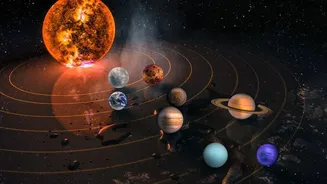
September 2026 is a fantastic month for planet-spotting, with several of our solar system neighbours making prominent appearances. The undisputed star of the evening show is Venus. Look to the west just after sunset, and you can't miss it; it will be a stunningly
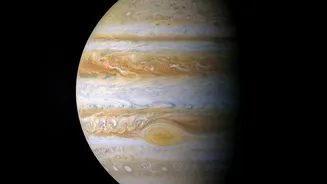
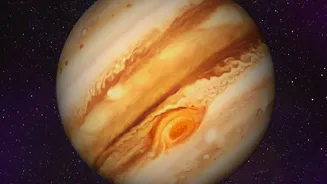
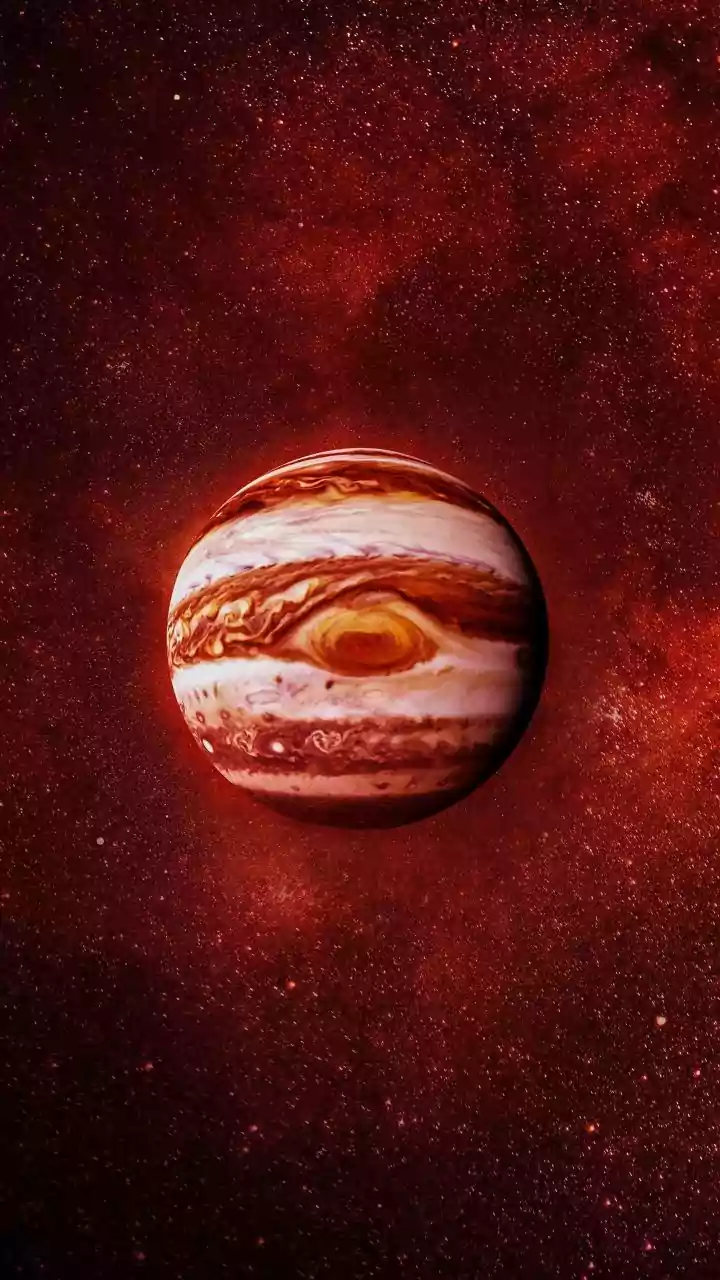
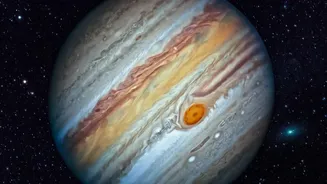
bright point of light. Around September 18, Venus reaches its peak brightness for the year, making it an easy target even from light-polluted cities. Saturn is another evening guest, rising in the eastern sky and remaining visible for most of the night. For early risers, the pre-dawn sky offers its own rewards. Look east before sunrise to spot reddish Mars and the brilliantly bright Jupiter. On the mornings of September 6 and 8, the crescent Moon will pass very close to Mars and Jupiter, respectively, creating beautiful pairings that are perfect for photos or just quiet appreciation.
A Sprinkle of Shooting Stars
While September doesn't host any major meteor showers like August's famous Perseids, it does offer a more subtle display. The September Epsilon Perseid meteor shower is active from September 5 to 21, peaking around September 9. This is a minor shower, producing maybe five to eight meteors per hour under perfect conditions. However, 2026 offers a significant advantage: the peak coincides with a nearly new moon, meaning the sky will be exceptionally dark. This provides ideal conditions for spotting these fast-moving streaks of light. The best time to watch is after the radiant point, in the constellation Perseus, rises above the eastern horizon in the late evening. While the rates are low, the dark skies make it a worthwhile and peaceful skywatching activity.
Constellations to Look For
September is a transitional month for constellations, with the bright stars of the Summer Triangle—Vega, Deneb, and Altair—still high in the sky after sunset. As the night progresses, the autumn constellations become more prominent. Look to the east for the Great Square of Pegasus, a large asterism that forms the body of the mythical winged horse. Adjacent to Pegasus is the constellation Andromeda, home to the Andromeda Galaxy. From a dark location, this distant galaxy is visible to the naked eye as a faint, fuzzy patch of light. Using a pair of binoculars will make it much easier to see. Also visible in the northern sky is the distinctive 'W' shape of Cassiopeia.
Marking a Change of Seasons
This month also brings a significant astronomical milestone: the autumnal equinox. On September 23, 2026, the Sun will cross the celestial equator, heading south. This event marks the official start of autumn in the Northern Hemisphere. While many people think the equinox is a day with exactly 12 hours of day and 12 hours of night, this isn't strictly true due to the way we measure sunrise and how our atmosphere bends light. Following the equinox, the full moon on September 26 is known as the Harvest Moon. This is the full moon that falls closest to the autumnal equinox. It's named for the bright moonlight it provided farmers for several evenings in a row, allowing them to extend their harvest time into the night.
Tips for Easy Skywatching
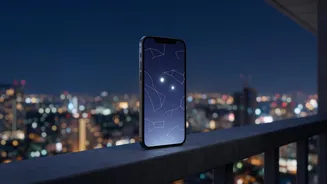
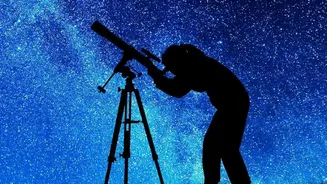
You don’t need expensive equipment to enjoy the night sky. The most important tool is your own eyes. Find a location away from the bright lights of the city. Parks or rural areas are ideal. Give your eyes at least 15-20 minutes to fully adapt to the darkness; you'll be amazed at how many more stars become visible. While a telescope is a wonderful tool, a simple pair of binoculars can dramatically enhance your view, revealing craters on the Moon, the moons of Jupiter, and the dense star fields of the Milky Way. There are also many excellent smartphone apps that can help you identify planets, stars, and constellations in real-time. Just point your phone at the sky, and the app will tell you exactly what you're looking at.