








The AI Gold Rush and Its Power Bill
The rise of generative AI has triggered an unprecedented demand for computational power. Unlike traditional computing, training and running large AI models involves trillions of calculations performed by specialised hardware, primarily Graphics Processing
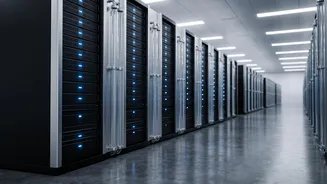
Units (GPUs). These GPUs consume far more energy than the Central Processing Units (CPUs) that power standard data centres. An average server rack for conventional computing might draw 10-15 kilowatts, but a rack filled with high-performance GPUs for AI can demand anywhere from 40 to over 100 kilowatts. This dramatic increase in power density means that AI data centres consume three to five times more power per square foot than their traditional counterparts. As a result, global electricity consumption from data centres, which stood at around 1.5% of the world's total in 2024, is projected to double by 2030, largely driven by the demands of AI.
India's Burgeoning Data-Centre Boom
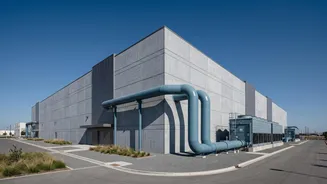
This global trend is intensely reflected in India, which is emerging as Asia's fastest-growing data centre market. While India currently holds about 3% of global data centre capacity, its AI market is forecast to grow at a compound annual growth rate of over 28% through 2033. This creates a massive gap between the country's AI ambitions and its current infrastructure. To meet this demand, India's data centre capacity is projected to triple from 1.6 GW in mid-2026 to 6 GW by 2029, spurred by over $50 billion in commitments. This expansion is not just about building more facilities; it's about constructing a new generation of AI-ready centres capable of handling high-density power and cooling needs. Cities like Mumbai and Chennai remain major hubs, but new AI-oriented campuses are also emerging in locations like Visakhapatnam, fundamentally changing the nation's digital geography.
The Twin Challenges of Energy and Heat
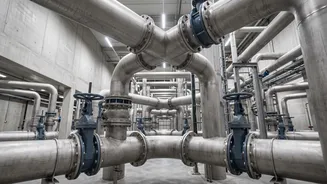
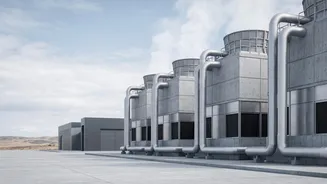
The immense power draw creates two core problems: sourcing enough electricity and dissipating the tremendous heat generated. A single large AI data centre can consume as much electricity as 100,000 homes or more, placing a significant strain on local and regional power grids. This surge in demand is causing challenges for utility providers, with grid connection timelines sometimes stretching out for years. The second issue is thermal management. Packing thousands of heat-producing chips into a confined space creates a significant cooling challenge. If not managed effectively, this heat can degrade performance and damage equipment. Traditionally, data centres have relied on massive air-conditioning systems, which are themselves energy-intensive. Furthermore, many cooling systems rely on water—sometimes millions of gallons per day for a large facility—which creates a major environmental strain, especially in water-scarce regions.
The Urgent Race for Efficiency
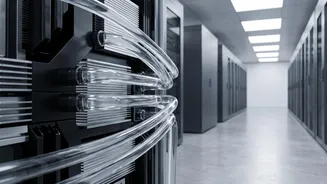
The combination of high costs, environmental concerns, and physical limitations has ignited a race to make data centres more efficient. The key focus is moving beyond conventional air cooling. Liquid cooling, a method that uses circulating fluids to draw heat directly from components, is becoming mainstream. Because liquid transfers heat far more effectively than air, it can significantly reduce the energy spent on cooling, which is a major operational cost. There are several approaches, including circulating liquid through pipes attached to server racks or even fully immersing hardware in a non-conductive fluid. Beyond cooling, companies are also innovating in chip design to create more power-efficient processors and developing sophisticated software to automate and optimise energy consumption in real-time. This push for 'Green IT' is no longer just a reputational goal; it's a strategic and economic necessity.