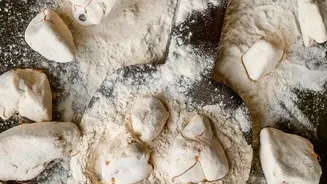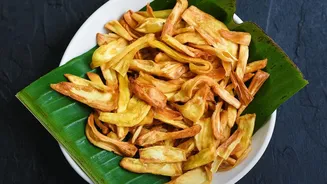







That giant, spiky fruit from the tropics is having a moment. But forget wrestling with its sticky flesh—jackfruit is now the star of the snack aisle, transformed into addictively crispy chips. Here’s a closer look at this popular treat.
From Giant Fruit to Crunchy Bite
Jackfruit is one
of the largest tree-borne fruits in the world, common in South and Southeast Asian cuisines. While ripe jackfruit is known for its sweet, aromatic flesh often compared to a mix of pineapple, mango, and banana, its unripe form has a neutral flavour and a firm, meaty texture, making it a popular plant-based substitute for pulled pork. Jackfruit chips, however, are a different experience altogether. A beloved snack in regions like Kerala, where they are known as 'chakka varuthathu', these chips are made by slicing the fruit's bulbs and cooking them until they achieve a satisfying crunch. The process turns the fruit into a convenient, munchable snack that captures its essence in a completely new form.
The Art of the Crisp
There are two main ways to make jackfruit chips, and the method depends on the fruit's ripeness. The traditional savoury chip, popular in South India, uses firm, unripe jackfruit. The bulbs are sliced, sometimes coated in a bit of turmeric, and deep-fried in oil—traditionally coconut oil, which adds a subtle, tropical aroma. A dash of salt water is often added to the hot oil towards the end of frying, which seasons the chips and helps draw out the final bit of moisture for maximum crispiness. The other method uses ripe jackfruit, which is naturally much sweeter. Because its high sugar content would cause it to burn in a deep fryer, ripe jackfruit is often vacuum-fried at lower temperatures. This technique dehydrates the fruit and achieves a light, crispy texture while preserving more of its natural colour and flavour.
A Uniquely Sweet and Savoury Flavour
So, what do they actually taste like? Jackfruit chips occupy a unique space between a sweet fruit snack and a savoury potato chip. Unlike fresh jackfruit, the flavour in the chip is more subtle and concentrated. Chips made from unripe fruit are primarily savoury and starchy, with just a faint, underlying sweetness. Those made from ripe fruit are noticeably sweeter, with a light, tropical taste that’s not overpowering. Most people describe the overall flavour profile as mildly sweet and slightly nutty, with a satisfyingly dense crunch that sets it apart from lighter, airier potato or banana chips. The key is to stop comparing them to the fresh fruit and appreciate them as their own distinct snack.
A Healthier Snacking Option?
As a snack food, jackfruit chips offer some surprising nutritional perks, though moderation is key. The fruit itself is a good source of dietary fibre, potassium, and vitamin C. Much of the fibre is retained during the cooking process, which supports digestion and can help you feel full. However, the final health profile depends heavily on how the chips are prepared. Deep-fried versions will be higher in fat and calories. Vacuum-fried or dehydrated chips often contain less oil. Many commercial brands contain only jackfruit, oil, and salt, but it's always wise to check the label for added sugars or preservatives. While they are a more nutrient-dense option than many highly processed snacks, they are still a calorie-dense food.
How to Find and Enjoy Them
Once a regional specialty, jackfruit chips are now widely available across India and beyond, thanks to online retailers and speciality food stores. They are commonly found in cities with large South Indian populations, such as Bengaluru, Chennai, and Pune, but can also be ordered for delivery in areas like Delhi NCR. You can enjoy them straight out of the bag as a tea-time snack, much like banana chips. They also work well as a crunchy topping for salads or even crushed and sprinkled over curries and rice dishes to add texture. Whether you prefer the savoury notes of unripe jackfruit or the gentle sweetness of the ripe version, these chips offer a delicious and distinctive crunch.