








Pack Smart from Home
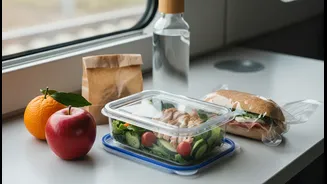
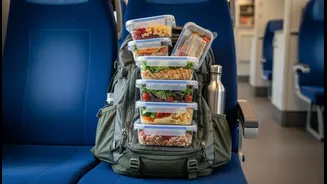
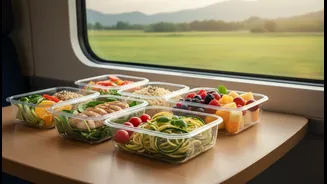
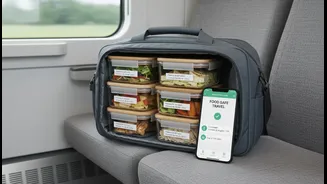
The safest meal is often the one you pack yourself. For the first day of your journey, home-cooked food is a great option. Think of items that travel well and don't spoil quickly. Dry preparations are your best friends. Consider packing theplas, puris
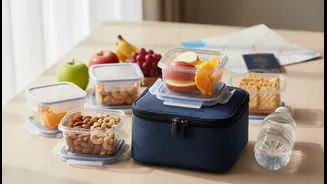
with a dry aloo or bhindi sabzi, idlis, or sandwiches without mayonnaise or other creamy spreads. These items can typically last for the first 6-8 hours without issue. For the rest of the trip, rely on non-perishable snacks like roasted makhana, dry fruits, nuts, biscuits, and khakhra. These will keep you full without the risk of spoilage that comes with cooked meals over time.
Be a Smart Buyer on the Go
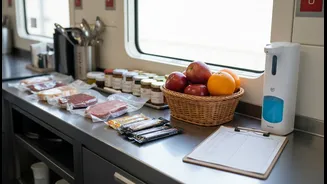
At some point, you'll likely need to buy food from platform vendors or the train's pantry car. This is where a little vigilance goes a long way. When buying from stalls, opt for food that is served piping hot and cooked fresh in front of you. Avoid anything that has been sitting out, uncovered, or looks like it's been swarmed by flies. Deep-fried snacks like samosas or pakoras can be tempting, but try to gauge if the oil being used is fresh. When ordering from the pantry car or using e-catering services, look for the FSSAI license, which is mandatory for all railway food vendors. Simple, less oily meals like a basic veg thali with dal, roti, and rice are generally safer bets.
The Hydration Rule: Water is Key
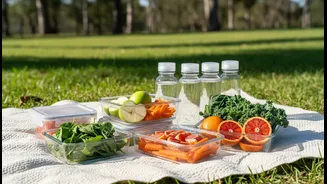
Dehydration can make you feel unwell on its own, but unsafe water is a primary cause of travel-related sickness. Always stick to sealed, bottled water from reputable brands. Before buying, check that the seal is intact to ensure it hasn't been refilled with tap water. It’s a good practice to carry your own water bottle and refill it with sealed water to reduce plastic waste. Avoid ice in beverages from vendors, as you can't be sure about the water source used to make it. Packaged tetra-pack juices and milk are also safe alternatives to stay hydrated.
Hand Hygiene Is Non-Negotiable
One of the simplest yet most effective ways to prevent illness is to keep your hands clean. Trains and stations are public spaces with countless surfaces touched by many people. Wash your hands with soap and water whenever possible, especially before eating. If soap and water aren't readily available, a good quality alcohol-based hand sanitiser is an essential item for your travel kit. Wiping down your seating area and tray table with a disinfectant wipe before settling in is another small step that can make a big difference.
What to Do If You Feel Unwell
Despite all precautions, you might still end up with an upset stomach. The most common symptoms of food poisoning are nausea, vomiting, stomach cramps, and diarrhoea. The most important thing is to stay hydrated. Sip on water, or even better, an oral rehydration solution (ORS) to replace lost fluids and electrolytes. It’s wise to carry a basic medical kit with ORS sachets and medication for diarrhoea and nausea, though anti-diarrhoea medicine should be used with caution. If you have a high fever, severe abdominal pain, or can't keep any liquids down for an extended period, it’s crucial to seek medical attention at the next major station.