




The Rise of Sippable Skincare
The wellness world is flooded with attractively packaged 'beauty drinks' that promise to enhance your skin from the inside out. These elixirs, often containing ingredients like hydrolysed collagen, hyaluronic acid, biotin, and a cocktail of antioxidants
like vitamins C and E, claim to do everything from reducing wrinkles to boosting your skin’s natural glow. The core idea is that by ingesting these key building blocks, you can support your body's natural processes for maintaining healthy skin, hair, and nails. Unlike topical creams that work on the surface, these drinks aim to deliver nutrients directly into your bloodstream. But with a high price tag and even higher promises, it’s essential to understand what is scientifically proven and what is merely clever marketing.
Confirmed: Improved Skin Hydration and Elasticity
One of the most well-supported claims for beauty drinks revolves around two key ingredients: collagen peptides and hyaluronic acid. Numerous clinical studies have shown that oral collagen supplements can significantly improve skin hydration, elasticity, and firmness. A meta-analysis of 19 studies involving over 1,100 participants found that those taking collagen supplements experienced noticeable improvements in skin moisture and suppleness. Similarly, studies on oral hyaluronic acid supplements show they can increase skin moisture and help reduce dry skin, particularly when taken consistently for at least a month. By improving hydration from within, these ingredients can help give the skin a plumper, more supple appearance.
Confirmed: A Nutrient and Antioxidant Boost
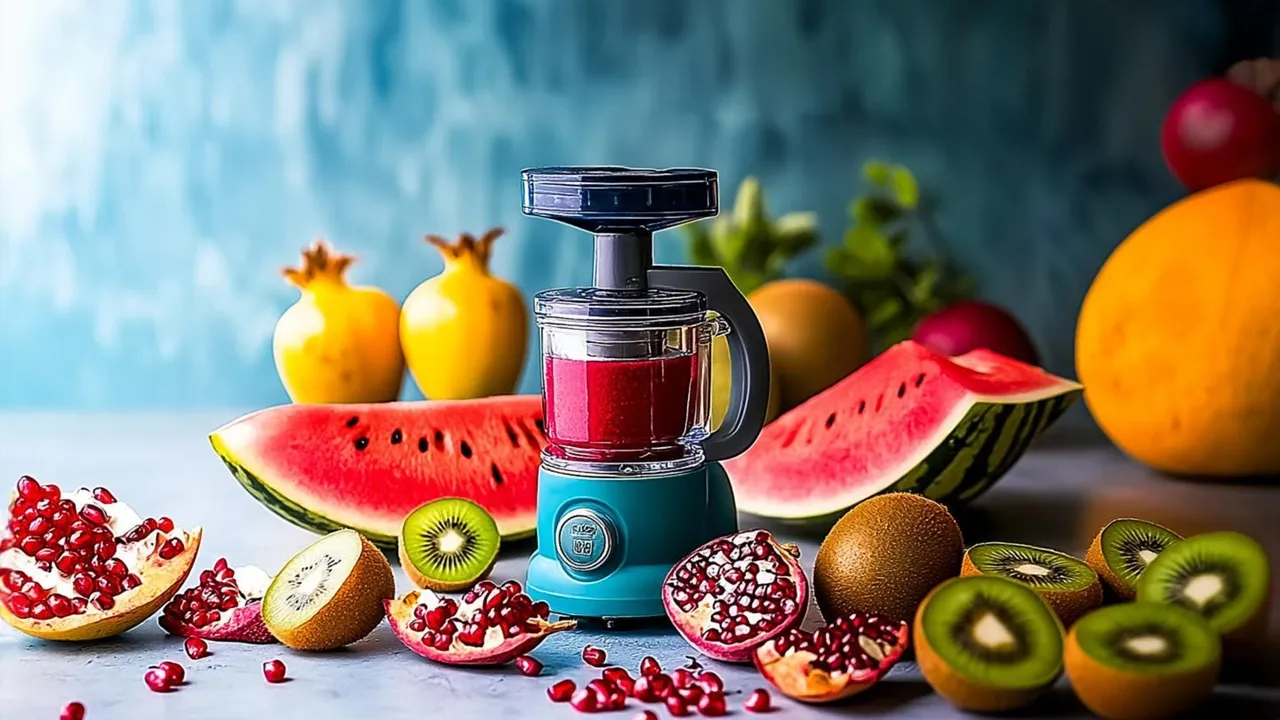
Many beauty drinks are fortified with vitamins and antioxidants that are known to be beneficial for overall skin health. Vitamin C, for example, is a powerful antioxidant that helps protect the skin from damage caused by free radicals from UV rays and pollution. It's also essential for the body's natural collagen production process. Vitamin E is another antioxidant that helps protect skin cells. Other popular additions include green tea, which is rich in antioxidants called catechins, and pomegranate juice, which can help defend skin against oxidative stress. While you can get these nutrients from a balanced diet, these drinks can offer a concentrated dose, supplementing what you might be missing from food alone.
Unclear: Dramatic Wrinkle Reduction
This is where the marketing often outpaces the science. While some studies suggest that consistent use of collagen peptides may reduce the appearance of fine lines and overall skin roughness, they are not a magic eraser for deep wrinkles. Many studies report a reduction in wrinkle depth, but the results are generally described as modest. The dramatic 'before and after' photos used in advertising are often not representative of the average user's experience. Experts caution that while there are benefits for hydration and elasticity, consumers should not expect the same results as they would from dermatological procedures. Proven anti-aging strategies like consistent sunscreen use, a healthy diet, and avoiding smoking remain far more effective for long-term skin health.
Unclear: The Digestion Question
A major point of debate among scientists and dermatologists is how much of these active ingredients actually survives the digestive system to reach the skin. When you ingest a protein like collagen, your digestive enzymes break it down into smaller amino acids. The theory behind hydrolysed collagen peptides is that these smaller fragments are more easily absorbed and can travel through the bloodstream to stimulate fibroblast cells in the skin to produce more collagen. However, there is no conclusive proof that this process works efficiently for everyone, or that the body prioritises sending these building blocks to the skin over other tissues like joints or bones. The efficacy can depend on the specific type of peptide and individual factors like genetics and overall health.
Unclear: The Impact of Sugar and Fillers
Not all beauty drinks are created equal. It's crucial to read the label, as some formulas contain high levels of sugar, sweeteners, and artificial additives to make them more palatable. High sugar intake is known to be detrimental to skin health, as it can damage the collagen and elastin that keep skin firm, leading to premature aging. A drink loaded with sugar could potentially counteract any benefits its active ingredients provide. Furthermore, the lack of regulation in the supplement industry means that the quality and concentration of ingredients can vary wildly between brands. Some products may not contain a high enough dosage of the key ingredients to be effective, making them little more than expensive flavoured water.