




A Sharper, Faster Brain
You might think of dancing as a purely physical activity, but it’s also a powerful workout for your brain. Learning and remembering choreography, from simple line dance steps to complex ballroom patterns, engages your memory and concentration skills.
But the benefits run deeper. The need to make split-second decisions while moving, reacting to music, and coordinating with partners actively stimulates neural pathways. This process, known as neuroplasticity, helps your brain form new connections, potentially improving problem-solving abilities and processing speed. Some studies have even found that dancing is one of the best physical activities for reducing the risk of dementia.
Superior Balance and Stability
Good balance is crucial for everything from walking confidently to preventing falls, and group dancing is an excellent way to improve it. As you dance, you're constantly shifting your weight, performing turns, and holding positions on one leg, all of which challenges and strengthens your core and the smaller muscles responsible for stability. This isn’t just about avoiding a stumble on the dance floor; it's about training your body’s sense of proprioception—its awareness of its position in space. Activities like tai chi and various social dances have been shown to be more effective than simple walking at improving balance and reducing fall risk, especially in older adults.
Healthier, More Lubricated Joints
It’s a common misconception that activities like dancing are hard on the joints. In reality, low-impact dance styles can be incredibly beneficial. The fluid, controlled movements of many dances help lubricate your joints by circulating synovial fluid, which reduces stiffness and can ease discomfort. By strengthening the muscles that surround your joints, dancing provides better support and reduces strain. This makes it an ideal form of exercise for people of all ages and fitness levels, including those managing conditions like arthritis. It offers a way to improve your range of motion and flexibility that feels more like entertainment than a chore.
Enhanced Cardiovascular Endurance
Getting your heart pumping doesn't have to involve a treadmill. Group dancing is a fantastic form of cardiovascular exercise that can improve the health of your heart and lungs. Whether it's the high energy of a salsa class or the sustained movement of a folk dance, keeping up with the rhythm raises your heart rate and boosts circulation. Research has shown that regular, moderate-intensity dancing can significantly lower the risk of dying from cardiovascular disease, in some cases even more so than walking. The social, stress-relieving aspect of group dance also contributes to heart health, making it a powerful and sustainable way to stay fit.
Increased Pain Tolerance
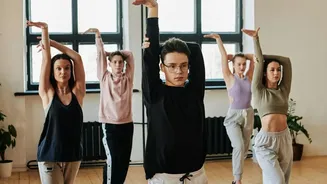
Perhaps one of the most surprising perks of group dancing is its ability to increase your tolerance for pain. This benefit comes from a powerful combination of physical and social factors. The physical exertion of dancing releases endorphins, which are the body's natural painkillers and mood elevators. But when you dance in a group, something else happens: the shared experience and synchronized movements can foster a deep sense of connection and belonging. This social bonding, combined with the endorphin rush, has been shown to be effective at increasing our pain threshold. It’s a clear example of how the joy and community of dancing can have a direct and measurable effect on our physical resilience.