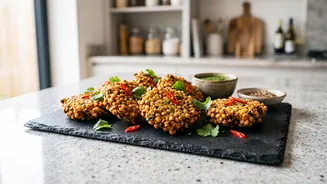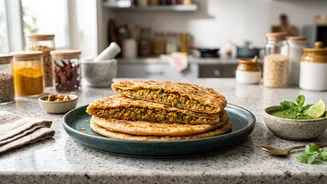

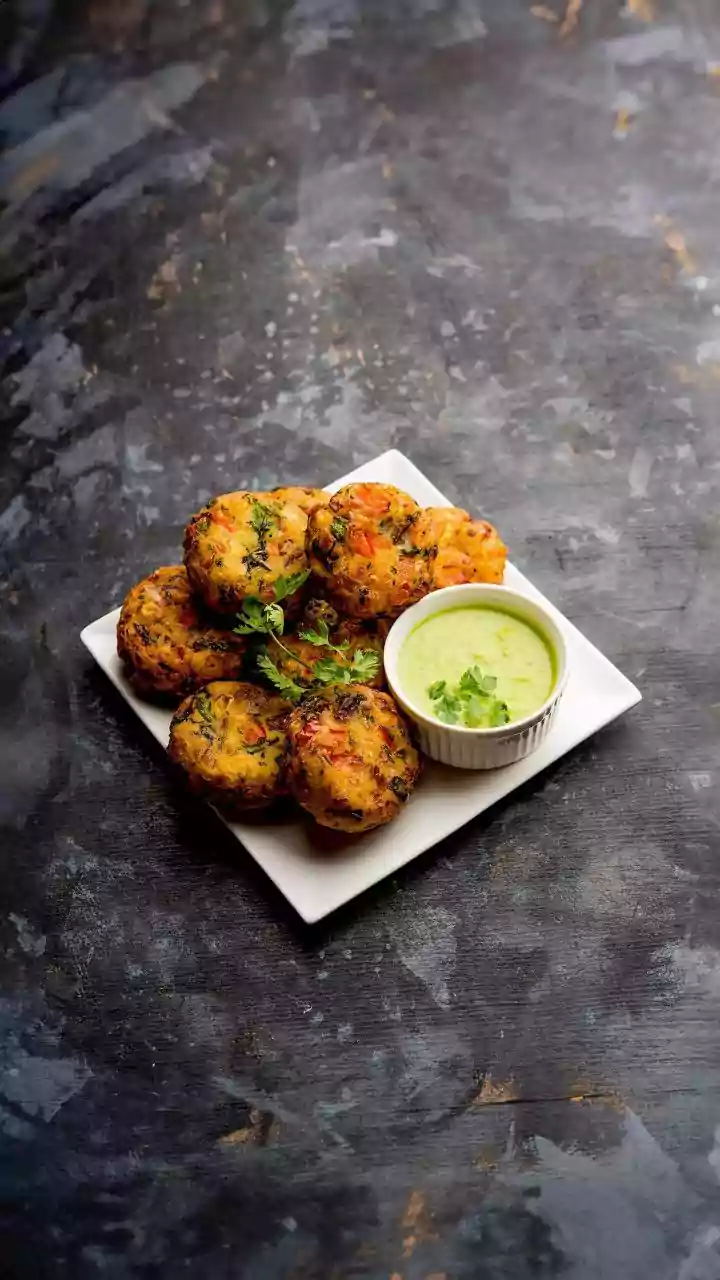

Moong dal is a titan of the Indian pantry, a versatile lentil that stars in everything from simple dals to rich desserts. But beyond the familiar, there's a world of recipes waiting, like the delicious and wholesome Gujarati Handvo.
Discovering Handvo: A Gujarati Classic
Handvo is a traditional
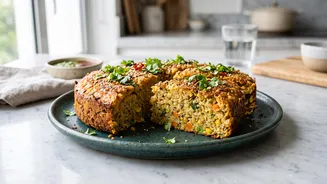
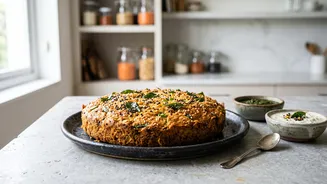
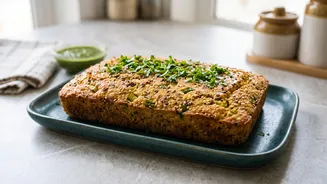
savoury cake from Gujarat, known for its incredible texture—crispy and golden on the outside, yet soft and spongy within. Unlike a simple dal, Handvo is a baked or pan-fried dish made from a fermented batter of lentils and sometimes rice, packed with vegetables and aromatic spices. Traditionally, the batter includes a mix of dals, but a moong dal-only version offers a lighter, quicker, and equally delicious alternative that is high in protein. It’s a complete and satisfying dish often enjoyed for breakfast, as a tea-time snack, or even as a light meal, usually served with a side of chutney or simply a bit of oil.
The Nutritional Power of Moong Dal
The reason moong dal works so beautifully in Handvo and other dishes is its incredible nutritional profile and culinary flexibility. It is recognised as one of the easiest pulses to digest and is packed with high-quality protein, essential for building and repairing tissues. A single cup contains a significant amount of dietary fibre, which aids digestion and helps maintain steady blood sugar levels, making it an excellent choice for a balanced diet. Rich in minerals like potassium, iron, and magnesium, as well as B-complex vitamins, moong dal contributes to everything from heart health to improved energy levels. Its mild flavour also makes it a perfect canvas for the bold spices used in Indian cooking.
How to Make Moong Dal Handvo at Home
Making this dish at home is a rewarding process. While traditional recipes involve a lengthy fermentation of mixed lentils and rice, this quicker version using just moong dal delivers fantastic results. The core steps involve soaking the dal, grinding it into a batter, adding vegetables and leavening agents, and then cooking it in a pan until perfectly browned. You can use either yellow or green moong dal, though green moong dal is a common choice. The addition of vegetables like grated bottle gourd (lauki) or carrots not only boosts the nutritional content but also ensures the Handvo stays moist and soft.
The Essential Ingredients and Batter
To start, you will need about one cup of moong dal, soaked for at least 3–4 hours. This is then ground with ginger and garlic into a thick paste without adding extra water. To this paste, you'll mix in grated vegetables like lauki and carrots, chopped green chillies, and fresh coriander. To give the Handvo its characteristic fluffy texture, semolina (rava) and gram flour (besan) are often added. For leavening, a teaspoon of fruit salt (like Eno) or a pinch of baking soda is mixed in just before cooking, which helps the batter become light and airy.
Cooking to Crispy Perfection
Handvo can be cooked in a special Handvo cooker, a regular oven, or most commonly, in a deep pan (kadhai) on the stovetop. The process starts with a flavourful tempering, or 'tadka'. Heat oil in the pan and add mustard seeds, sesame seeds, curry leaves, and a pinch of asafoetida (hing). Once the seeds start to crackle, pour the prepared batter into the pan, spreading it evenly. Cover and cook on a low to medium flame for 12–15 minutes, until the bottom is golden brown and crisp. Carefully flip it over and cook the other side for another 5–7 minutes until it’s cooked through. A skewer inserted into the centre should come out clean.
Beyond Handvo: The Versatility of Moong Dal
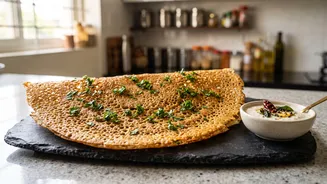
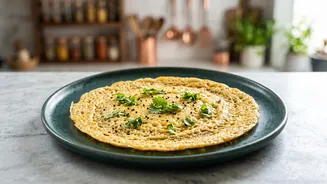
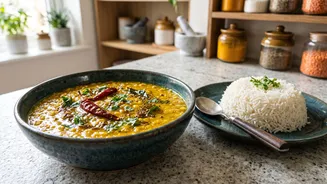
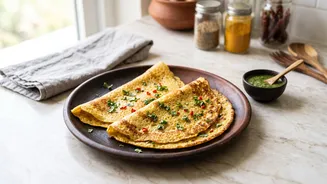
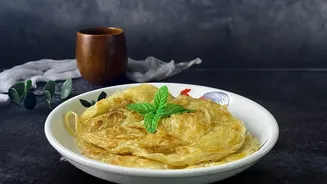
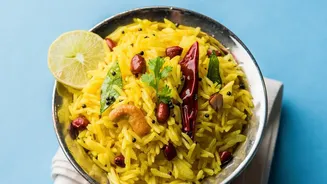
While Handvo is a brilliant way to enjoy moong dal, this humble lentil's utility doesn't end there. It's the star in countless other Indian dishes. Moong dal cheela, a savoury pancake, is a popular and healthy breakfast across North India. The comforting Moong Dal Tadka, a simple soupy dal finished with a sizzle of spices in ghee, is a staple meal served with rice. For a more substantial meal, Khichdi combines rice and moong dal into a wholesome, easily digestible one‑pot dish. And on the sweeter side, Moong Dal Payasam is a creamy dessert popular in South India. Each recipe showcases a different facet of this incredible ingredient.