






From Royal to Relatable
For centuries, gold leaf was the ultimate symbol of wealth and power, lavishly applied to everything from church domes to royal furniture. The goal was to dazzle and impress. The modern take, however, has evolved from ostentatious displays to a more personal
and refined expression of luxury. Interior designers now view gold leaf not as a way to shout status, but as a tool to add warmth, reflect light, and introduce a unique, handcrafted texture into a space. Instead of competing with other materials, it’s used to subtly enhance them, creating interiors that feel warm and inviting rather than flashy. This shift reflects a broader trend towards “quiet luxury,” where quality craftsmanship and thoughtful details are valued more than superficial grandeur.
The Art of Subtle Application
So, how is this new restraint being practiced? It's less about what you gild and more about where you gild it. Instead of covering entire walls, designers are using gold leaf sparingly to create sophisticated focal points. Think of it accenting an architectural niche, the inside of a lampshade, or a border on the ceiling. This approach allows the gold to interact with light and texture in a dynamic way. One popular technique is highlighting specific architectural details, like a door frame or a ceiling medallion, turning a simple feature into a statement piece. In furniture, you might see it on the inside of a cabinet or just on the legs of a coffee table, making a statement without overwhelming the room.
Perfect Material Pairings
The secret to making gold leaf feel modern and grounded lies in what you pair it with. The contrast between the luxe shimmer of gold and raw, organic materials is central to this trend. Designers are pairing gold leaf with lime plaster, natural wood, and even concrete to create a look that is both sophisticated and earthy. It also works beautifully with whites, beiges, greys, and warm, earthy tones like clay and taupe, which serve as a perfect foundation for gold accents to glow. The combination of gold with rich textures like plush velvet, natural stone, or linen creates a layered, tactile environment that feels both luxurious and liveable.
A Touch of Gold in Every Room
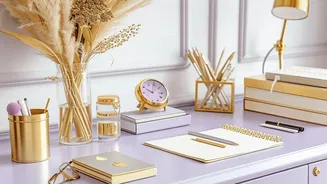
The versatility of this restrained approach means gold leaf is no longer confined to the living room or dining room. In the kitchen, gold hardware on cabinets or a delicate gold-leaf pattern on a backsplash can add a touch of glamour. In a bathroom, gilding the wall behind a mirror can create a warm, reflective glow. Even a home office can benefit from small gilded accessories like picture frames or trays to elevate the space. Designers often follow a 'rule of three,' using three distinct points of gold in a room—perhaps a lamp, a frame, and a decorative bowl—to create a cohesive and deliberate metallic thread without overdoing it.
Making the Trend Your Own
Perhaps the most appealing aspect of this trend is its accessibility. You don’t need to hire a master artisan to bring a touch of gold into your home. DIY gold-leafing kits are widely available and can be used for smaller projects. Consider updating an old mirror with a gilded frame, applying gold leaf to the inside of a decorative bowl, or adding delicate accents to a plain piece of furniture. These small, handcrafted touches can breathe new life into forgotten objects and allow you to experiment with the trend on your own terms. It's an affordable way to add a bespoke, elegant detail to your decor.