




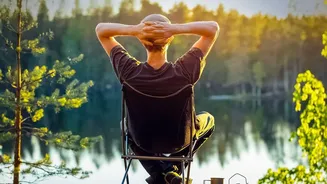
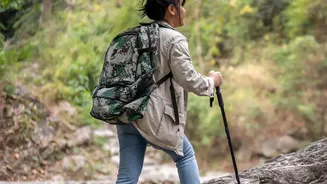
The great Indian holiday is changing. Gone are the days of saving up for one long annual vacation. New data shows a major shift towards shorter, more frequent trips and a surprising new priority: finding a tribe to travel with.
The Search for a Travel Tribe
The way Indians travel is
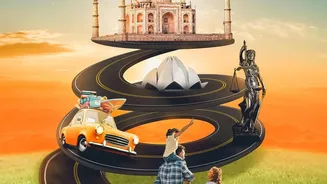
transforming from a solitary or family-centric activity into a shared, community-based experience. A recent Google Trends report published on November 23, 2026, put a number to this shift, revealing that searches for 'travel community' have surged by a massive 400% over the past year. This isn't just a niche trend; it signals a fundamental change in what travellers are looking for. Instead of just a destination, people are searching for connection. These communities bring together like-minded individuals, whether they are solo adventurers, trekkers, foodies, or wellness seekers, allowing them to share costs, ensure safety, and, most importantly, share the experience. The rise of solo travel, with breakout search queries for 'solo travel guide' and 'best places to travel solo', is happening in parallel with this quest for community, suggesting that independence doesn't have to mean isolation.
Why Community is the New Compass
Several factors are driving this move towards collective travel. For a growing number of solo travellers, including many women, joining a group offers a layer of security while retaining a sense of independence. But beyond safety, the appeal lies in expertise and shared passion. Instead of planning every detail themselves, travellers can join curated trips focused on specific interests like hiking or music festivals, with searches for both categories showing significant growth. This trend also aligns with a broader desire for more authentic and immersive experiences. Rather than ticking off landmarks from a checklist, people want to connect with local culture and like-minded individuals. Travel communities facilitate this by creating small, engaged groups that can explore a destination more deeply than a tourist on a whirlwind tour.
The Rise of the Micro-Cation
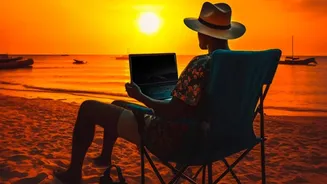
The second major trend identified by Google is the pivot to shorter holidays. Searches for '1 day trip near me' jumped 130% over the past year, with Maharashtra leading the interest. This move towards 'micro-cations'—short, purposeful trips of one to three nights—is a direct response to modern work life. With demanding schedules and the feeling of being perpetually online, many find it easier to take multiple short breaks rather than one long, hard-to-plan vacation. These quick getaways, from weekend escapes to spontaneous single-day trips, are seen as more restorative and manageable. They fit neatly into a busy calendar, providing a regular rhythm of rest and reset without the logistical heavy lifting of a two-week holiday.
From Sightseeing to 'Feeling'
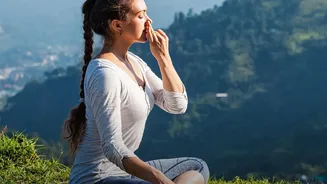
Underlying both these trends is a profound shift in traveller motivation. The focus is moving away from simply seeing more to feeling more. According to a Hilton report, 86% of Indian travellers say travel helps them recharge mentally and physically in ways they can't at home. This is reflected in the astronomical 1,600% surge in searches for 'wellness travel India'. People are actively seeking experiences that offer peace and quiet, with searches for 'silent retreat' also climbing 150%. Travellers are tired of rushed itineraries and crowded landmarks. Instead, they are looking for slower, more intentional journeys that prioritise relaxation and personal growth over checklists. This is also evident in the 400% rise for 'hidden gems India', showing a clear desire to escape the crowds and discover something new.