



A Taste of India in Orbit
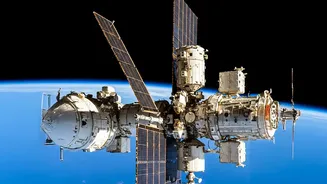
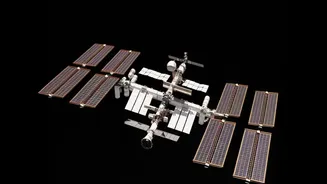
When astronaut Shubhanshu Shukla flew to the International Space Station (ISS) as part of the Axiom-4 mission in 2025, he brought a unique taste of home. Tucked alongside the standard mission supplies were specially prepared Indian dishes developed by
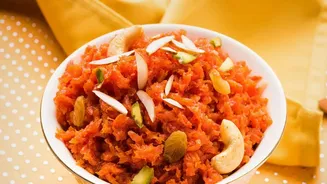
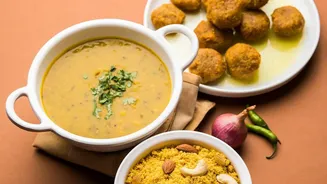
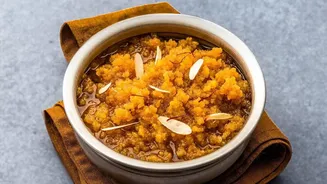
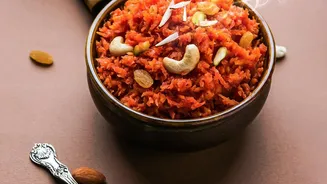
the Defence Research and Development Organisation (DRDO). However, a recent interview revealed a surprising detail: Shukla himself never got to eat them. The menu, which included sweets like Gajar Ka Halwa, Moong Dal Halwa, and Aamras (mango nectar), was shared with his international crewmates, who reportedly enjoyed them immensely. Shukla explained that sharing the food was a great way to bond in space, but the anecdote left many wondering why the Indian astronaut missed out on the Indian food.
The Science Behind the Spice
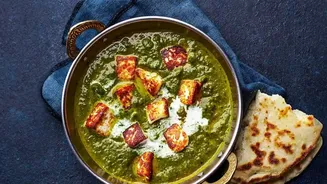
Creating food for space is a monumental task that goes far beyond just cooking. The Mysuru-based Defence Food Research Laboratory (DFRL), a DRDO lab, is responsible for designing the menu for India's upcoming Gaganyaan mission. These scientists face immense challenges. Food must be nutritious, have a long shelf life without refrigeration, and be safe to consume in a zero-gravity environment. Crumbs, for instance, are a serious hazard, as they can float into and damage sensitive equipment, which is why bread is typically not on the menu. Meals are often freeze-dried or thermostabilized and packed in special containers that allow for rehydration with a 'water gun' without spillage. The food for Gaganyaan astronauts will be mildly spiced, with optional sachets for those who prefer more heat.
A Crucial Culinary Test
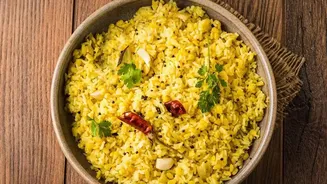
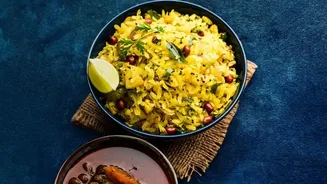
So why did these dishes fly with Shukla on an international mission? The Axiom-4 flight served as a crucial test run. Sending the food to the ISS was a way to get it certified for spaceflight. Before any food can be officially approved for a mission like Gaganyaan, it must pass a battery of rigorous tests to ensure it meets the strict safety and stability standards of space travel. The DFRL had prepared a much larger menu, including savoury items like khichdi and pulao. However, according to Shukla, time was a major constraint. Only the three sweet dishes—Gajar Ka Halwa, Moong Dal Ka Halwa, and Aamras—managed to complete all the necessary qualification tests before the launch deadline.
India's Astronauts in Waiting
Group Captain Shubhanshu Shukla is one of four astronauts selected for India's ambitious Gaganyaan program, the nation's first human spaceflight mission. Alongside Group Captains Prasanth Balakrishnan Nair, Ajit Krishnan, and Angad Pratap, he has undergone extensive training in Russia and at ISRO's own facilities in Bengaluru. Their preparation is a multi-year process covering everything from spacecraft operations to survival skills. While Shukla's flight on Axiom-4 made him the first Indian on the ISS, it was part of a collaboration with NASA and Axiom Space, separate from the indigenous Gaganyaan mission. The Gaganyaan crew continues to train, preparing for the day they will launch from Indian soil in an Indian spacecraft.
So, Why No Halwa for Shukla?
The reason Shukla didn't eat the Indian food is a simple matter of logistics and camaraderie. He explained in a podcast that all three items were shared among his crewmates. With only a limited quantity of the specially certified food on board, it was treated as a unique item for the whole crew to sample. The gesture served as a moment of cultural exchange. While he missed out on the halwa, Shukla later recalled craving salty and spicy Indian flavours about two weeks into his mission—a common experience as microgravity can dull the sense of taste and smell. His wish was granted upon his return to Earth, where he was greeted with banana chips and bhakarwadi, providing valuable feedback for DFRL as they refine the menu for future Gaganyaan astronauts.