


Planning Your Drive
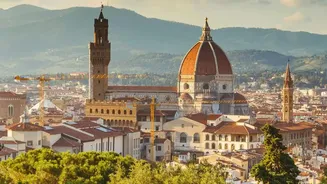
A successful Tuscan road trip begins with smart planning. Renting a car is essential, and it’s often cheaper and easier to pick up your vehicle at Florence's airport rather than downtown. This allows you to bypass the city's confusing and heavily restricted
traffic zones (Zona Traffico Limitato or ZTL). If you are not a European Union resident, you will need an International Driving Permit alongside your native license. When booking, opt for the smallest car that will comfortably fit your party and luggage, as rural roads can be narrow. The best times to go are in the spring (May-June) or fall (September-October) when the weather is pleasant and the tourist crowds are thinner than in the peak summer months.
The Chiantigiana Road: An Iconic Route
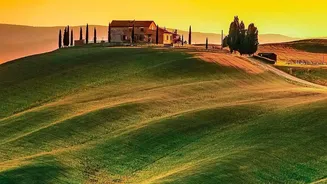
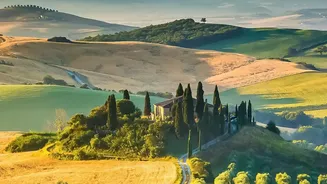
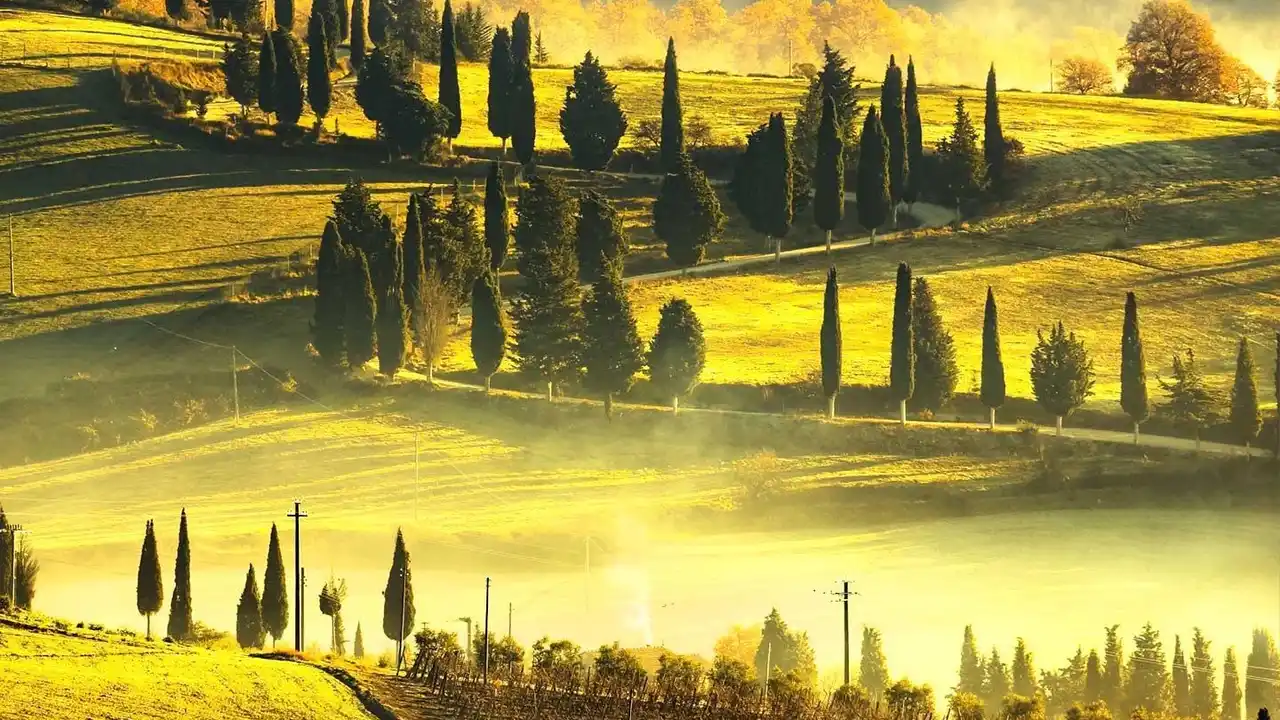
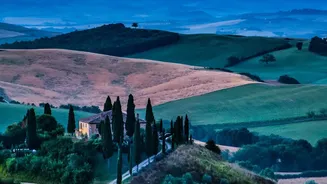
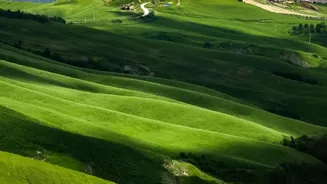
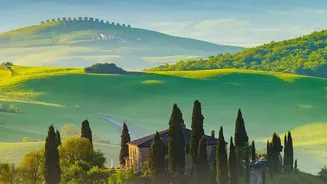
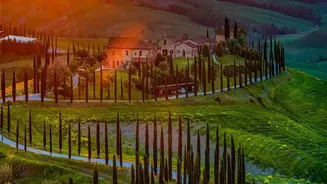
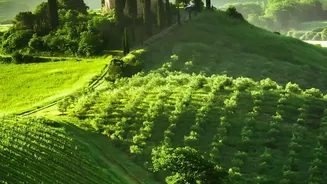
Forget the main highway. The journey from Florence to Siena is best made on the Strada Regionale 222 (SR222), famously known as the Chiantigiana. This historic road winds its way through the heart of the Chianti Classico wine region, offering the quintessential Tuscan landscape of rolling hills, cypress-lined avenues, and ancient olive groves. The drive itself takes about 90 minutes without stops, but its true purpose is to encourage leisurely exploration. Plan for a full day to truly savour the experience, allowing for spontaneous stops at wineries and scenic viewpoints.
First Stop: Greve in Chianti
Considered the gateway to the Chianti region, Greve is an ideal first stop after leaving Florence. The town is built around the unique, triangular-shaped Piazza Matteotti, a bustling market square framed by arcaded walkways. Here you can find artisan shops, cafes, and historic butcheries like the Antica Macelleria Falorni. It’s a perfect place for a morning coffee and to soak in the local atmosphere before venturing deeper into wine country. The town holds a popular market on Saturdays.
Heart of the Vineyards: Panzano and Castellina
Continuing south on the SR222, the village of Panzano sits perfectly halfway between Florence and Siena. It's renowned for its panoramic views and as the home of Dario Cecchini, a world-famous butcher whose restaurants are a pilgrimage for food lovers. Just a bit further lies Castellina in Chianti, a charming hilltop town with Etruscan roots. A must-do is a walk along the Via delle Volte, a covered medieval street that offers a unique perspective of the town's ancient fortifications and views of the surrounding landscape.
A Medieval Fortress: Monteriggioni
As you near Siena, a slight detour brings you to the incredible walled fortress of Monteriggioni. Encircled by perfectly preserved 13th-century walls and 14 towers, this tiny village feels like a step back in time. You can walk along a portion of the walls for breathtaking views of the Tuscan countryside. Its historical significance is so great that it was even mentioned by Dante in his "Divine Comedy". It's a quick but unforgettable stop that perfectly illustrates the region's rich history.
Arriving in Siena
The final leg of your journey concludes in Siena, another city with a strict ZTL protecting its historic core. The best strategy is to park in one of the designated car parks on the city's outskirts and walk or take a short bus ride into the centre. This approach saves you the stress of navigating narrow streets and avoiding hefty fines. After a day spent meandering through the countryside, arriving in the magnificent Piazza del Campo on foot feels like the perfect reward, completing a journey that connects two of Italy's greatest cities through the landscapes that define them.