
Why Protein is a Priority
Protein is an essential macronutrient that acts as the building block for your body. It's crucial for repairing tissues, building muscle, and supporting everything from your immune system to your hair and skin. A common misconception is that vegetarian
diets lack sufficient protein, but with a little planning, you can easily meet your daily needs. The goal isn't just to find protein, but to build meals around high-protein vegetarian foods that keep you full and energised.
Your Daily Protein Playbook
So, how much do you need? A general guideline for the average adult is about 0.8 grams of protein per kilogram of body weight. This means a person weighing 68 kilograms needs around 54 grams daily. However, your individual needs can vary based on your age and activity level. Active individuals may require more, from 1.2 to 2.0 grams per kilogram. Rather than getting bogged down by numbers, a simpler approach is to ensure a good protein source is the star of every meal.
India's Protein Powerhouses
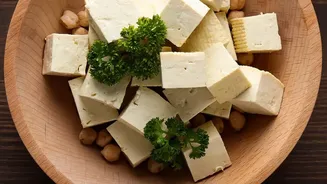
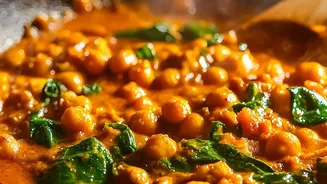
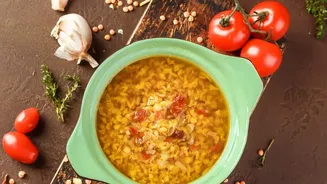
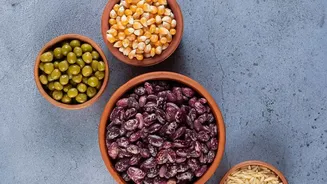
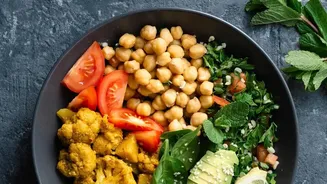
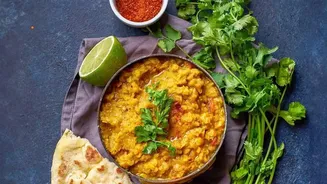
The Indian kitchen is already a treasure trove of high-protein vegetarian foods. Lentils (dal) are a daily staple for a reason, with one cooked cup offering about 18 grams of protein. Chickpeas (chana), kidney beans (rajma), and black-eyed peas (lobia) are close behind, each packing around 13-15 grams per cup. Paneer is another fantastic option, providing roughly 18 grams per 100g serving. Don't overlook Greek yogurt (hung curd), which has nearly double the protein of regular yogurt, or staples like tofu, nuts, and seeds.
The 'Complete Protein' Myth
You might have heard about 'complete' versus 'incomplete' proteins. A complete protein contains all nine essential amino acids your body can't make on its own. While many animal products are complete proteins, most plant foods are 'incomplete', meaning they are low in one or more essential amino acids. But this isn't a cause for concern. The old rule of needing to combine specific foods in one meal has been debunked. Your body can store and combine amino acids from foods eaten throughout the day. Classic Indian pairings like dal with rice or rajma with roti naturally form a complete protein profile, a practice already embedded in our food culture.
Strategies for a Protein-Rich Plate
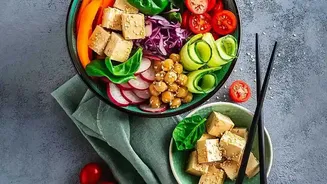
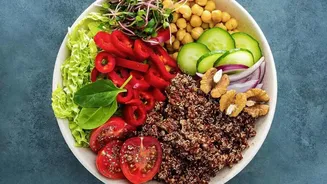
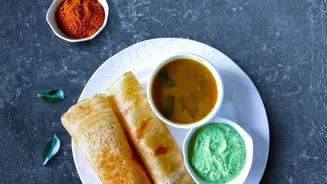
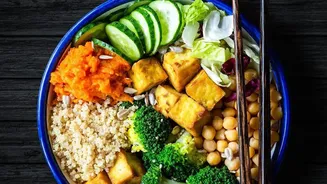
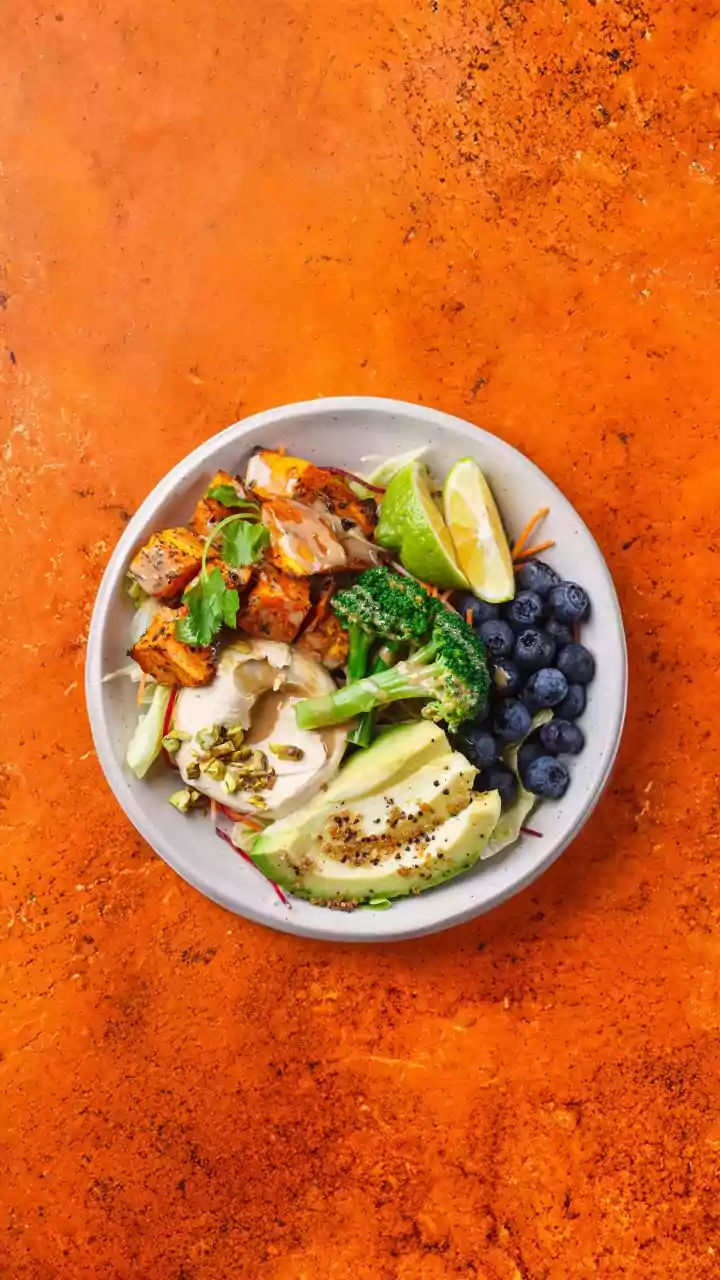
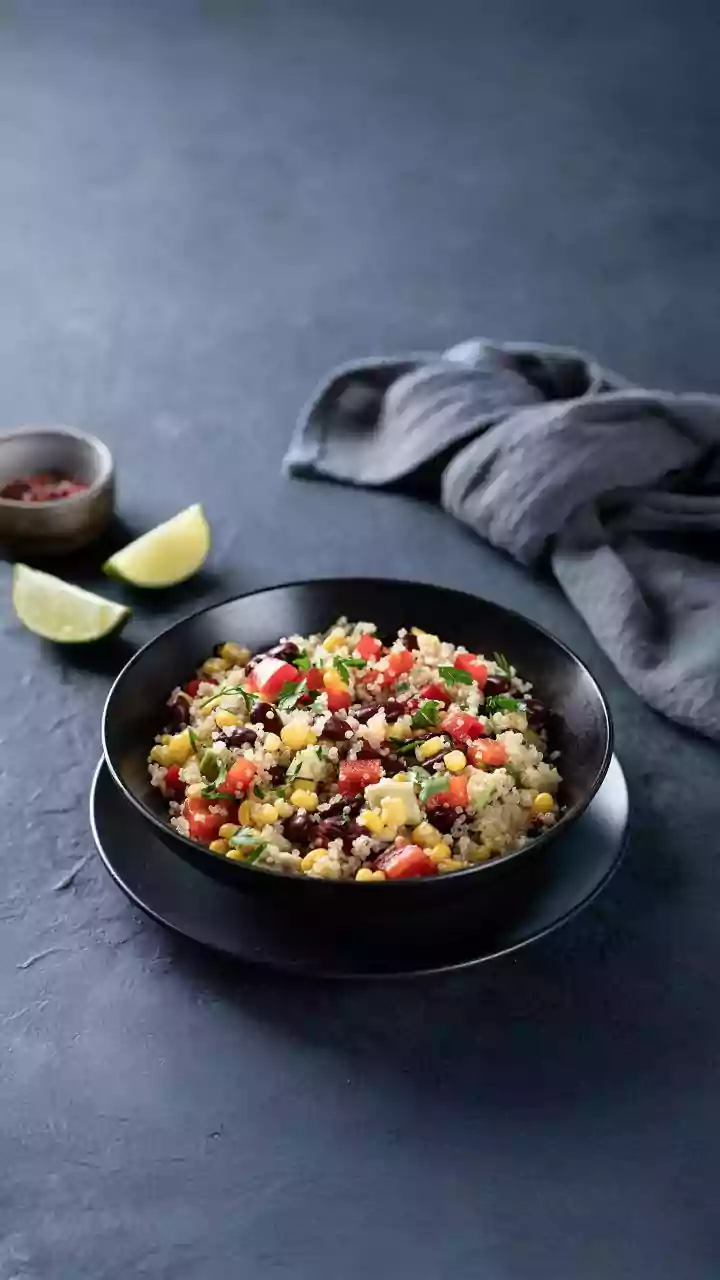
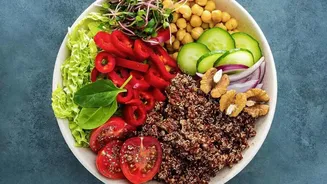
Building a better vegetarian plate is about smart strategy, not stress. Start your day strong with a protein-heavy breakfast like a moong dal chilla or paneer bhurji. For lunch and dinner, make legumes, tofu, or paneer the main event rather than a side dish. Smart snacking is also key; a handful of almonds, roasted chana, or a serving of Greek yogurt can significantly boost your daily intake. Incorporate whole grains like quinoa, which is a complete protein itself, and a variety of seeds like chia and hemp to round out your meals.