






The Protein Powerhouse Effect
Protein is a crucial component for satiety, the feeling of fullness and satisfaction that helps prevent overeating. Beans and lentils are exceptional plant-based sources of this nutrient. A single cooked cup of lentils can provide around 18 grams of protein,
while a cup of black beans or chickpeas offers about 15 grams. This is significant when you consider that protein takes longer to digest than carbohydrates, helping to keep you feeling full for hours. Including a serving of these legumes in a meal provides the building blocks your body needs for muscle repair and tissue maintenance while also effectively turning down the volume on hunger signals. Some studies have even shown that meals based on legumes can be more satisfying than those based on meat with the same calorie count.
The Fiber Factor for Fullness
Beyond protein, the high fiber content in beans and lentils is a game-changer for a filling diet. Most adults don't get enough daily fiber, but just half a cup of cooked beans can deliver around 7 to 8 grams, a significant portion of your daily needs. This fiber is typically a mix of two types. Insoluble fiber adds bulk to your digestive system, which aids regularity. Soluble fiber, on the other hand, dissolves in water to form a gel-like substance in your gut. This gel slows down digestion, which is a primary reason you feel full long after eating a bean-rich meal. This slow-moving digestive process prevents the rapid energy crashes and cravings that often follow meals high in refined starches.
The Secret to Slow-Burn Energy
The feeling of being full is also closely tied to blood sugar stability. Foods that cause a rapid spike and subsequent crash in blood sugar can leave you feeling hungry again shortly after eating. Beans and lentils have a low glycemic index (GI), meaning they release their energy slowly and steadily into your bloodstream. This is due to their complex carbohydrates and high fiber content, which slow the absorption of sugar. This prevents the sharp peaks and valleys in energy levels, leading to sustained energy and a longer-lasting feeling of satiety. This effect is so reliable that some research shows eating beans with one meal can even help regulate your blood sugar response at the next meal, hours later.
More Than Just Filling
While their ability to promote fullness is a major draw, beans and lentils are also packed with other essential micronutrients. They are excellent sources of iron, which helps fight fatigue, as well as folate, magnesium, and potassium, which are crucial for everything from heart health to nerve function. This nutrient density makes them a true superfood, supporting overall health while also aiding in weight management. Studies have linked regular consumption of beans with lower body weight and a smaller waist circumference, likely due to the powerful combination of protein and fiber that keeps you satisfied with fewer calories.
Easy Ways to Eat More Legumes
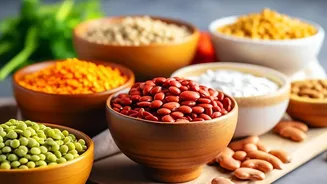
Incorporating beans and lentils into your diet doesn't have to be complicated. Start small by adding a scoop of chickpeas to your salad or blending white beans into a smoothie for a creamy, fibrous boost. Red lentils dissolve beautifully into soups and tomato-based sauces, thickening them while adding a punch of protein. Black beans can be mixed with rice, folded into omelets, or used as a base for vegetarian burgers and tacos. Even snacks can get an upgrade; try roasting chickpeas with your favourite spices for a crunchy, satisfying alternative to chips. Using canned beans is a convenient starting point—just be sure to rinse them to remove excess sodium.