







The Science Behind the Spice
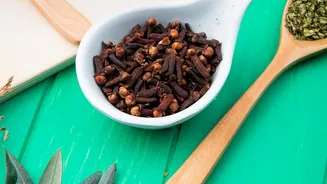
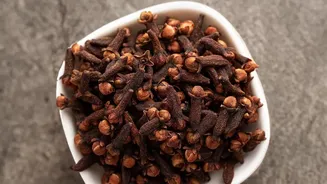
The secret to clove’s commanding presence is a natural compound called eugenol. This molecule is responsible for the intense, warm, sweet, and slightly peppery flavor that makes cloves so distinctive. Eugenol makes up a significant portion of clove's
essential oil, which is why even a tiny pinch of ground cloves can deliver a huge impact on both aroma and taste. In fact, its flavor is so concentrated that it can even create a slight numbing sensation on the tongue. Understanding this potency is the first step to using it wisely in your kitchen. Unlike milder spices, ground clove isn't meant to be a background note; it's a spice that announces itself with authority.
A Little Goes a Long Way
When a recipe calls for cloves, precision is your best friend. Because ground cloves have a much stronger and more immediate flavor than whole ones, it's easy to go overboard. A general rule of thumb for many baking recipes, like gingerbread or spice cookies, is to start with just 1/4 teaspoon of ground cloves for every two cups of flour. For dishes where you want a subtle warmth, like an apple pie or pumpkin bread, you might even start with a pinch (about 1/8 teaspoon). It’s always easier to add a little more than to try and fix a dish that tastes overwhelmingly of clove. If you're unsure, measure conservatively. You can always adjust the next time you make the recipe. Remember that pre-ground cloves can lose their potency over time, while grinding whole cloves just before use will provide the freshest, most intense flavor.
Perfect Pairings to Balance the Power
Ground clove rarely works alone in baking; it shines brightest as part of an ensemble. Its intensity is beautifully balanced by other warm spices. Classic partners include cinnamon, nutmeg, ginger, and allspice. These spices share similar warm and sweet characteristics but help to round out clove's sharp edges. Think of the classic pumpkin pie spice blend or gingerbread; clove provides the deep, pungent anchor while cinnamon adds sweetness and ginger brings a zesty heat. Beyond the usual suspects, clove also pairs surprisingly well with citrus, especially orange, which can brighten its deep notes. In savory applications, it works with cumin, coriander, and black pepper. By combining it with other spices, you create a more complex and harmonious flavor profile where clove enhances rather than dominates.
Beyond the Holiday Cookie Tin
While we often associate ground cloves with holiday treats like gingerbread and mulled wine, its uses extend far beyond the winter months. A small amount can add incredible depth to everyday baking. Try adding a pinch to your next batch of apple crumble, banana bread, or carrot cake to introduce a new layer of warmth. It can elevate oatmeal cookies from simple to sophisticated and add a surprising twist to chocolate-based desserts. Don't be afraid to experiment with fruit-forward recipes; a touch of clove in a pear tart or a plum coffee cake can complement the sweetness of the fruit beautifully. It is also a key ingredient in many savory spice blends like garam masala and Chinese five-spice, showcasing its versatility outside of the dessert world.
Help! I Added Too Much Clove
It happens to the best of us. You've been a bit heavy-handed, and now your dish tastes more like a dental anesthetic than a delicious bake. Don't panic; there are ways to salvage your creation. The most effective method is dilution: if possible, make a second, clove-free batch of your recipe and combine the two. This will effectively cut the clove concentration in half. If that's not an option, you can try to counterbalance the flavor. Adding a sweetener like sugar, honey, or maple syrup can help counteract the bitterness of too much clove. Dairy products like milk or cream can also help mellow out the flavor. For some recipes, incorporating an acidic ingredient like lemon juice might also help cut through the intensity. While these fixes aren't foolproof, they can often rescue a dish from being overpowering.