






The Nearly Indestructible Snake Plant
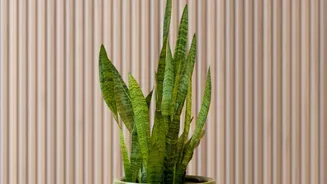
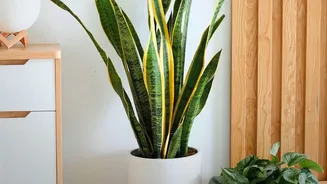
The Snake Plant, or Dracaena trifasciata, is famous for its resilience and striking, sword-like leaves. Its architectural shape adds a modern touch to any room. This plant is a top choice for beginners or busy individuals because it thrives on neglect.
It tolerates a wide range of conditions, from low light to bright, indirect sunlight, and can go for weeks without water. What makes it truly special is its ability to release oxygen at night, unlike most plants, making it a fantastic companion for the bedroom.
Caring For Your Snake Plant
Caring for a Snake Plant is refreshingly simple. The biggest mistake is overwatering, which can lead to root rot. It's best to let the soil dry out completely between waterings—this might mean watering only every two to three weeks. A well-draining soil mix, like one for cacti or succulents, is ideal to prevent water from logging the roots. Snake Plants are not heavy feeders; a half-strength balanced fertiliser once or twice during the spring and summer is plenty. They also tolerate average indoor humidity and temperatures. Wiping the leaves with a damp cloth occasionally will keep them dust-free and looking their best.
The Elegant Peace Lily
The Peace Lily, or Spathiphyllum, is loved for its glossy, dark green leaves and beautiful white blooms, which are actually a modified leaf called a spathe. It brings a touch of grace to any space. While not as tough as the Snake Plant, the Peace Lily is still quite beginner-friendly and has the advantage of being very communicative. When it's thirsty, its leaves will droop dramatically, giving you a clear visual cue that it's time to water. It is also known for its air-purifying qualities, effectively removing common household toxins like ammonia and benzene from the air.
Caring For Your Peace Lily
To keep a Peace Lily happy, provide it with consistently moist, but not soggy, soil. A good rule of thumb is to water it about once a week, or whenever the top inch of soil feels dry. It thrives in bright, indirect light but can tolerate lower light levels, though it may not flower as much in the shade. Direct sunlight should be avoided as it can scorch the leaves. Being a tropical plant, it appreciates higher humidity, making it a great choice for kitchens or bathrooms. You can also mist its leaves every few days to keep it hydrated.
Which Plant Is Right for You?
If you are a frequent traveller, prone to forgetting to water plants, or want a plant for a low-light corner, the Snake Plant is your perfect match due to its extreme hardiness. If you prefer a plant that offers elegant flowers, provides visual feedback on its needs, and helps to increase humidity, the Peace Lily is an excellent choice. Many plant enthusiasts choose to keep both, enjoying the Snake Plant's air-cleaning night shift in the bedroom and the Peace Lily's graceful presence in a living area.
An Important Note on Pet Safety
While both plants offer numerous benefits, it's crucial for pet owners to know that both Snake Plants and Peace Lilies are toxic to cats and dogs if ingested. Chewing on a Peace Lily can cause significant oral irritation, drooling, and vomiting. Ingesting a Snake Plant can lead to nausea, vomiting, and diarrhoea. If you have curious pets, it's essential to place these plants well out of their reach to ensure a safe and happy home for everyone.