



Sweet Potato (Shakarkandi)
Often enjoyed roasted as a street-side snack, the sweet potato is a fantastic addition to liquid dishes. Its inherent sweetness provides a wonderful balance to the spicy and savoury notes common in Indian cuisine. When cooked and blended, it breaks down
into a luscious, creamy texture, acting as a natural thickener for soups and stews without the need for flour or cornstarch. A simple shakarkandi and ginger shorba can be a comforting meal, while adding cubes of it to your sambar or dal can introduce a delightful sweetness and a heavier body. Nutritionally, sweet potatoes are a powerhouse of Vitamin A and dietary fibre, making your comforting meal even healthier. Roasting them before adding to the soup can intensify their sweet flavour even more.
Beetroot (Chukandar)
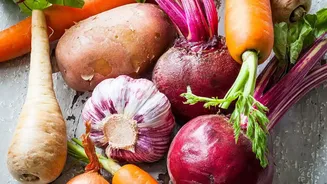
Known for its vibrant, deep red colour, beetroot lends a stunning visual appeal to any dish it graces. But its benefits are more than skin deep. It has a unique earthy and sweet flavour that pairs beautifully with tangy ingredients like tomato and ginger. A blended beetroot soup, or 'chukandar ka shorba', is a classic for a reason—it’s both delicious and incredibly healthy. When using it in a stew with other vegetables, it imparts its gorgeous colour and a subtle sweetness that complements the heartier flavours. Beetroots are packed with essential nutrients, including folate, manganese, and potassium. For a simple preparation, just boil or roast the beetroots, purée them with sautéed onions and garlic, and thin with vegetable stock until you reach your desired consistency.
Carrot (Gajar)
No list of soup vegetables would be complete without the humble carrot. A staple in Indian kitchens, from halwa to pickles, gajar is also a foundational ingredient for many soups and stews globally for good reason. Its mild sweetness deepens when cooked, providing a flavour base that enhances other ingredients without overpowering them. In Indian cooking, carrots can be blended with lentils to create a nutritious dal soup or finely diced and added to a mixed vegetable stew for texture and a hint of sweetness. A simple carrot and coriander soup is a light and refreshing option. Carrots are famously rich in beta-carotene, which the body converts to Vitamin A, supporting good vision and immune function.
Taro Root (Arbi)
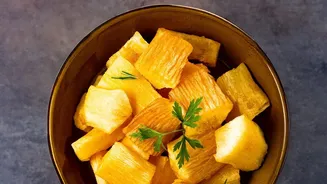
Taro root, or arbi, might be a surprising entry for many, as it's more commonly used in dry or gravy-based sabzis. However, its starchy, potato-like texture makes it an excellent addition to soups and stews that need more body. When cooked, arbi becomes soft and creamy, and if blended, it can create a velvety smooth soup. Its flavour is subtly nutty and it absorbs spices beautifully. You could create a simple arbi soup with cumin, ginger, and a hint of turmeric, or add it to a mixed vegetable korma for a heartier, thicker consistency. Taro is a good source of dietary fibre and resistant starch, which is beneficial for gut health. Just be sure to cook it thoroughly, as raw taro can cause irritation.
Turnip (Shalgam)
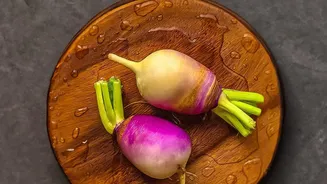
Often overlooked, the turnip is a traditional winter vegetable in North India, famously used in dishes like 'shalgam gosht' (a meat and turnip stew). Turnips have a slightly sharp, peppery flavour when raw that mellows into a mild, sweet earthiness when cooked, making them a complex and interesting addition to a stew. They hold their shape well, providing a pleasant texture to chunky soups. You can make a simple 'shalgam ka bhartha' (mashed turnip curry) and thin it out to a soupy consistency, or simply add cubed turnips to your favourite vegetable stew. They pair exceptionally well with the warmth of ginger and the richness of ghee. Turnips are low in calories but high in Vitamin C, making them a nutritious choice to bulk up your meals.