








Understanding the Power of Clove
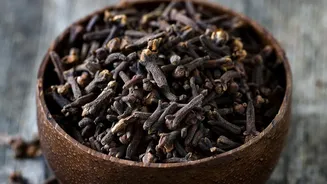
The intensely aromatic dried flower buds of the clove tree pack a powerful punch of flavour that is warm, sweet, pungent, and slightly bitter. This complexity is what makes it such a dynamic ingredient in the world of sweets. While many associate it with
pumpkin pie spice blends or holiday baking, clove can stand on its own to provide a surprising and sophisticated warmth to year-round desserts. The key is moderation. The flavour of clove is strong, so a little goes a long way. Using too much can easily overpower a dish. The main decision you'll face is whether to use whole or ground cloves. Whole cloves are perfect for slowly infusing flavour into liquids like syrups or milk, and should be removed before serving. Ground cloves are more potent and blend seamlessly into batters and doughs, releasing their flavour much more quickly.
Perfect Pairings for Clove
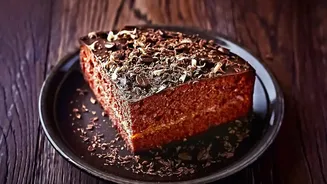
Clove rarely works alone; its bold flavour is best when balanced with other ingredients. It is a natural companion to other warm spices like cinnamon, nutmeg, allspice, and ginger. This combination is the foundation of many classic spice blends. Beyond other spices, clove pairs beautifully with a variety of fruits. It enhances the sweetness of apples, pears, peaches, and oranges, making it a perfect addition to fruit compotes, pies, and crisps. It also brings a welcome warmth to the earthiness of pumpkin, carrots, and sweet potatoes. For a more decadent twist, a pinch of ground clove can add an unexpected layer of depth to chocolate-based desserts like brownies or even a simple cup of hot cocoa.
Adding Warmth to Cakes and Breads
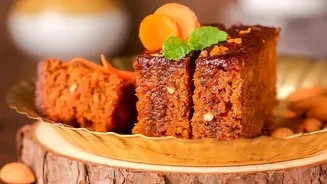
Incorporating clove into cakes and quick breads is one of the easiest ways to explore its potential. For recipes like gingerbread, spice cake, or molasses cake, clove is often a starring ingredient that provides a signature assertive note. A common ratio to start with is about a quarter teaspoon of ground cloves per two cups of flour, which is enough to make its presence known without dominating. You can add a pinch to your favourite carrot or apple cake batter to give it a subtle, warming background note. Another elegant technique is to create a clove-infused simple syrup. By simmering a few whole cloves in a sugar-and-water mixture, you can create a flavourful syrup to brush over a freshly baked sponge or bundt cake, adding both moisture and a delicate, spicy aroma.
Creating Deeply Flavoured Cookies
From classic gingerbread to simple shortbread, cookies offer a fantastic canvas for the warm spice of clove. Its pungent flavour is a key component in traditional molasses and spice cookies, where it works with the rich sweetness to create a perfectly balanced bite. Old-fashioned clove cookies, which put the spice front and center, have been a beloved treat for generations. When adding ground cloves to cookie dough, it's important to remember that its flavour will be concentrated during baking. Even a small amount, such as half a teaspoon in a batch of dozens of cookies, can provide a noticeable warmth. It works especially well in oatmeal cookies alongside raisins, or in buttery shortbread where its spiciness can cut through the richness.
Infusing Richness into Custards and Creams
For creamy desserts like custards, panna cotta, or crème brûlée, using whole cloves is the superior method. Using ground cloves can result in a gritty texture and an overpowering flavour. Instead, the technique of infusion allows for a much more subtle and refined result. To do this, simply add several whole cloves to the milk or cream as it heats. Let the mixture simmer gently, then turn off the heat and allow the cloves to steep for about 15 minutes to fully release their aromatic oils. Afterwards, strain the liquid to remove the cloves and any other whole spices before proceeding with the recipe. This method results in a silky-smooth custard with a beautifully layered, warm, and spicy fragrance that is both comforting and elegant.