






Decoding the CAFE Mandate
At the heart of this transformation are the Corporate Average Fuel Economy (CAFE) norms. Think of it as a report card for a car manufacturer's entire fleet. Instead of setting emission limits for individual car models, CAFE regulations require each automaker
to meet a specific average fuel efficiency target across all the vehicles it sells in a year. This is measured in terms of carbon dioxide (CO2) emissions, which are directly linked to fuel consumption—the less fuel a car burns, the lower its CO2 emissions. This fleet-wide average approach gives manufacturers flexibility; they can still sell larger, less efficient vehicles, as long as they balance them out with smaller, more efficient models to meet the overall corporate target. India first introduced these norms in 2017 and tightened them with CAFE-II in 2022.
What's New in the CAFE-III Draft?
The government has recently released the draft for the next phase, CAFE-III, which is proposed to take effect from April 1, 2027. The new framework outlines a plan to make fleet-average CO2 emission targets progressively stricter over a five-year period, from FY2028 to FY2032. The goal is to push the industry towards greater overall efficiency, aiming for a fleet average of 78.90 g CO2/km by 2032, a significant reduction from current levels. For the first time, the framework also proposes a shift to the more realistic Worldwide Harmonised Light Vehicles Test Procedure (WLTP) for testing, replacing the older Indian cycle. This means the reported fuel efficiency figures will more closely mirror real-world driving conditions.
The 'Super Credit' Game-Changer
This is where electric and hybrid vehicles become superstars. The CAFE framework includes a powerful incentive known as 'super credits'. These allow low-emission vehicles to be counted multiple times when calculating a manufacturer's fleet average. Under the latest draft, a battery electric vehicle (BEV) comes with a multiplier of four. In simple terms, for compliance purposes, selling one EV has the same positive impact on a company's average emissions as selling four highly efficient conventional cars. Strong hybrids and flex-fuel vehicles also receive these benefits, though the multipliers are different. This mechanism makes EVs and hybrids not just environmentally friendly options but potent strategic tools. A manufacturer struggling to meet its tightening emission targets can use a relatively small number of EV sales to significantly lower its overall fleet average and avoid penalties.
Carmakers Recalculate Their Strategy
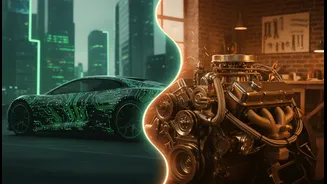
The implications for the auto industry are profound. With the CAFE-III targets making it increasingly difficult to comply using only improvements to petrol and diesel engines, a robust portfolio of electric and hybrid models is no longer a choice but a necessity. Manufacturers with a heavy reliance on traditional internal combustion engine (ICE) vehicles, particularly larger SUVs, face the highest compliance risk. They must now accelerate investment in EV and hybrid technology or risk having to buy expensive compliance credits from competitors who exceed their targets. The rules essentially create a market-based incentive for electrification, where companies with strong EV lineups can even generate revenue by selling surplus credits. This regulatory push is expected to directly influence product pipelines, leading to an influx of new EV and hybrid launches in the coming years.
What This Means for Car Buyers
For the Indian consumer, this industry shift will bring noticeable changes. The most immediate effect will be a wider variety of electric and hybrid models available in showrooms. As manufacturers rush to meet their targets, competition in the green vehicle space will intensify, potentially leading to more competitive pricing and features. While the cost of advanced technologies could lead to price increases for some conventional models, the overall drive for efficiency will result in cars with better mileage, saving owners money on fuel over the vehicle's lifetime. The regulations encourage the adoption of fuel-saving features like automatic engine start-stop and regenerative braking across more models, not just high-end ones. Ultimately, the policy is designed to steer the entire market towards a cleaner, more efficient future, giving buyers more sustainable choices.