








What the 2°C Threshold Really Means
First, let's clear up a common misconception. The 2°C target, famously part of the Paris Agreement, doesn't refer to a single hot day or a sweltering month. It refers to the long-term average global temperature staying 2 degrees Celsius above the pre-industrial
average (the period from 1850-1900). Scientists use this multi-decade average to distinguish between short-term weather fluctuations and a permanent shift in the planet's climate. Think of it like your health. A single high-fever day is a warning, but a persistently high body temperature over weeks points to a chronic illness. The 2°C limit is the point beyond which scientists believe the risks of catastrophic and irreversible climate changes increase dramatically.
A Temporary Spike: The Planet's Fever Warning
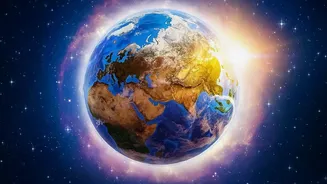
So, what does it mean when we breach 2°C for a day or a month, as has happened and is projected to happen again? These temporary overshoots are alarming warning signs. They are like a fever flare-up, indicating the underlying sickness is worsening. Scientists see these events, often boosted by natural phenomena like a strong El Niño, as dress rehearsals for a future we want to avoid. They demonstrate that the climate system is sensitive and that we are getting dangerously close to the long-term limit. While a single month above 2°C does not mean we have failed to meet the Paris Agreement goals, it serves as a stark, undeniable signal that the planet's energy imbalance is growing and that our window for action is narrowing.
A Generation Under a 2°C Shadow
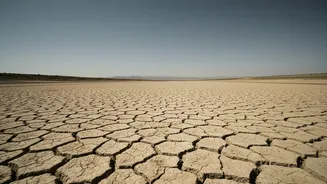
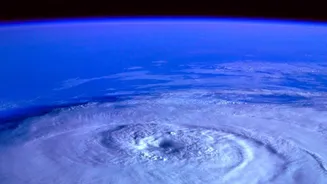
The real danger lies in a permanent, generational breach. If the long-term average temperature settles at or above 2°C, it triggers systemic and often irreversible shifts. This is the difference between a warning and a verdict. In a 2°C-warmer world, extreme weather events become the new normal, not the exception. We would face a future with more intense heatwaves, severe droughts, and catastrophic flooding. Scientists project irreversible consequences like the near-total loss of coral reefs, significant melting of the Greenland and Antarctic ice sheets leading to metres of sea-level rise, and the potential collapse of vital ecosystems like the Amazon rainforest. This isn't just about bad weather; it's about fundamentally rewriting the rules of the planet on which our societies, economies, and food systems depend.
What This Means for India
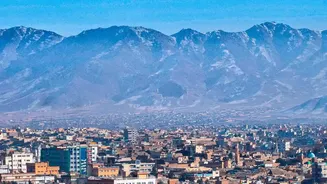
For India, the stakes are exceptionally high. A sustained 2°C rise isn't an abstract number; it's a direct threat to lives and livelihoods. Coastal megacities like Mumbai and Kolkata would face existential threats from sea-level rise. The predictability of the monsoon, the lifeblood of Indian agriculture, would be severely compromised, leading to both intense floods and prolonged droughts. Studies show that Indian cities may heat up significantly faster than surrounding rural areas, amplifying the risks of deadly heat stress for millions. Uncompensable heat stress—when the body can no longer cool itself down—could become a more frequent reality, making outdoor work perilous and increasing heat-related illnesses and mortality. The cost of adapting to these changes is projected to be enormous, potentially stunting economic growth for a generation.