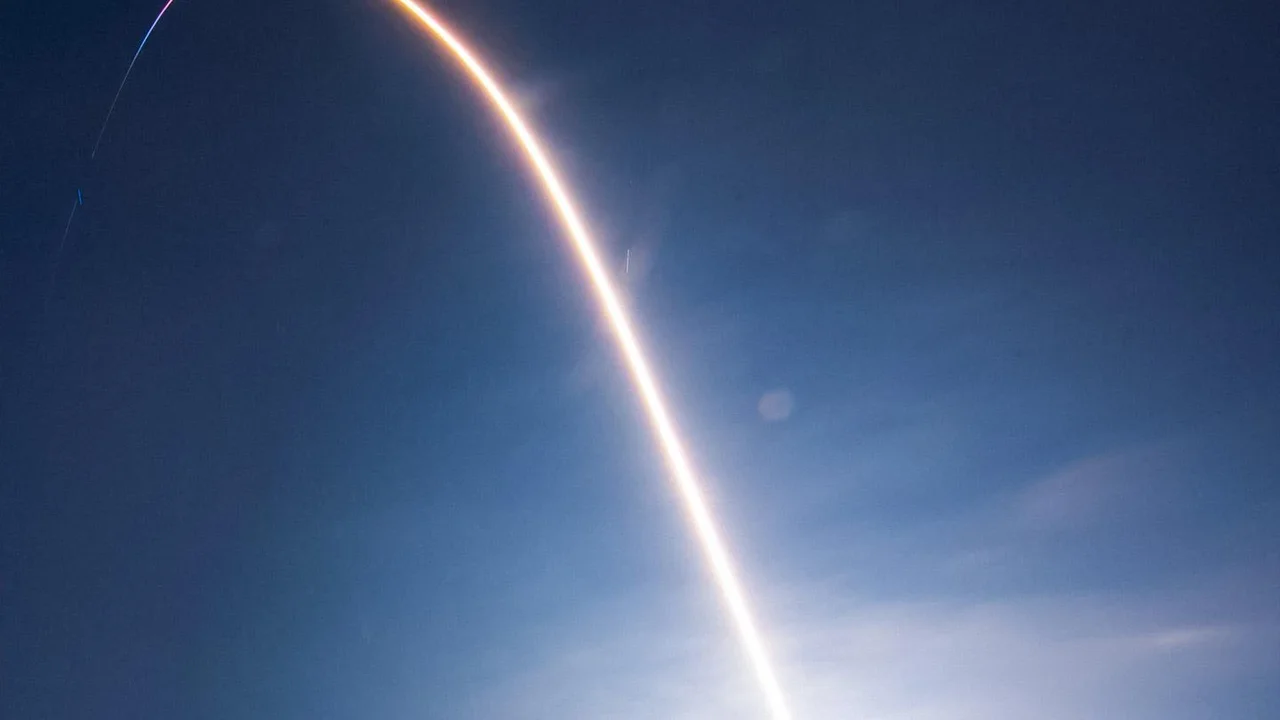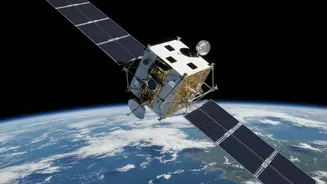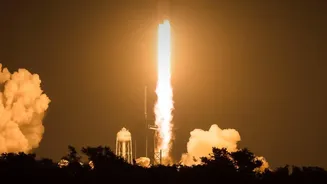



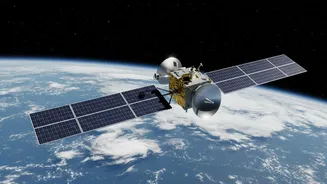
What is SMOPS-2026?
SMOPS-2026 stands for the International Conference on Spacecraft Mission Operations. Hosted in Bengaluru, this event brings together the Indian Space Research Organisation (ISRO) with global space agencies like NASA and ESA, private companies, and academics.
The central theme is pioneering smart and sustainable management for space missions. Discussions cover everything from mission design and managing large satellite constellations to human spaceflight, AI in space, and setting new policies for a rapidly evolving frontier. It’s a critical forum for shaping the rules of the road for space.
Bengaluru: India's Space City
There's a reason this global conversation is happening in Bengaluru. As the headquarters for ISRO's Telemetry, Tracking and Command Network (ISTRAC), the city is the nerve centre for India's satellite operations. It is also the hub for a booming private space-tech startup ecosystem. This conference, along with others like the Bengaluru Space Expo, solidifies the city's role as a key node in the international space community, where policy, innovation, and commerce converge.
The Growing Peril of Space Junk
For decades, the area surrounding our planet has been filling up with debris. This includes defunct satellites, spent rocket stages, and millions of smaller fragments from past collisions or tests. These objects travel at incredible speeds, where a collision with even a tiny piece of junk can be catastrophic for an operational satellite providing crucial communication, navigation, or weather services. With the rise of mega-constellations launching thousands of new satellites, the risk of a chain reaction of collisions grows, potentially rendering certain orbits unusable for generations.
What are Sustainable Operations?
Sustainable space operations refer to a set of practices designed to prevent the growth of space debris and ensure orbits remain safe. This includes designing satellites that can safely de-orbit at the end of their life, better tracking systems to monitor objects in space, and performing collision avoidance manoeuvres. International cooperation and data sharing are essential components, as space is a shared resource. Essentially, it's about shifting from a 'launch and leave' mentality to responsible stewardship of the orbital environment.
India's Push for a Cleaner Cosmos
India is positioning itself as a leader in space sustainability. ISRO has announced an ambitious "Debris-Free Space Missions" (DFSM) initiative, which aims for all Indian space actors, both government and private, to achieve zero debris creation by 2030. This is backed by technological investments like Project NETRA (Network for space object TRacking and Analysis), an early warning system to detect hazards to Indian satellites. NETRA uses radars and telescopes to track objects, giving India its own capability in Space Situational Awareness (SSA) and reducing reliance on foreign data.
The Stakes for a Multi-Trillion Dollar Industry
The conversation at SMOPS-2026 is not just academic; it has massive economic implications. The global space economy is valued at hundreds of billions of dollars and is projected to surpass a trillion. This growth is threatened by the escalating risk of space debris. However, this challenge also presents an opportunity. Developing technologies for active debris removal, in-orbit servicing, and advanced tracking are becoming lucrative new sectors within the space industry. For India, with its growing private space sector, leading in sustainability is not just good policy but also smart business.