
Instead of Arashiyama Bamboo Grove, Try Adashino Nenbutsu-ji Temple
The Arashiyama Bamboo Grove in Kyoto is world-famous for its towering stalks of bamboo that create an otherworldly corridor of green. Unfortunately, its fame means the narrow path is almost always congested, making a peaceful stroll nearly impossible.
For a more serene experience, venture a little further into the same Arashiyama district to find Adashino Nenbutsu-ji Temple. This temple, founded over a thousand years ago, features its own beautiful bamboo grove lining a stone staircase. While smaller than the main Arashiyama path, it is far less crowded, allowing you to enjoy the rustling leaves and ethereal light in peace. The temple grounds also house around 8,000 stone statues, adding a profound historical and spiritual dimension to your visit.
Instead of Fushimi Inari Shrine, Try Nezu Shrine
The seemingly endless tunnels of red torii gates at Fushimi Inari Shrine in Kyoto are a photographer's dream, but also a major tourist bottleneck. For a similar visual experience in a calmer setting, visit Nezu Shrine in Tokyo. Located in the quiet Bunkyo ward, Nezu Shrine is one of the city's oldest places of worship and features a stunning path of vermilion torii gates winding up a hillside. While it doesn't have the thousands of gates that Fushimi Inari boasts, the effect is just as magical as you walk through the tunnel. The shrine is set within a lush landscape with a koi pond, offering a tranquil escape from the city's hustle without the intense crowds of its Kyoto counterpart.
Instead of the Shibuya Scramble, Try Yanaka Ginza
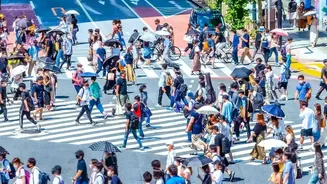
Shibuya Crossing is the pulsating heart of modern Tokyo, an electrifying spectacle of humanity and neon. But if you want to experience the energy of a classic Tokyo street without the overwhelming scale, head to the Yanaka Ginza shopping street. This charming, retro 'shotengai' (shopping street) offers a glimpse into a more traditional, slower-paced Tokyo. While Shibuya showcases hyper-modern Japan, Yanaka preserves a 'shitamachi' (old town) atmosphere with family-run shops, street food vendors, and a friendly, local feel. You can wander the narrow lanes, sample snacks, and soak in a neighbourhood vibe that feels worlds away from the scramble, offering a different but equally compelling slice of Tokyo life.
Instead of Kinkaku-ji (Golden Pavilion), Try Ginkaku-ji (Silver Pavilion)
Kinkaku-ji, Kyoto's Golden Pavilion, is dazzling with its gold-leaf exterior shimmering over a tranquil pond. Its immense popularity, however, means you'll be sharing that view with a massive crowd. For a more contemplative and less crowded temple experience, visit its spiritual counterpart, Ginkaku-ji, the Silver Pavilion. Despite its name, the pavilion was never actually covered in silver, but it boasts an understated elegance and a deep sense of wabi-sabi (finding beauty in imperfection). Its most famous features are its meticulously maintained dry sand garden, known as the "Sea of Silver Sand," and a large sand cone said to symbolize Mount Fuji. The temple is set within a beautiful moss garden with a path that winds up a hill, offering peaceful views over the grounds and city below.
Instead of Tourist-Heavy Gion, Try Higashi Chaya in Kanazawa
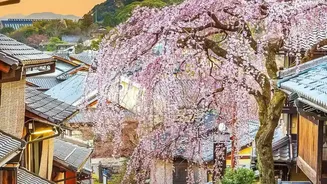
Kyoto's Gion district is famous for its traditional wooden machiya houses and the chance to spot a geisha. It's also incredibly crowded. For a similarly preserved historic entertainment district with a fraction of the visitors, consider a trip to Kanazawa's Higashi Chaya district. Located just a shinkansen ride away from Tokyo, Kanazawa is often called "Little Kyoto." Higashi Chaya is its largest and most beautiful geisha district, with beautifully preserved two-story wooden teahouses lining the streets. Many of these teahouses are now open to the public as museums, cafes, and artisan shops selling local crafts like gold leaf products. The atmosphere is wonderfully authentic, allowing you to step back in time and appreciate the elegant architecture without jostling through crowds.