


The Great Indian Diet Paradox
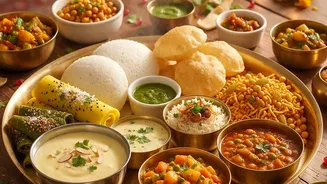
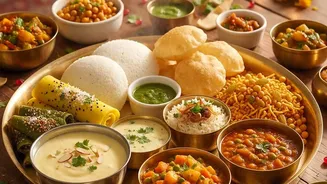
For generations, the traditional Indian vegetarian diet, rich in lentils, whole grains, and vegetables, has been a cornerstone of good health. However, modern dietary habits have shifted this balance. Many contemporary Indian vegetarian plates are dominated
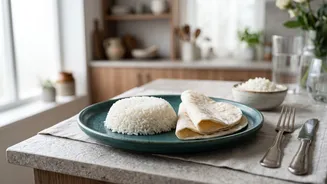
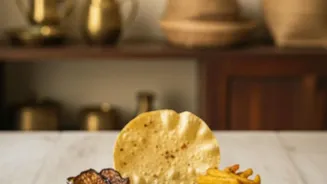
by refined carbohydrates like polished white rice, maida-based rotis, and sugary snacks. While vegetarianism itself is associated with a lower likelihood of diabetes, a diet heavy in high-glycemic carbs can lead to frequent blood sugar spikes, overwhelming the body’s insulin response over time and increasing diabetes risk. This creates a paradox where a seemingly healthy, meat-free diet might contribute to metabolic issues if not properly balanced.
Rethinking Carbohydrates and Grains
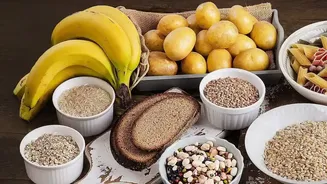
The main issue often lies not with carbohydrates themselves, but their quality and quantity. Foods with a high glycemic index (GI), like white rice, potatoes, and refined flour, are digested quickly, causing a rapid rise in blood glucose. A typical Indian meal pattern might involve grain-heavy dishes for breakfast (poha, upma, idli), lunch (multiple rotis or a large serving of rice), and dinner. To manage blood sugar effectively, the focus should shift to low-GI carbohydrates. Simple swaps can make a significant difference. Replacing white rice with brown rice, hand-pounded rice, or millets like jowar, bajra, and ragi is a great first step. Similarly, opting for rotis made from whole wheat, multigrain flour, or millet flour instead of refined maida helps slow down sugar release.
The Foundational Role of Protein
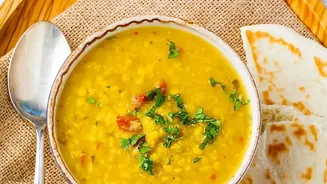
Protein is a critical, yet often under-consumed, nutrient in many Indian vegetarian diets. It plays a vital role in managing blood sugar because it slows down the absorption of carbohydrates, preventing sharp glucose spikes after a meal. Including a quality protein source in every meal promotes satiety, helping to control overall calorie intake and support muscle health. Fortunately, Indian cuisine is rich with excellent vegetarian protein options. Thick dals (lentils), legumes like chana (chickpeas) and rajma (kidney beans), paneer (Indian cottage cheese), tofu, soya chunks, and curd (yogurt) are all fantastic choices. Aiming to have one of these protein sources as a central part of every meal is a key strategy for a diabetes-friendly diet.
Fill Up on Fibre with Vegetables
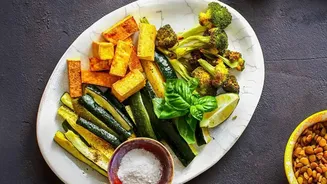
Alongside protein, fibre is your best friend for blood sugar management. Non-starchy vegetables are packed with fibre, which slows digestion and the release of sugar into the bloodstream. They are also low in calories and high in essential vitamins and minerals. The goal should be to fill half of your plate with vegetables at lunch and dinner. Excellent choices readily available in India include leafy greens like spinach (palak) and fenugreek (methi), as well as bottle gourd (lauki), bitter gourd (karela), okra (bhindi), cauliflower, and bell peppers. Unlike starchy vegetables like potatoes, these can be consumed in generous quantities without significantly impacting blood sugar levels.
How to Build a Balanced Thali
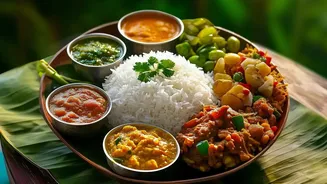
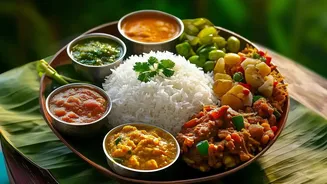
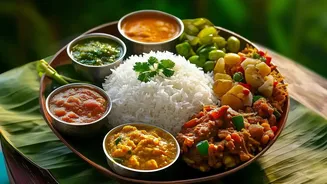
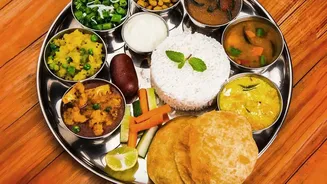
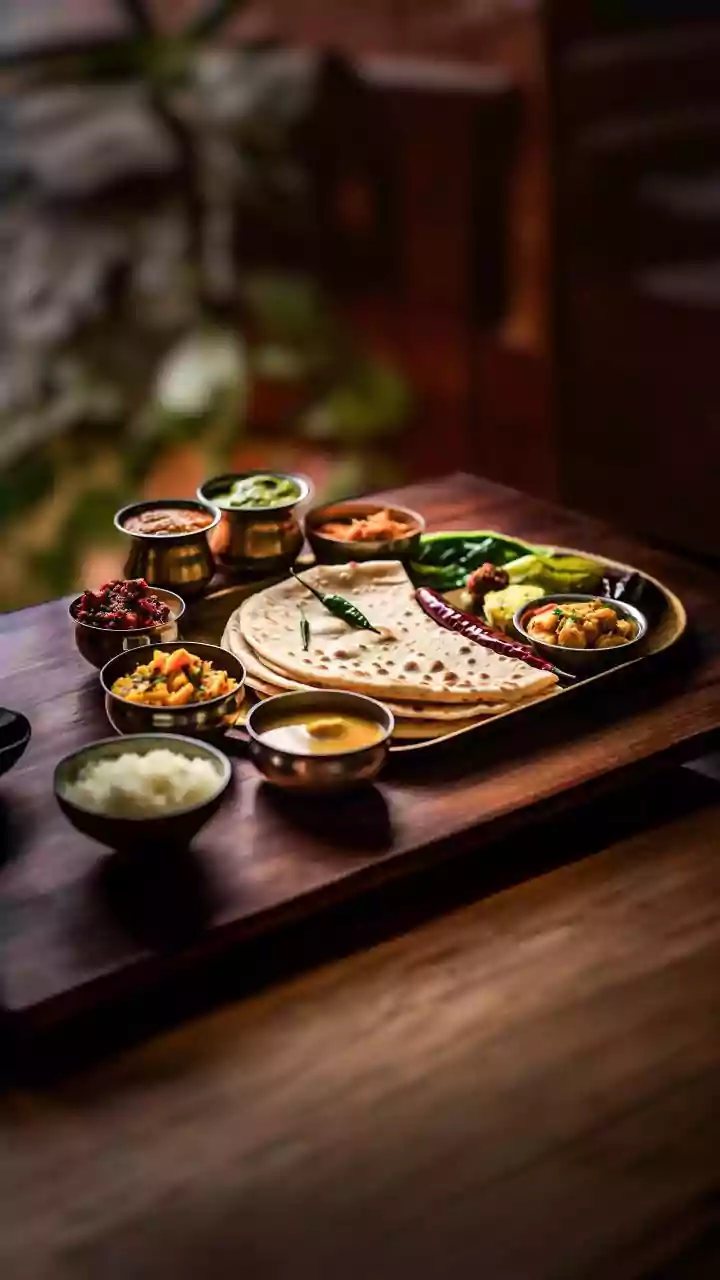
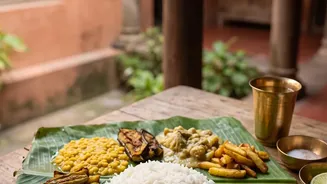
Visualising your meal using the 'plate method' is a simple and effective way to ensure balance without counting calories. Divide your plate into three sections: Fill half your plate (50%) with non-starchy vegetables. This could be a generous serving of sabzi, a fresh salad, or a combination of both. Fill one quarter of your plate (25%) with a high-quality protein source. This is where your dal, paneer curry, chana masala, or tofu dish goes. Fill the final quarter (25%) with complex carbohydrates. This includes one or two whole-grain rotis or a small bowl of brown rice or millets. This simple rule helps you prioritise the most important food groups for diabetes management, ensuring that every meal is both satisfying and metabolically sound.