


Anatomy of a Surprise Disaster
On August 26, 2026, communities along the Nepal-Tibet border were engulfed by a catastrophic flash flood. Unlike typical monsoon-driven floods, this event was not preceded by torrential local rainfall, which caught residents completely off guard. In a matter
of minutes, a surge of water, mud, and debris thundered through river valleys, destroying homes, bridges, and hydropower projects. The force was so immense that it arrived with little to no time for people to escape, turning a seemingly calm day into a scene of widespread devastation. Eyewitnesses reported a sudden rise in the river, with water levels swelling by up to nine meters in just half an hour, a testament to the event's terrifying speed and power.
The Culprit High in the Himalayas
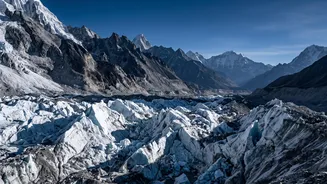
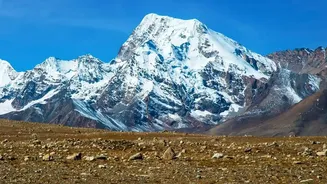
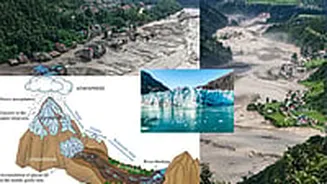
Scientists quickly ruled out heavy rain as the cause. Instead, evidence from satellite imagery and seismic data pointed to a far more complex and violent trigger high in the mountains: a glacier collapse. Initial assessments suggest a massive chunk of a glacier, along with the bedrock beneath it, broke away from a mountain peak. This ice-rock avalanche plunged down the valley, generating a seismic shock equivalent to a magnitude 5.2 earthquake. This type of event is distinct from a more commonly known Glacial Lake Outburst Flood (GLOF), where a dam containing a glacial lake fails. In this case, the glacier itself collapsed, creating a fast-moving torrent of debris.
A Cascading Chain of Events
The collapse initiated a deadly chain reaction. The falling mass of ice and rock likely blocked the river below temporarily, forming an unstable natural dam. Water quickly built up behind this obstruction. When the dam failed, it released a sudden, massive surge of water downstream. This torrent was not just water; it was a thick slurry of mud, boulders, and ice fragments scoured from the valley floor, which amplified its destructive power. This cascading effect explains how a disaster originating miles away in a remote, high-altitude area could result in a catastrophic flood in downstream communities without any local weather warning.
The Impossible Warning
The lack of warning stems from the nature and location of the trigger. Such collapses happen in extremely remote and difficult-to-monitor mountain regions. While Nepal has been working to install early warning systems for floods, many are designed to detect rising water levels from rainfall or known high-risk glacial lakes. A sudden glacier collapse provides an extremely short lead time, if any. The flood wave travels so quickly that by the time sensors downstream detect it, it's often too late for effective evacuation. Furthermore, monitoring the thousands of glaciers in the Himalayas for signs of instability is a monumental technical and financial challenge.
A Fingerprint of a Warming Climate
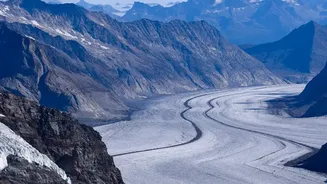
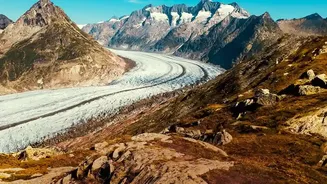
While it's difficult to attribute any single event to climate change, scientists agree that a warming world makes such disasters more likely. The Himalayas are warming faster than many other parts of the world, causing glaciers to melt at an accelerated rate. This warming can destabilize the ice itself and thaw the permafrost, or frozen ground, that acts like a glue holding mountain slopes together. As the permafrost weakens, the bedrock beneath glaciers can fail, increasing the risk of catastrophic collapses. With Himalayan glaciers losing ice at a rate that has doubled since the year 2000, the formation of new glacial lakes and the instability of existing glaciers are growing threats to millions of people living downstream.