







When you invest in a larger flat, you're buying more than just extra square footage. You're investing in a lifestyle. The neighbourhood you choose has a powerful and direct impact on your property's long-term value and your family's quality of life.
Location Is More Than an Address
The
timeless rule of real estate—'location, location, location'—holds particularly true for larger flats, which are often sought by families looking to set down roots. Beyond the prestige of an address, the true value lies in the social and physical infrastructure surrounding your home. A well-developed neighbourhood with a strong sense of community, safety, and convenience will almost always appreciate faster than an isolated property. Think of it this way: the flat provides the living space, but the neighbourhood provides the life. Factors like well-lit streets, low crime rates, and a reputation for security are foundational elements that buyers prioritise, directly supporting higher property valuations.
The Power of Proximity and Connectivity
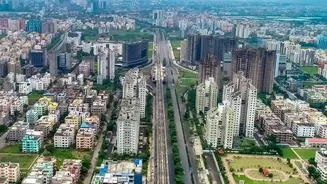
For many urban families, time is the ultimate luxury. A key driver of a larger flat's value is its connectivity. Proximity to major transport arteries like highways and, most notably, metro stations can significantly boost a property’s worth. Studies across major Indian cities show that properties within a 500-metre radius of a metro station can command a price premium of 10-25%. In some cases, like in Gurugram, this premium has reached as high as 30%. This 'transit premium' isn't just about convenience; it reflects lower commuting costs, reduced traffic stress, and easier access to employment hubs, schools, and commercial centres, all of which are major draws for potential buyers and renters.
The Family-Focused Premium: Schools and Hospitals
For those investing in a larger flat, the needs of a growing family are often front and centre. The quality and proximity of social infrastructure like schools and hospitals are therefore non-negotiable amenities that add immense value. Neighbourhoods with reputable educational institutions are highly sought after by families, creating sustained demand that keeps property values robust. Similarly, easy access to quality healthcare facilities provides peace of mind and adds to the area's overall livability. Developers are increasingly aware of this, often planning projects around these essential social hubs because they know it makes the properties more attractive to long-term residents and investors.
Green Spaces and the Wellness Factor
In the concrete jungles of modern cities, access to green space has become a coveted luxury. The presence of wellmaintained parks, playgrounds, and recreational areas can increase a property's value significantly. Some estimates suggest that homes near parks can see their value increase by 8–20%. For families with children, a safe and accessible play area is a huge plus. For all residents, these green lungs offer a space for exercise, relaxation, and community interaction, contributing to a healthier and more balanced lifestyle. This growing emphasis on wellness and quality of life is making properties near green zones a smarter and more valuable investment.
Everyday Convenience: Retail and Walkability
The ease of daily life is a powerful, if sometimes overlooked, factor in a property's appeal. A neighbourhood's 'walkability'—the ability to access shops, cafes, grocery stores, and restaurants on foot—has a direct correlation with property value. Highly walkable areas are not only more convenient but also foster a stronger sense of community. Being able to run errands or enjoy a meal without needing a car reduces transportation costs and enhances the residential experience. This convenience makes a neighbourhood more desirable to a wide range of buyers, from young professionals to retirees, which in turn drives up demand and supports higher property prices.