







From the Small Screen to the Big Group
For years, the narrative was that streaming had killed the movie star and that the cinema was a dying relic. The future of entertainment, we were told, was a fragmented landscape of individual users watching on their own devices. Yet recent data paints
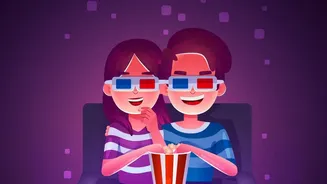
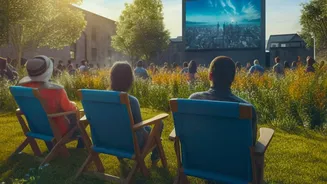
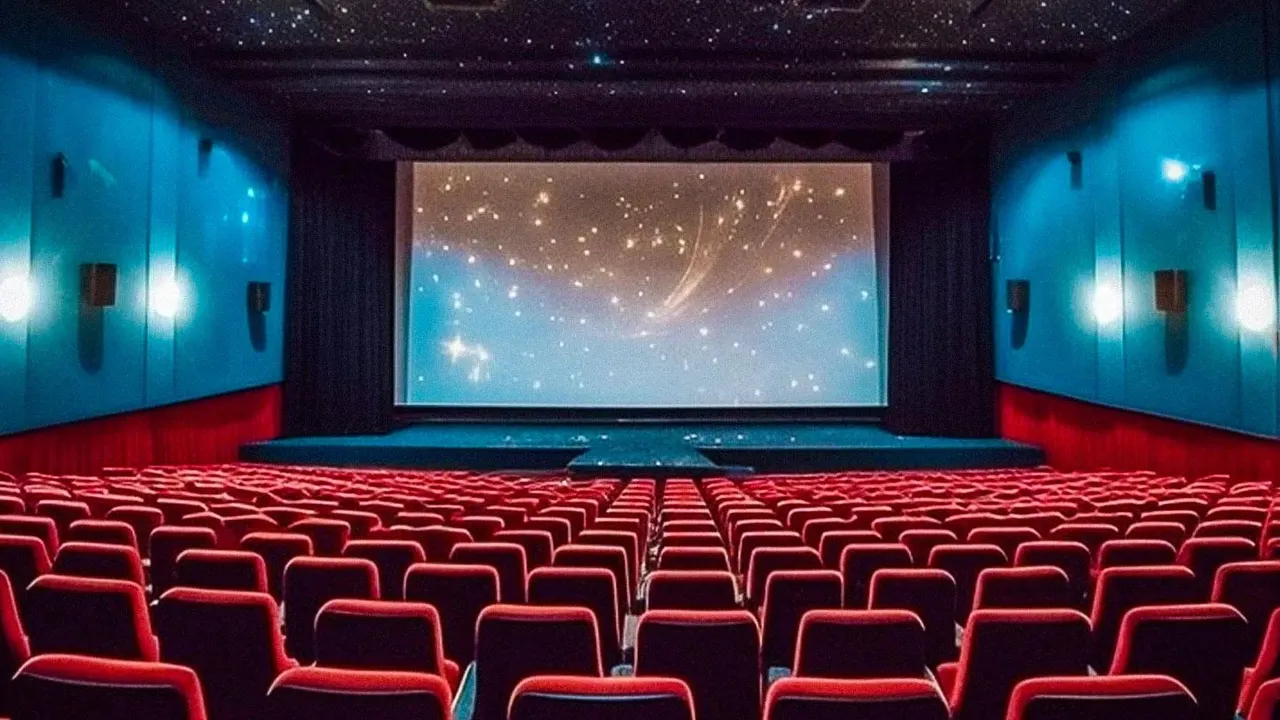
a very different picture, with Gen Z at the center of a surprising renaissance. A spring 2026 study found that 87% of Gen Z had seen a movie in a theater in the past year, making them the most frequent moviegoing generation. This isn’t just a post-pandemic rebound; it reflects a deeper shift in how this generation approaches entertainment. For them, moviegoing is primarily a social activity, a stark contrast to the solitary escape it often represents for older generations. They are tired of the small screen and are actively seeking out shared experiences.
The Power of a Shared Reaction
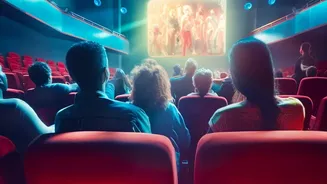
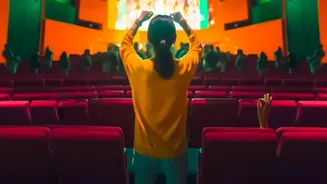
A key driver of this trend is the immense value Gen Z places on shared, real-time reactions. Raised on platforms like TikTok and Twitch, where split-screens, duets, and live commentary are the norm, this generation doesn't separate the act of watching from the act of reacting with a community. The joy isn't just in the plot twist itself, but in seeing everyone else's shock at the same moment. This desire for collective emotion is so strong that it's turning specific films and even TV episodes into can't-miss social events. Theaters amplify this, with one artistic director noting that in a crowd, “the laughs are funnier and the jump scares are scarier.” It’s an immersive, participatory culture where being part of the online conversation afterward requires having been part of the offline experience first.
Redefining the 'Night at the Movies'
Gen Z’s approach is transforming the cinema from a passive viewing space into an active social destination. The Fandango study revealed that 92% of Gen Zers pair their movie outing with another activity, like going out to eat, effectively reviving the classic “dinner and a movie” date, but with friends. They are also spending more on premium formats like IMAX to make the event feel bigger and more worthwhile. This generation is turning movie premieres into cultural rituals, akin to concerts or sporting events. The desire for a “third space”—a place to gather that is neither home nor work—is a significant factor, especially as interest in alcohol-centric venues wanes for some. The cinema is filling that void, offering a planned, social, and phone-free activity.
The Digital Campfire Finds a Home
This communal impulse isn't confined to theaters. At home, Gen Z has moved beyond the casual “Netflix and chill” to more organized forms of group viewing. Platforms like Discord and private group chats have become digital campfires, allowing friends to synchronize their streams and maintain a running commentary. These aren't passive hangouts; they are curated social rituals. While they may still watch content on their phones or laptops, the experience is often networked and shared. This reflects a generation that is highly conscious of the mental toll of digital isolation. They are using the same tools that once encouraged solitary viewing to build new forms of togetherness, seeking authentic connection in an increasingly fragmented media world.
A Pushback Against the Algorithm
Ultimately, this trend can be seen as a quiet rebellion against the algorithmic culture that has defined Gen Z’s media consumption. While they use platforms like TikTok and YouTube more than any other generation, they are also wary of being passively fed content. Choosing to watch a movie with friends—whether in a theater or synced up online—is an act of agency. It prioritizes human connection over a recommendation engine. It's a deliberate choice to slow down and invest their most valuable resource—attention—in a shared story. This hunger for something real and collective suggests that even for the most digitally native generation, some experiences are simply better when they aren't filtered through a personal screen.