


The Hidden Risks in Raw Produce
We love our kachumber and fresh vegetable platters, but the reality is that raw produce can harbour invisible threats. When vegetables are irrigated or washed with contaminated water, they can carry harmful microorganisms like E. coli, Salmonella, and various
parasites. The monsoon season, with its heavy rains and potential for flooding, often exacerbates this issue by contaminating water sources with sewage and other pollutants, increasing the risk of foodborne illnesses. High humidity and warmth also create an ideal breeding ground for bacteria on the surface of fresh produce.
Why Washing Might Not Be Enough
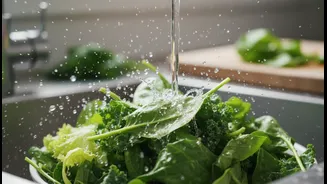
Thoroughly washing vegetables under clean, running water is a non-negotiable first step in any kitchen. The Food Safety and Standards Authority of India (FSSAI) advises washing produce with potable water. However, if the tap water itself is of uncertain quality, washing can become a route for contamination rather than a solution. While methods like soaking in salt or vinegar solutions can help, they may not eliminate all microscopic pathogens, especially those that cling tightly to the vegetable's surface or hide in tiny crevices. This is where heat provides a more definitive layer of protection.
Heat: Your Ultimate Safety Tool
Cooking is one of the most effective ways to eliminate harmful bacteria and viruses from food. Most foodborne pathogens cannot survive high temperatures. Bringing vegetables to a boil or ensuring their internal temperature reaches at least 75°C will kill most hazardous microorganisms, making them significantly safer to consume. While it's still crucial to wash away dirt, pesticides, and other physical debris, applying heat acts as a final, powerful sterilisation step, giving you peace of mind with every bite.
Smart Cooking for 'Salad' Vegetables
The idea of a 'cooked salad' might sound unappealing, but it doesn't have to mean a soggy, boiled mess. The goal is to apply enough heat to ensure safety while preserving texture and flavour. Consider these quick-cooking methods: Blaching: Briefly plunge vegetables like carrots, beans, and broccoli into boiling water for 30-60 seconds, then immediately transfer them to a bowl of cold water to stop the cooking process. They'll remain crisp and vibrant. Steaming: This gentle method works wonderfully for leafy greens like spinach and even sturdy lettuce varieties like iceberg or romaine. Steam for just a minute or two until slightly wilted but still with a bite. Stir-frying: A quick toss in a hot wok or pan with minimal oil can safely cook vegetables like bell peppers, onions, and cabbage while maintaining their crunch. Grilling or Roasting: Tomatoes, zucchini, and bell peppers become deliciously flavourful when lightly grilled or roasted, a perfect base for a warm salad.
If You Must Have It Raw
If you are confident about your water source or simply cannot part with a raw salad, take extra precautions. Always use potable, bottled, or properly filtered water for the final rinse of your vegetables. FSSAI has also mentioned using a 50ppm chlorine solution for dipping vegetables, followed by a thorough rinse with clean water. Another common household practice is to soak vegetables in a solution of water and vinegar for about 10-15 minutes before rinsing them again with safe water. These steps can significantly reduce the microbial load, but they are not as foolproof as cooking.