



From Playtime to Training Time
There’s an undeniable appeal to outdoor fitness. You get fresh air, sunshine for that essential Vitamin D, and the freedom of movement that a crowded gym can’t always offer. Parks and public playgrounds, with their array of bars, benches, and open spaces,
are essentially free-for-all calisthenics gyms. They provide built-in equipment for pulling, pushing, and balancing exercises. However, to truly benefit and avoid injury, a mental shift is required. This isn’t just about having fun; it’s about structured training. The same principles that forge strength and prevent injury inside a gym are just as crucial when your equipment is a set of monkey bars. Thinking in terms of movement patterns—push, pull, squat, hinge, and brace—transforms random activities into a cohesive workout. This approach ensures you’re building balanced, functional strength that translates to real-world activities.
The Non-Negotiable Warm-Up
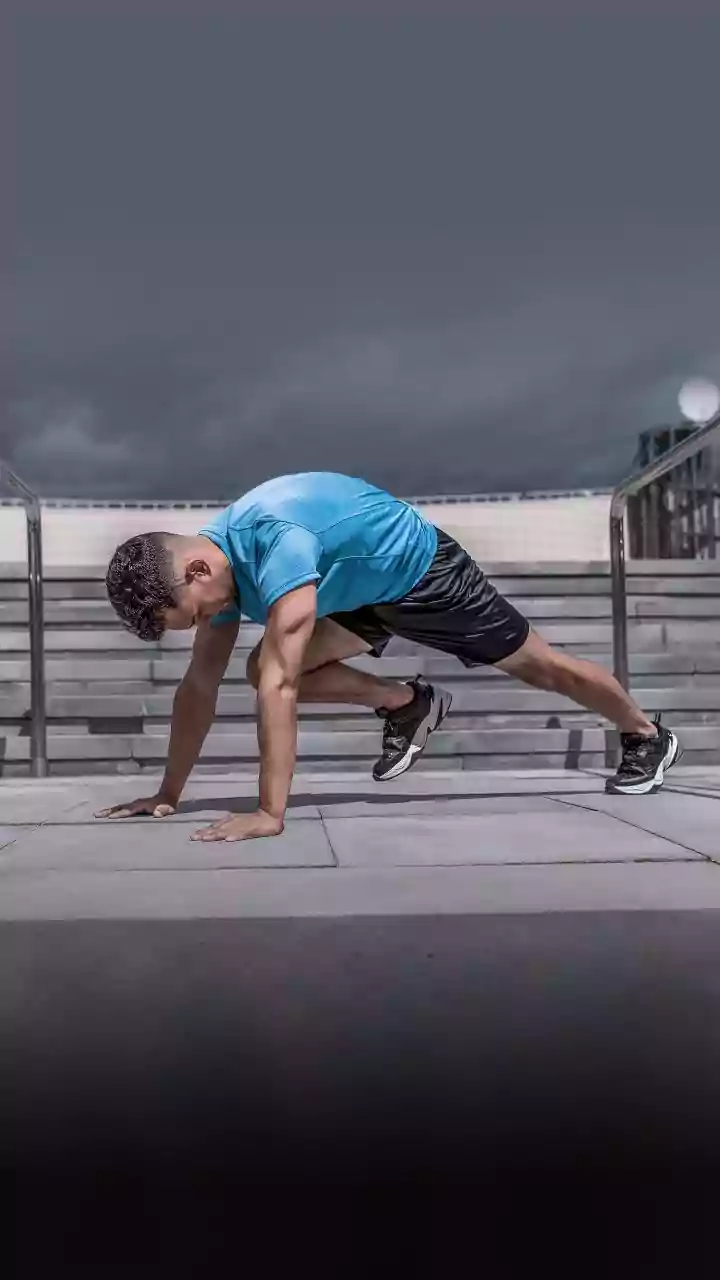
Jumping straight into a workout, especially outdoors on cool metal bars, is a recipe for disaster. A proper warm-up is essential. Its purpose is to gradually increase your heart rate, raise your body temperature, and improve blood flow to your muscles. This makes them more flexible and efficient, significantly reducing your risk of strains or sprains. Forget holding static stretches for 30 seconds. Before a workout, you need dynamic stretches—active movements that mimic the exercises you're about to perform. A good five-to-ten-minute routine could include arm circles, leg swings, torso twists, and light cardio like jogging or jumping jacks. This not only prepares your muscles, joints, and cardiovascular system but also sharpens your focus and coordination for the session ahead.
Master Form Before Seeking Flair
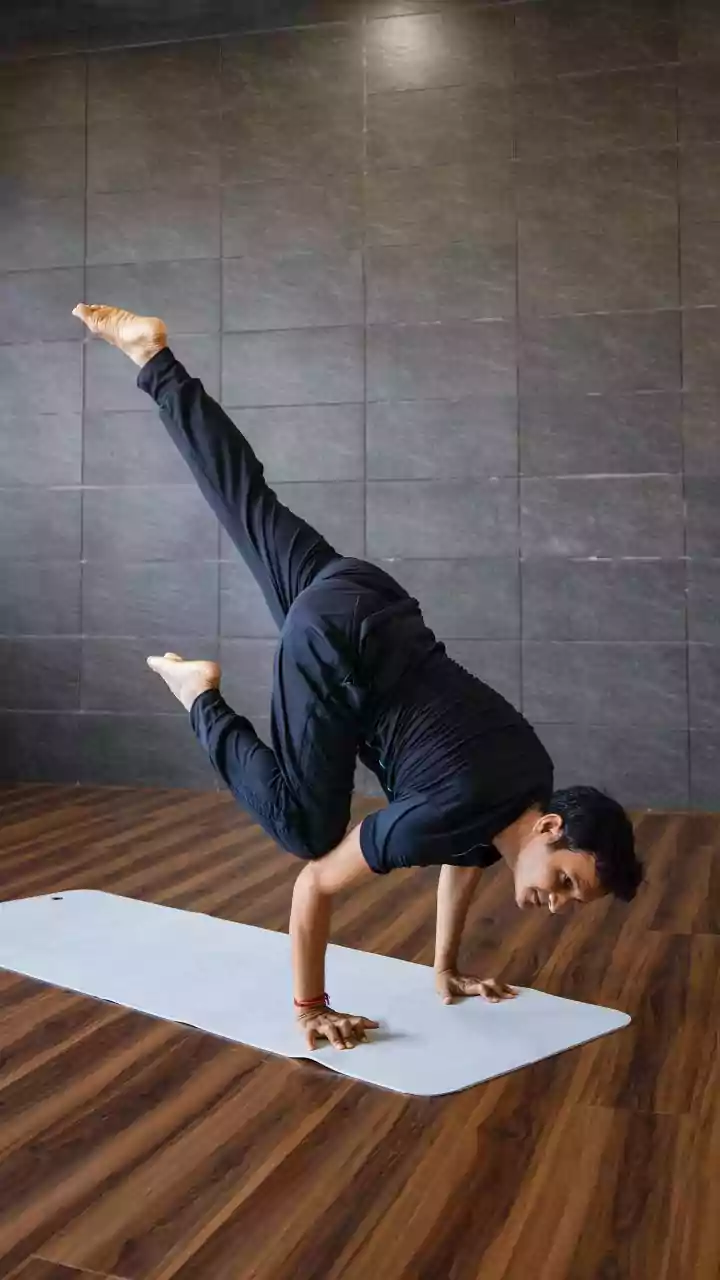
Calisthenics has a high 'cool factor', with advanced moves like muscle-ups and human flags often being the goal. However, chasing these skills before building a solid foundation is one of the biggest mistakes beginners make. The key to long-term success and an injury-free journey is mastering the form of basic exercises first. On a playground, this means focusing on the quality of each repetition. For pull-ups, that’s a full range of motion from a dead hang to chin over the bar, without swinging. For push-ups on a bench, it’s keeping your body in a straight line from head to heels. For dips, it’s controlling the descent and not letting your shoulders roll forward. Quality trumps quantity every time. Ten perfect, controlled push-ups will build more strength and be far safer than 30 sloppy ones.
Progression: The Secret to Getting Stronger
Muscles grow stronger when they are challenged. In weightlifting, you add another plate to the bar. In bodyweight training, you make the exercise itself harder—a concept known as progressive overload. A playground is the perfect place to practice this. If a standard push-up is too hard, you can start with incline push-ups against a bench or wall. As you get stronger, you can move to a lower surface and eventually to the ground. Can't do a pull-up yet? Start with dead hangs to build grip strength or use a lower bar for Australian pull-ups (inverted rows). The next step might be using resistance bands or performing negative pull-ups (jumping to the top and slowly lowering yourself down). Other ways to progress include increasing repetitions, decreasing rest time between sets, or slowing down the movement to increase time under tension. This layered approach ensures you are always challenging yourself appropriately, which is the cornerstone of building real, lasting strength.
Common Mistakes and How to Avoid Them
Besides skipping the warm-up and rushing progressions, a few other common errors can stall progress or lead to injury. One major issue is inconsistency. Aiming for two to three structured sessions a week will yield far better results than sporadic, intense workouts. Another mistake is focusing only on 'push' exercises like push-ups and dips while neglecting 'pull' movements like pull-ups and rows. This can create muscle imbalances. Playgrounds offer ample opportunities for both. Finally, don't forget to cool down. Just as a warm-up eases you into a workout, a cool-down allows your heart rate to return to normal gradually. A few minutes of light walking followed by static stretching can improve flexibility and may help reduce post-workout muscle soreness.