







The 'When': Embracing the Southern Summer
Antarctica is accessible to tourists for only a short window each year during the Southern Hemisphere's summer, typically from late October or November through March. This is when the sea ice breaks up enough for expedition ships to navigate the waters,
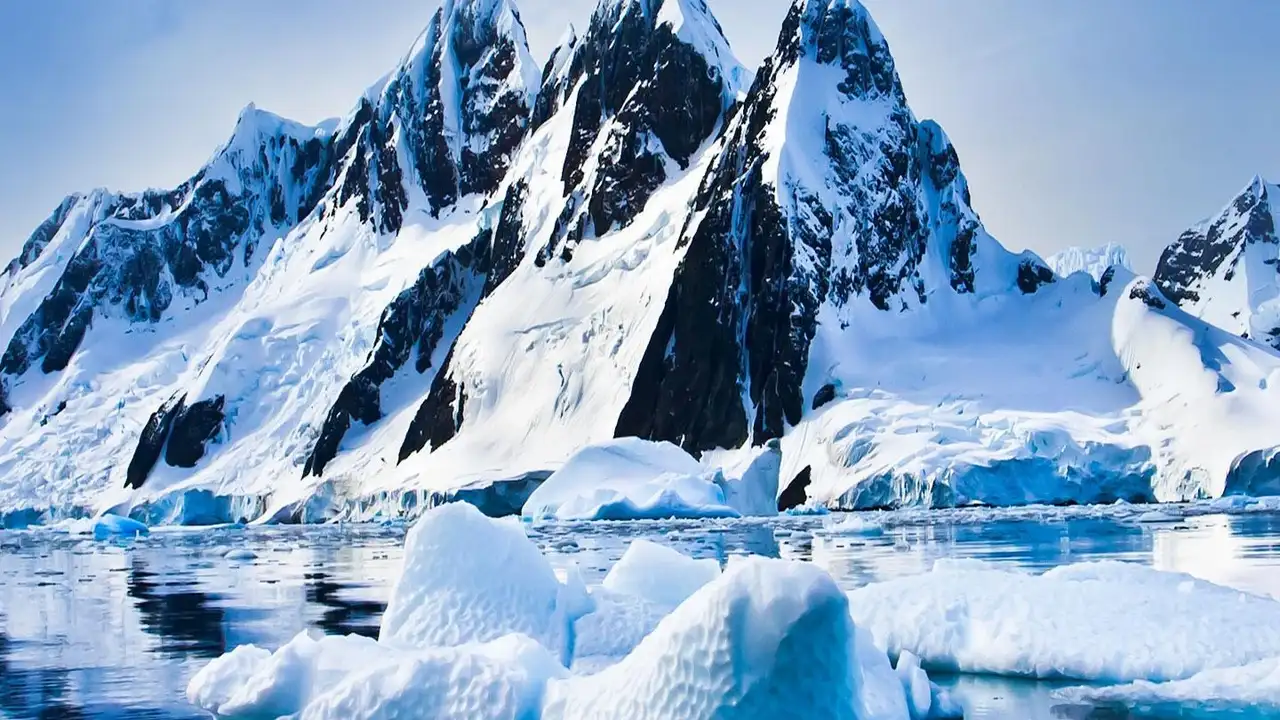
the weather is at its most manageable, and wildlife is most active. For the rest of the year, the continent is locked in ice and darkness. Choosing when to go within this season depends on what you want to experience. The early season (November) offers pristine, snow-covered landscapes and dramatic icy vistas, with penguins beginning their courtship rituals. The peak season (December and January) brings the warmest temperatures, nearly 24-hour daylight, and the heartwarming sight of fluffy penguin chicks hatching. The late season (February and March) is the prime time for whale watching, as species like humpbacks gather to feed in the krill-rich waters.
The 'Where': South America's Southern Tip
Once you've decided on the timing, the next question is your departure point. The vast majority of voyages to the Antarctic Peninsula leave from the southern tip of South America. The most popular gateway is Ushuaia, Argentina, often called 'the End of the World'. Its well-equipped port is the starting point for most traditional Antarctic expedition cruises. From here, ships embark on the legendary two-day crossing of the Drake Passage, the body of water separating South America from Antarctica. While notorious for its potentially rough seas, many travellers consider this crossing a rite of passage, a true immersion into the remoteness of the destination. The second major departure hub is Punta Arenas, Chile. This city is the primary base for 'fly-cruise' options.
Exploring Your Route Options
The classic Antarctic cruise involves sailing across the Drake Passage from Ushuaia. However, for those short on time or wary of the sea crossing, the fly-cruise model is an excellent alternative. This option involves taking a two-hour flight from Punta Arenas, Chile, directly to King George Island in the South Shetland Islands, just off the Antarctic coast. There, you board your expedition ship, bypassing the Drake Passage entirely and allowing for more time exploring the peninsula itself. While Ushuaia and Punta Arenas are the main gateways, a small number of trips also depart from Puerto Williams in Chile. For a completely different and much longer journey, some voyages explore the Ross Sea region of Antarctica, departing from ports in New Zealand. These trips are less common and venture into a more remote part of the continent.
What Kind of Trip Is Right for You?
Antarctic travel is centered around expedition cruising. Unlike large, resort-style cruise ships, expedition vessels are smaller, purpose-built ships designed for polar waters. International regulations limit the size of ships that can make landings, so smaller vessels offer a more intimate experience and greater access to the continent. Life on board is a mix of adventure and education. Days are filled with Zodiac boat cruises through iceberg-filled bays, landings ashore to walk among penguin colonies, and opportunities for activities like kayaking or even a 'polar plunge' into the icy water. Expert guides and naturalists give daily lectures on the region's geology, wildlife, and history, enriching the experience. The focus is on immersion in the environment, not onboard entertainment. Accommodations can range from comfortable shared cabins to luxurious suites with private balconies.
A Realistic Look at the Investment
A trip to Antarctica is a significant investment, but it is an all-inclusive style of travel. Prices for an 11- to 14-day expedition cruise typically start from around $7,000 to $10,000 USD (approximately ₹5.8 to ₹8.3 lakh) per person for a spot in a shared cabin. Costs can rise significantly from there based on the ship's luxury level, cabin type, and trip duration. These prices generally include your accommodation and all meals on the ship, all Zodiac cruises and shore excursions, educational lectures, and often a complimentary parka to keep. What is typically not included is your international airfare to the departure city in South America (Buenos Aires or Santiago), flights to Ushuaia or Punta Arenas, pre- and post-cruise accommodation, and travel insurance, which is mandatory for all visitors.