



The Foundation: A Flawless Batter
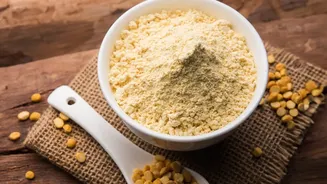
The journey to perfect Suralichi Vadi begins with a flawless, lump-free batter. The core ingredients are simple: gram flour (besan) and buttermilk or a mixture of yogurt and water. The ratio is critical; typically, it's one part gram flour to two or two-and-a-half
parts liquid. Using slightly sour yogurt can impart a more authentic, tangy flavor. To achieve a silky-smooth consistency, many experts recommend sifting the gram flour before mixing to eliminate initial lumps. Then, gradually whisk in your liquid—buttermilk, ginger-green chilli paste, turmeric, and salt. Using a whisk, or even an immersion blender, ensures there are absolutely no lumps, which is non-negotiable for the delicate final texture. A smooth batter is the essential first step; any lumps at this stage will be impossible to remove later.
The Crucial Cook: Perfecting the Timing
Cooking the batter is where timing becomes everything. This is arguably the trickiest part of the entire process. The batter must be cooked, stirring continuously, over a medium-low flame in a heavy-bottomed or non-stick pan to prevent sticking and ensure even cooking. As you stir, the batter will transform from a thin, watery liquid to a thick, glossy paste that starts to pull away from the sides of the pan. This process can take anywhere from 10 to 15 minutes. The key is to know exactly when it's done. Overcooking will make the batter too thick to spread, while undercooking will result in rolls that are sticky and won't hold their shape. The definitive method to check for doneness is the plate test: spread a small spoonful of the hot batter on a plate, let it cool for about 30-40 seconds, and try to roll it. If it peels off cleanly and forms a roll, your batter is ready.
The Race Against Time: Spreading and Rolling
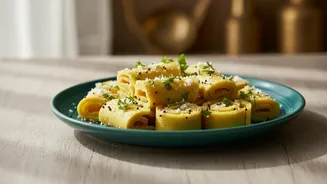
Once your batter has reached the perfect consistency, you must act fast. The mixture sets very quickly as it cools, so the spreading process needs to be swift and efficient. Have your work surfaces ready before you even finish cooking. The back of steel plates (thalis), a clean countertop, or large trays are all suitable surfaces. It’s generally recommended not to grease the surfaces, or to use very minimal oil, as it can sometimes make spreading more difficult. Pour a ladleful of the hot batter onto your surface and use a spatula to quickly spread it into a thin, even layer. The thinner the layer, the more delicate the final rolls will be. Once spread, let it cool for a few minutes. You'll then cut the sheets into 1.5 to 2-inch wide strips. Gently and tightly roll up each strip to form the characteristic spirals.
The Finishing Touch: Tempering and Garnishing
The final step that elevates Suralichi Vadi from a simple roll to a flavourful masterpiece is the tempering, or tadka. This is a non-negotiable step that adds a burst of flavour and aroma. Heat a small amount of oil in a pan and add mustard seeds. Once they begin to crackle and pop, you can add other ingredients like sesame seeds, asafoetida (hing), and curry leaves. Some recipes also include slit green chillies for an extra kick. Pour this hot, fragrant tempering evenly over the arranged rolls. The final flourish is a generous garnish of freshly grated coconut and finely chopped coriander leaves, which adds texture, freshness, and visual appeal. This combination of the soft, savoury roll and the crunchy, aromatic topping is what makes the dish so irresistible.