




Rethinking the ‘Overrated’ Label
Search any travel forum and you'll find conflicting reports on Egypt. One person describes it as the most amazing trip of their life, while another calls it stressful and overwhelming. The difference almost always comes down to preparation and mismatched
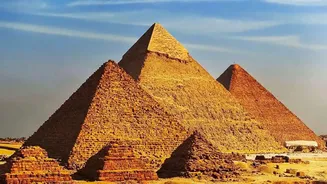
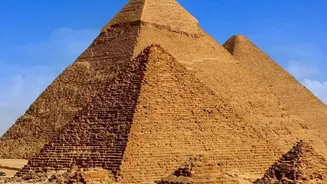
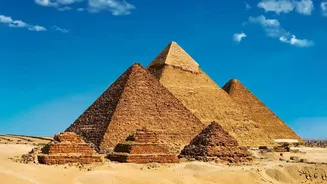
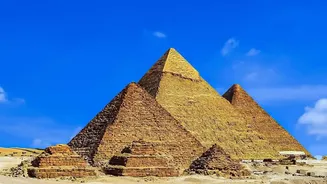
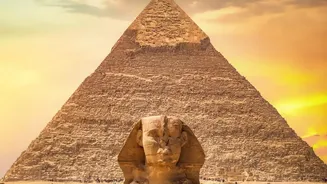
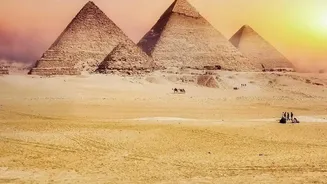
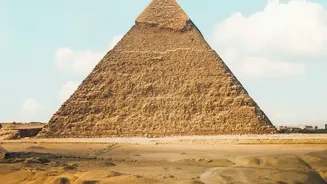
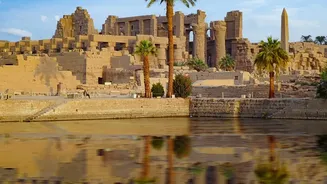
expectations. The classic tourist trail—Giza, Karnak, a packed Nile cruise—can indeed be intense. The heat, the crowds, and the persistent vendors are real challenges. But labeling an entire country with millennia of history as "overrated" because of crowds at its most famous landmarks is like judging a gourmet meal by the queue outside the restaurant. For travelers who prefer quiet discovery over ticking off a checklist, the key isn't to skip Egypt, but to approach it with a smarter strategy.
Mastering the Art of Timing
The single biggest factor you can control is when you go. First, consider the time of year. The peak season runs from roughly October to February, when the weather is mildest, but the crowds are thickest. The summer months of June through August are scorching, which naturally thins the crowds but can be physically demanding. The sweet spots are the shoulder seasons: March-April and September-November. During these months, you get more manageable temperatures and fewer tourists. Spring can bring the 'khamseen', a hot sand wind, so autumn is often considered the ideal window. Just as important is the time of day. Most large tour groups visit major sites like the Giza Pyramids or the Karnak Temple between 10 a.m. and 2 p.m. By arriving right at opening time or visiting in the late afternoon, you can experience these wonders in relative peace. For some sites, like Abu Simbel, staying overnight nearby allows you to visit at sunrise before the convoys of day-trippers arrive.
Beyond the Famous Few
The greatest reward for the independent-minded traveler lies beyond the main attractions. Egypt is littered with breathtaking sites that see only a fraction of the visitors. Instead of jostling for space at Giza, consider a day trip to Saqqara and Dahshur. Here you can see the Step Pyramid of Djoser, the very first pyramid, and even enter the Bent and Red Pyramids, often with few other people around. In Luxor, while everyone heads to the main Valley of the Kings, the nearby Tombs of the Nobles feature incredibly preserved paintings depicting vibrant scenes of daily life, offering a different, more personal glimpse into the past. Further afield, the temples of Dendera and Abydos are masterpieces of ancient art and architecture. Dendera, one of the best-preserved temple complexes in all of Egypt, is famous for its stunning astronomical ceiling. Because they require a longer day trip from Luxor, many tour itineraries skip them, making a visit a much more tranquil and rewarding experience.
Setting Yourself Up for Success
A successful trip to Egypt is also about mindset and practical preparation. Accept that 'baksheesh' (tipping) is a part of the culture for small services. When dealing with vendors in markets like Khan Al-Khalili, be polite but firm; a simple "la, shukran" (no, thank you) is usually effective. Don't try to cram too much into your itinerary. Egypt is a destination that demands to be absorbed, not just seen. Build in downtime, whether it's relaxing on a felucca sailboat in Aswan or enjoying a mint tea at a cafe in Cairo. Consider hiring a qualified, independent guide for key sites. A good guide not only provides invaluable historical context but also acts as a cultural bridge, helping you navigate interactions and keeping touts at bay, which significantly reduces stress.