

Your Digestive System on Standby
Whether you've been fasting for religious reasons, intermittent health trends, or medical necessity, your digestive system enters a resting state. During a fast, the production of digestive enzymes decreases, and the rhythmic muscle contractions that
move food through your gut, known as the migrating motor complex (MMC), slow down. This 'housekeeping' mode is great for cellular repair, but it means your gut is not prepared for a sudden, heavy workload. Think of it as an office that has been quiet all day; you can't expect the staff to handle a massive, unexpected project in minutes without some chaos.
The Shock of Spicy Foods
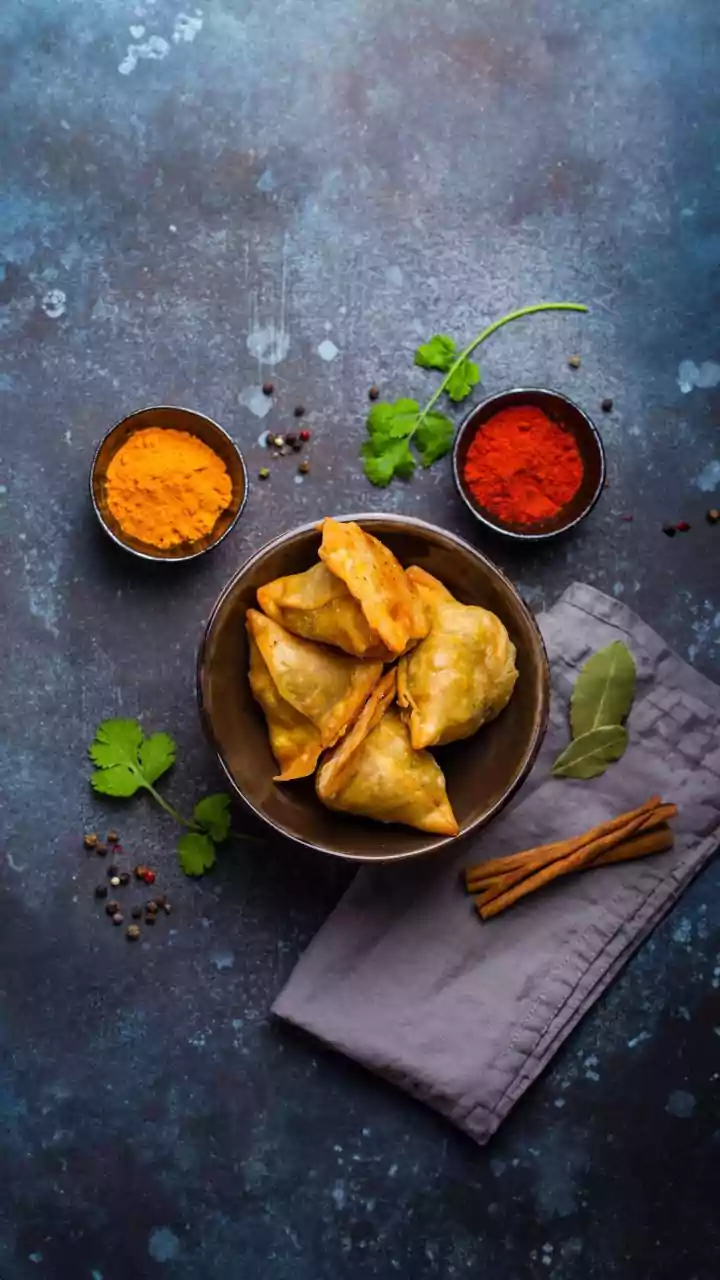
Spicy dishes, beloved in many Indian households, get their heat from a compound called capsaicin. On a normal day, food in your stomach acts as a buffer, diluting capsaicin and protecting your stomach lining. But when you break a fast, capsaicin makes direct contact with this sensitive lining. This can trigger a burning sensation, increase stomach acid production, and lead to painful heartburn or acid reflux, especially for those prone to acidity or GERD. The irritation can also speed up intestinal movement, leading to cramps and diarrhoea as your body tries to process the shock.
The Trouble with Fried Foods
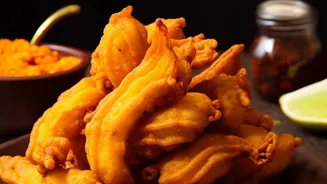
Similarly, fried foods like samosas, vadas, or bhajis are a common but unwise choice for breaking a fast. These foods are high in fat, which is the most difficult nutrient for the body to digest. When your system is already in a rested state with fewer active enzymes, a sudden influx of fat forces it to work overtime. This can significantly slow down stomach emptying, causing food to sit in your stomach for longer than it should. The result is that heavy, bloated feeling, along with gas and nausea that can ruin your post-fast experience.
How to Break Your Fast Comfortably
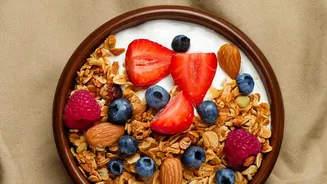
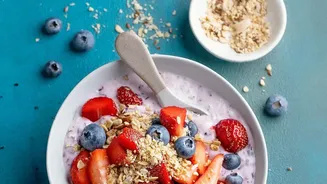
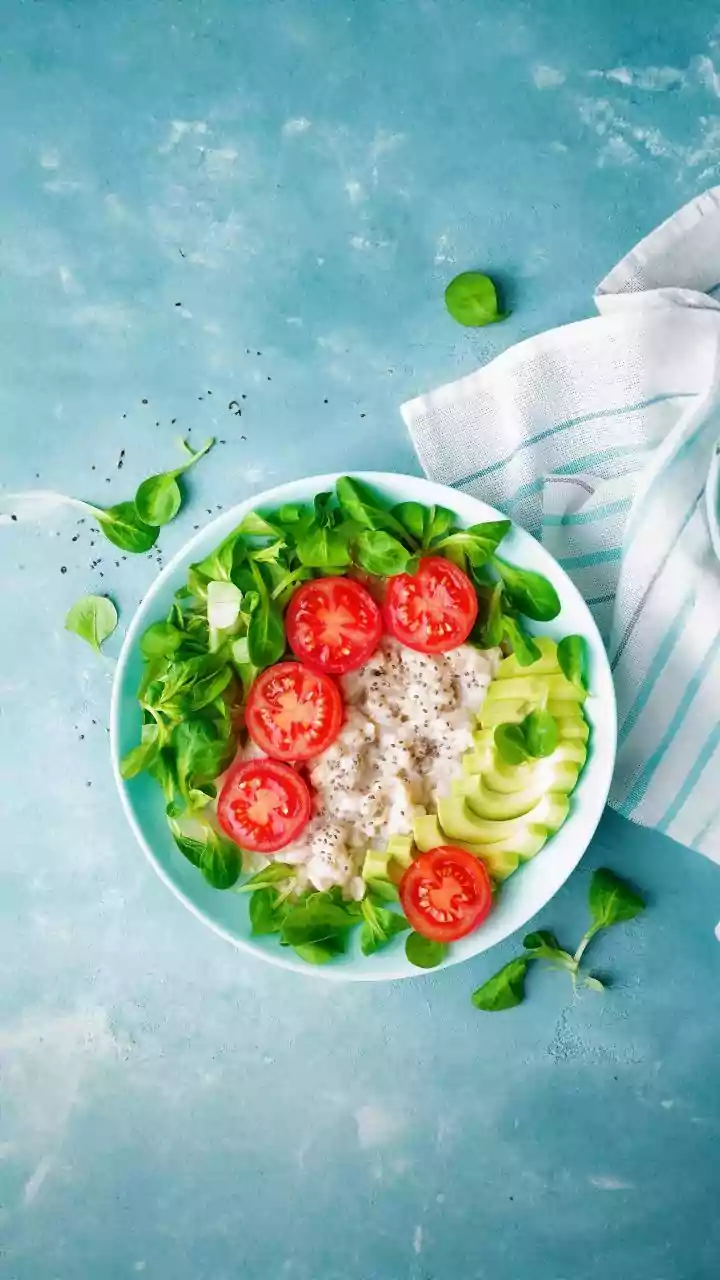
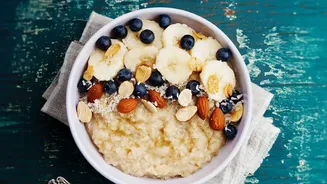
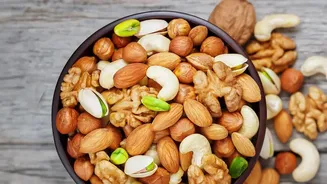
The key to a comfortable post-fast meal is to be gentle and gradual. Your primary goal should be rehydration and providing easily digestible nutrients. Start with fluids like water, coconut water, or a light, unsweetened fruit juice. Traditional choices like dates are excellent as they provide natural sugars for a quick, gentle energy boost along with fibre. A small bowl of soup or broth is another fantastic option, as it hydrates and provides nutrients without overwhelming your system. For your first small meal, think soft and simple. Cooked vegetables like carrots and zucchini, a small portion of yoghurt, or a few soaked nuts are great choices.
Planning Your First Full Meal
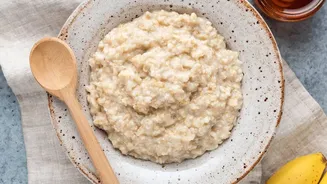
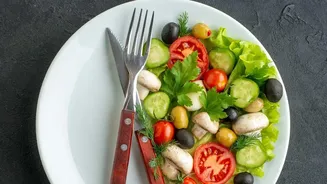
After about an hour or two of rehydrating and eating a small, gentle snack, your body will be better prepared for a more substantial meal. Even then, it's wise to keep it balanced and moderate. Focus on lean proteins, healthy fats, and complex carbohydrates that are easy on the gut. Think of a small portion of khichdi, a simple dal with soft-cooked rice, or a steamed or boiled preparation of fish or chicken. Avoid anything excessively oily, spicy, or loaded with refined sugar for at least a few hours. This phased approach allows your digestive system to 'wake up' properly and handle food without distress.