







India's Natural Climate Shield
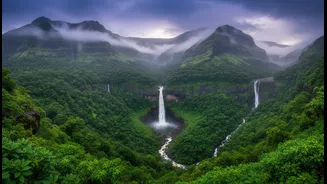
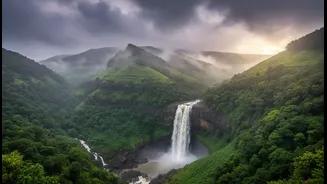
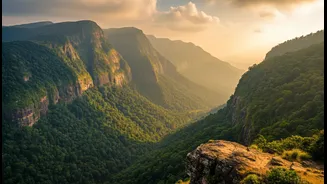
Stretching over 1,600 kilometres along India's west coast, from Gujarat to Tamil Nadu, the Western Ghats are more than just a mountain range; they are a critical life support system for peninsular India. A UNESCO World Heritage site, this chain of mountains
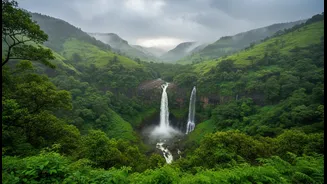
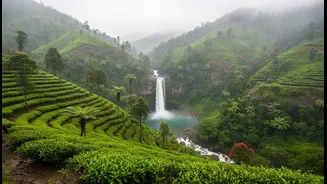
is one of the world's eight 'hottest hotspots' of biological diversity, hosting thousands of species of plants and animals found nowhere else on Earth. Their most significant role, however, is climatic. The Ghats act as a formidable barrier to the moisture-laden southwest monsoon winds blowing from the Arabian Sea. As these winds are forced to rise, they cool, release immense amounts of rain along the western slopes, and influence weather patterns across the entire country. This process is not only the engine of the monsoon but also a key source for major river systems like the Godavari, Krishna, and Kaveri, which support agriculture and provide water for millions.
How an Ecosystem Fights the Heat
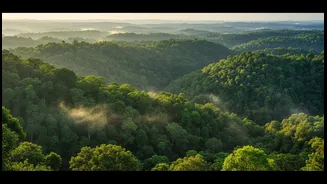
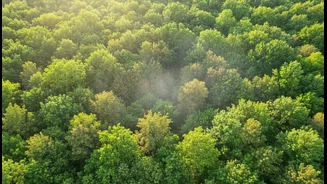
The Western Ghats offer several defence mechanisms against rising temperatures. The dense forest cover acts as a massive carbon sink, absorbing atmospheric carbon dioxide and storing it, which helps mitigate the primary driver of global warming. A recent study by the Indian Institute of Tropical Meteorology highlighted that the Ghats could become one of India's strongest natural carbon sinks by 2100, a finding that underscores their long-term importance. Furthermore, the forests play a direct role in cooling the landscape. Through a process called evapotranspiration, the vegetation releases water vapour into the atmosphere, which has a cooling effect, moderates local temperatures, and contributes moisture for rainfall further inland. This natural air conditioning provides a vital buffer, offering relief from the scorching pre-monsoon heat and creating cooler microclimates that are essential for both people and wildlife.
A Shield Under Pressure
Despite these natural advantages, the Ghats are not invincible. The sheer intensity of modern heatwaves, compounded by humidity, is creating conditions that push ecosystems and human bodies to their limits. Scientists warn that India is entering an era of complex heat risk, where it's not just about high temperatures but also about high humidity, warm nights, and the prolonged duration of heat events. A Cambridge University study noted that the 2022 heatwaves made nearly 90% of Indians more vulnerable to health issues and food shortages. While the Ghats can moderate local climates, they cannot entirely offset the large-scale atmospheric changes driving these continental heat domes. Research shows that while increased CO2 and rainfall might boost plant growth, extreme heat has the opposite effect, suppressing productivity and stressing the ecosystem. So, while the Ghats can help, they are fighting an uphill battle against an escalating global crisis.
When the Protector Needs Protection
The greatest paradox is that the Western Ghats themselves are under severe threat. Decades of deforestation, illegal mining, quarrying, and unplanned urbanisation have fragmented this once-contiguous forest landscape. Studies have shown significant loss of evergreen forest cover over the years, replaced by agriculture and settlements. This degradation directly undermines the Ghats' ability to regulate the climate. Fewer trees mean less carbon sequestration, reduced moisture in the air, and a weakened monsoon. Climate change is creating a dangerous feedback loop: rising temperatures and erratic rainfall threaten to alter the very composition of the forests, with some studies projecting that evergreen forests could shrink while drier thorn forests expand. This shift would compromise water security and the region's overall ecological stability, weakening our best natural defence at the very moment we need it most.