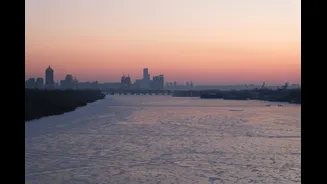




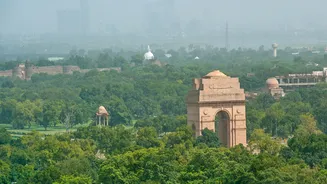
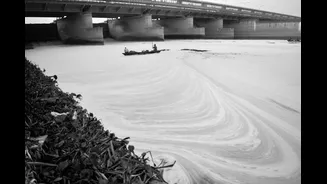
For years, the Yamuna in Delhi has been synonymous with pollution. Now, a new initiative is trying to change that narrative. A recent trial of a river cruise service offers a tangible peek at a future where the river is a hub for tourism.
The First Glimpse: What is the 'Namo Yamuna' Safari?
On October 26,
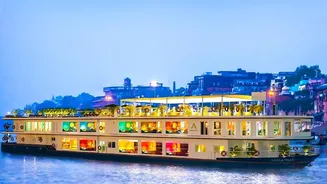
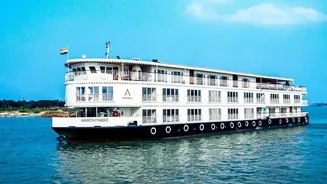
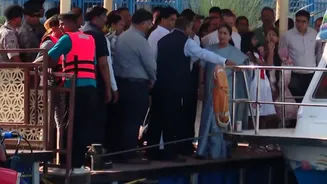
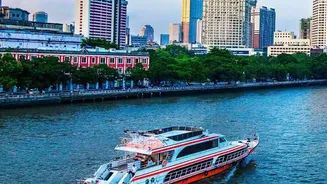
trial runs for the 'Namo Yamuna – River Safari' officially began, marking a significant step in Delhi's riverfront development plans. The service involves an eco-friendly, electric-solar hybrid boat designed to carry around 30 passengers. The trial route covers an approximately 5-kilometre stretch between Sonia Vihar and Jagatpur in the cleaner, upstream section of the river. A round trip is expected to last about 40 minutes and is priced at ₹500 per person. Officials, including Delhi's Chief Minister, inspected the vessel, which is equipped with safety jackets, a public announcement system, and bio-toilets. These trial runs are scheduled to last for about a week before a formal inauguration, which the government hopes to complete before the Chhath festival.
A Broader Vision for the Riverfront
The cruise is just one component of a much larger vision to rejuvenate the Yamuna's floodplains. The Delhi Development Authority (DDA), in collaboration with several other agencies like the Inland Waterways Authority of India (IWAI), is spearheading the Yamuna Riverfront Development Project. The overarching goal is to transform a 22-km stretch from Wazirabad to Okhla into a vibrant public space. Plans include not only the cruise but also developing parks, walkways, cycling tracks, and dedicated zones for sports and cultural activities. In some areas, the project aims to create recreational hubs complete with food parks, kids' zones, and even a musical fountain, turning the riverbank into a family-friendly destination. The entire initiative is part of a broader effort to promote inland waterways for transport and tourism, with the Delhi-Prayagraj stretch of the Yamuna being designated as National Waterway 110.
Navigating Significant Challenges
While the vision is ambitious, the project faces formidable hurdles. The most obvious challenge is the Yamuna's severe pollution, particularly in the 22-kilometre stretch between Wazirabad and Okhla, which has often been described as ecologically dead. Critics argue that launching tourism projects before comprehensively cleaning the river is a misguided priority. Environmentalists and opposition parties have voiced concerns that such initiatives could be mere 'gimmicks' if the fundamental issue of water quality is not addressed. Beyond pollution, there are logistical challenges. The river's water level fluctuates dramatically, especially during the summer, which could make navigation difficult for cruise vessels. Ensuring a minimum ecological flow and depth year-round is a complex task that authorities must solve for the service to be sustainable.
Potential and The Path Forward
Proponents of the project believe it could be a catalyst for change. They argue that creating recreational and economic stakes in the river will increase public pressure and political will to accelerate cleanup efforts. The project is expected to create new employment opportunities and offer a much needed green recreational space for the citizens of Delhi. Authorities state that all development is being done in compliance with National Green Tribunal (NGT) guidelines to protect the floodplain's sensitive ecology. The memorandum of understanding signed between IWAI and various Delhi government departments in March 2025 laid the groundwork for this collaborative effort. The success of this trial run is a critical first step. The next phase involves a formal launch and then scaling up operations, which will depend heavily on concurrently advancing the river's cleaning and restoration.