



The Science of Soggy Veggies
Understanding why frozen vegetables often turn soft is the first step to preventing it. When vegetables are frozen, the water inside their cells expands and forms ice crystals. These sharp crystals can puncture and damage the cell walls. When the vegetables are cooked,
this damaged structure can't hold its shape, causing water to leak out and resulting in a soft, often watery, texture. The goal, therefore, is to cook them in a way that rapidly removes this excess moisture, preserving as much of their original firmness as possible. Many frozen vegetables are also blanched (briefly boiled) before freezing, which means they are already partially cooked and require less time on the heat.
The Golden Rule: Cook From Frozen
It may seem counterintuitive, but for most cooking methods, you should never thaw your vegetables first. Thawing allows the ice to melt slowly, releasing water and leaving the vegetables limp before they even hit the pan. Cooking them straight from the freezer allows the high heat to evaporate the ice and surface moisture quickly, which is crucial for achieving a firmer, more pleasant texture. Simply remove them from the bag, shake off any large ice crystals, and you're ready to go.
Roasting: The Path to Crispy Perfection
Roasting is one of the best methods for transforming frozen vegetables into a delicious, caramelised side dish. The key is high, dry heat. Preheat your oven and your baking sheet to a high temperature, around 220-230°C (425-450°F). Tossing the hot pan in the oven first helps the vegetables sizzle immediately, preventing them from steaming. Coat the frozen vegetables in oil, season them well, and spread them in a single, uncrowded layer on the hot sheet. Overcrowding the pan will trap steam and lead to sogginess. Roast for 15-25 minutes, tossing them halfway through, until the edges are brown and crispy.
Stir-Frying: Fast, Hot, and Firm
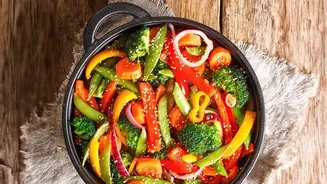
For a quick and crisp result, stir-frying is an excellent choice. Success depends on a very hot pan or wok. High heat ensures that the moisture from the frozen veggies evaporates almost instantly. Some chefs even recommend a 'dry-fry' method, where you add the frozen vegetables to a hot, dry pan for a few minutes to cook off the excess water before adding any oil. Once the moisture has evaporated, you can add your oil and aromatics like garlic and ginger. Keep the vegetables moving and cook for just a few minutes until they are tender-crisp. As with roasting, avoid overcrowding the pan; cook in batches if necessary.
Steaming: A Healthier, Gentler Approach
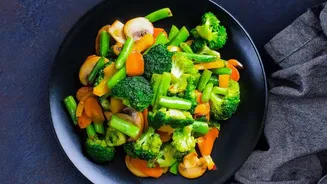
While boiling is often a direct path to mushy vegetables, steaming offers a much better alternative. Steaming cooks the vegetables with indirect moist heat, which is gentler on their structure and helps retain more nutrients, colour, and texture compared to boiling. The trick is to ensure the vegetables sit in a steamer basket above the simmering water, not touching it. Cover the pot and steam for just a few minutes — small vegetables like peas and corn may only need 2-5 minutes. Be careful not to overcook, as they can still turn soft if left for too long.
The Air Fryer Advantage
The air fryer has become a popular tool for achieving maximum crispiness with minimal effort, and it works wonders on frozen vegetables. The appliance circulates hot air rapidly, creating a texture similar to roasting but often faster. Just like with oven roasting, you should cook the vegetables directly from frozen. A light coating of oil and your favourite spices is all you need. Place them in the air fryer basket in a single layer and cook at a high temperature, shaking the basket halfway through to ensure even cooking. The result is vegetables that are evenly browned and delightfully firm.