


The Nutritional Power of Ragi
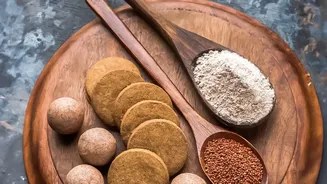
Ragi, or finger millet, has been a staple in Indian households for generations, and for good reason. It's a nutritional powerhouse, especially for growing children. Ragi is one of the best plant-based sources of calcium, crucial for developing strong
bones and teeth. It's also packed with iron, which helps in maintaining healthy hemoglobin levels, preventing anemia and keeping energy levels stable. Unlike refined grains that can cause sugar spikes and crashes, the complex carbohydrates in ragi provide sustained energy, keeping kids focused and active throughout the day. Furthermore, its high dietary fiber content aids digestion and prevents constipation, a common issue for little ones. Rich in protein and essential amino acids, ragi supports muscle growth and overall development, making it a truly valuable addition to a child's diet.
From Traditional Porridge to Kid-Friendly Pancakes
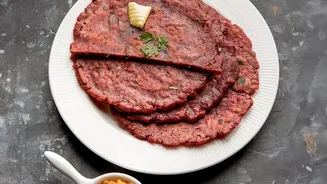
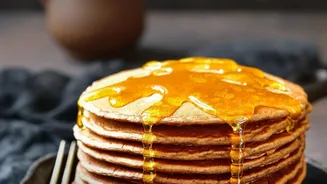
While ragi has traditionally been consumed as porridge or rotis, these formats aren't always a hit with today's kids, who are often drawn to more modern breakfast options. This is where the simple genius of ragi pancakes comes in. The pancake is a universally loved format, familiar and comforting to children. By incorporating ragi flour into a pancake batter, parents can introduce this superfood without the struggle. The dark color and earthy taste of ragi are mellowed by other ingredients, and the final product looks and feels like a treat. It’s a seamless way to bridge the gap between ancestral wisdom and the modern child's palate, serving up health in a form they will eagerly devour.
A Simple Blueprint for Ragi Pancakes
Making ragi pancakes is surprisingly simple. You don't need a rigid recipe, but rather a flexible blueprint. Start with ragi flour, but consider mixing it with a binder like whole wheat flour or a small amount of refined flour to achieve a lighter texture. For natural sweetness without refined sugar, mashed ripe bananas are a fantastic addition, also lending moisture to the batter. Other natural sweeteners like jaggery powder or date paste work beautifully as well. An egg can be used for binding and richness, while a pinch of baking powder or soda will help make the pancakes fluffy. Combine your dry ingredients first, then whisk in the wet ingredients like milk or buttermilk until you have a smooth, pourable batter that's slightly thicker than a regular dosa batter. Let the batter rest for about 10-15 minutes; this is a key step for achieving a softer, fluffier result.
Cooking Tips and Fun Toppings
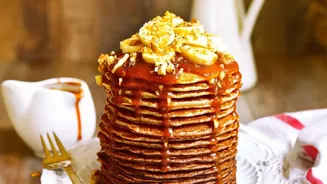
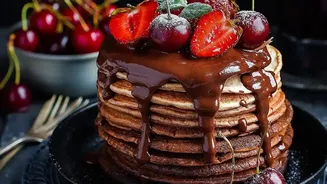
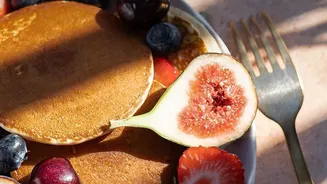
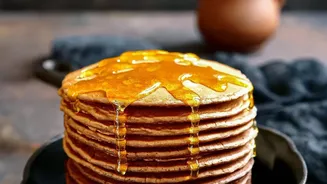
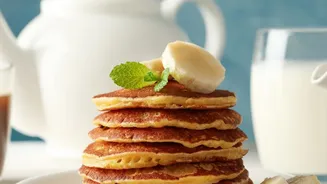
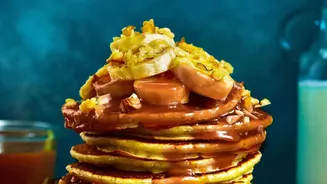
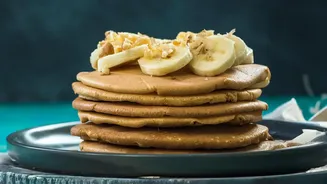
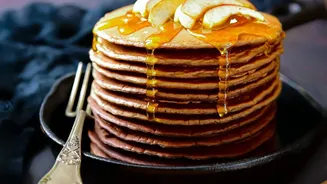
To cook the pancakes, heat a non-stick pan over medium heat and grease it lightly with ghee or butter. Pour a ladle of batter onto the pan, keeping the pancakes small for easier flipping. Cook until you see bubbles forming on the surface and the edges look dry, which usually takes about two minutes. Flip carefully and cook the other side for another minute or so until golden brown. Don’t overmix the batter, as this can make the pancakes dense rather than fluffy. The best part is the presentation. Serve the warm pancakes with a drizzle of honey or maple syrup. Fresh fruits like berries, sliced bananas, or mango add a burst of color and vitamins. You can even get creative by arranging the fruit into smiley faces. Involving kids in choosing their toppings can make them even more excited to eat their healthy breakfast.