




The Inward Journey: Yoga For Mindful Peace
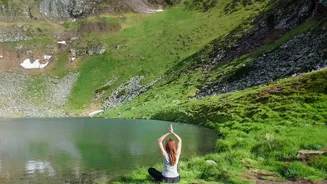
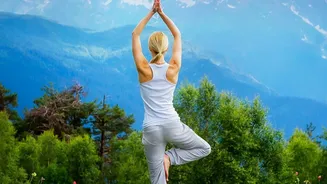
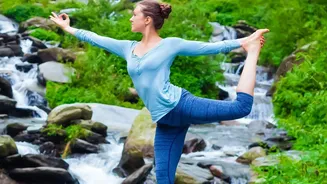
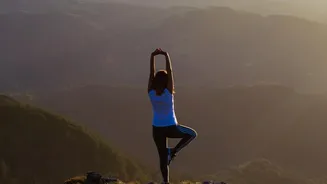
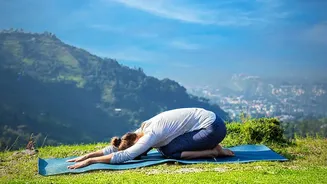
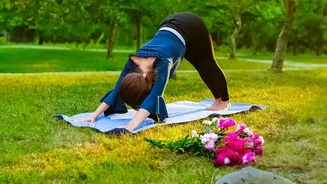
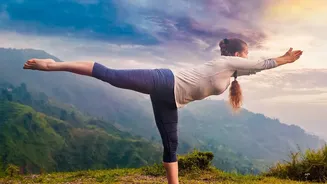
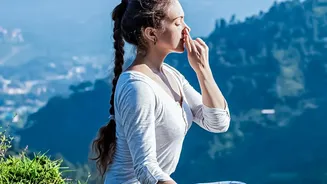
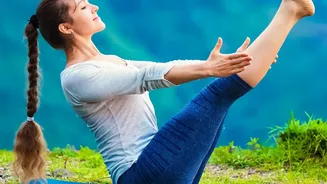
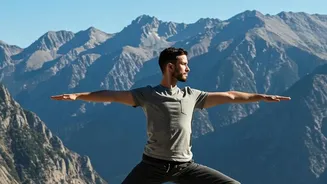
Yoga is an ancient practice revered for its ability to foster a deep connection between mind and body. Its primary strength as a stress reliever lies in its emphasis on mindfulness, breath control (pranayama), and physical postures (asanas). This combination
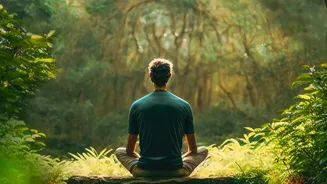
creates a state of deep relaxation that directly counteracts the body's stress response, helping to lower levels of cortisol, the primary stress hormone. The rhythmic flow of movement becomes a form of meditation, quieting the endless chatter of the mind and promoting a sense of inner peace. The practice encourages a non-judgmental awareness of your thoughts and feelings, which can reduce their intensity and lead to greater emotional stability. By focusing on the present moment, yoga helps you detach from anxieties about the past or future, cultivating a calm and centered state of being.
The Outward Exploration: Trekking For Scenery
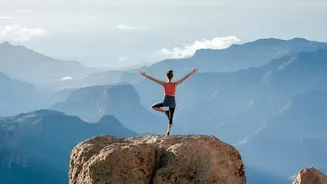
Trekking offers a completely different, yet equally potent, form of stress relief. It is an escape into the grandeur of nature, where the focus shifts from internal states to the external world. The physical exertion of hiking releases endorphins, the body's natural mood enhancers, which create a positive feeling and reduce the perception of pain. More than just a workout, being in nature has been shown to have profound effects on mental well-being. Immersion in natural environments—the sights, sounds, and smells of a forest or mountain trail—can calm the nervous system, lower blood pressure, and reduce mental fatigue. This concept, sometimes called 'forest bathing', is linked to reduced rumination and anxiety. The physical challenge of navigating a trail also builds resilience and self-confidence, while the scenic vistas provide a sense of awe and perspective that can make personal worries seem smaller.
Focus and Mindset: Internal Stillness vs. External Awe
The core difference between the two lies in their approach to mindfulness. Yoga cultivates an inward focus. It asks you to pay close attention to the subtleties of your breath, the alignment of your body, and the flow of thoughts across your mind, all typically within the confines of a mat. The goal is to build awareness from the inside out, achieving peace through internal self-regulation. Trekking, on the other hand, encourages an outward mindfulness. Your attention is naturally drawn to your surroundings: the placement of your feet on an uneven path, the sound of birds, the expansive view from a ridge. This immersion in nature provides a powerful distraction from cyclical negative thoughts and grounds you in the present moment through sensory experience. It replaces mental clutter with the simple, tangible reality of the trail ahead.
Practicality: The Mat or The Mountain
From a logistical standpoint, the two activities present a clear trade-off. Yoga is highly accessible. It can be practised almost anywhere with minimal equipment—a mat is helpful but not always necessary. You can join a local class, follow an online video at home, or simply move through a few postures on your own. This makes it easy to integrate into a daily or weekly routine, regardless of weather or location. Trekking requires more planning and commitment. It involves travel to a suitable trail, appropriate gear such as sturdy footwear and weather-appropriate clothing, and a larger block of dedicated time. While a short walk in a local park offers benefits, a true trek is a more significant undertaking. This can make it a special, rejuvenating event rather than a regular habit.
How to Choose Your Ideal Outlet
Choosing between yoga and trekking depends entirely on your personality and what you need from a stress-relieving activity. If you are seeking to quiet your mind, improve flexibility, and build a consistent practice you can do anywhere, yoga is an excellent choice. It is ideal for those who are drawn to introspection and controlled, mindful movement. If you feel cooped up, overwhelmed by your own thoughts, and crave a change of scenery, trekking might be the perfect antidote. It suits those who find peace through physical challenge, exploration, and the therapeutic effects of being in nature. The cardiovascular workout is an added bonus for overall health. Ultimately, the two are not mutually exclusive; in fact, they complement each other beautifully. A regular yoga practice can build the strength, balance, and breath control needed for challenging hikes.