






From Peanuts to Platters
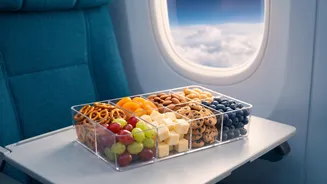
The concept is simple yet visually impressive: travelers are using fishing tackle boxes (food-safe versions, of course) or large bento-style containers to create a personal, portable feast for their journey. These 'snackle boxes' are meticulously packed
with a variety of treats, turning a cramped economy seat into a private grazing station. Viral videos on platforms like TikTok show creators filling up to 18 individual compartments with everything from gummy candies and chocolates to crackers, cheeses, and nuts. The trend, which has been around since at least 2022, exploded in popularity as a clever way to bypass expensive and often underwhelming airport food options.
The Allure of the Abundant Snack
So, why has this become a travel sensation? For many, it's a practical hack that saves both time and money. By preparing snacks in advance, travelers can avoid inflated airport prices and the disappointment of limited in-flight options. It offers a sense of control and comfort in the often chaotic and restrictive environment of air travel. Parents have found it to be a lifesaver for keeping children entertained and fed on long journeys, with themed boxes adding an element of fun. Beyond the practical, there's a psychological appeal. Curating and organizing the perfect snack box is a satisfying activity in itself, and it provides a customizable menu to satisfy any craving at 30,000 feet. It’s a small act of rebellion that elevates a mundane travel day into a more personalized and enjoyable experience.
A Storm in a Snack Box
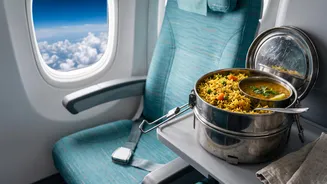
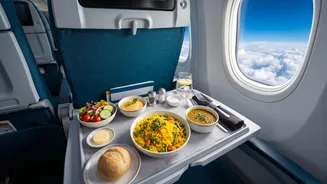
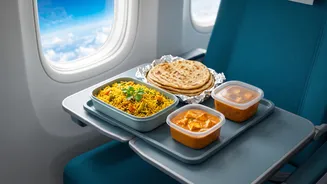
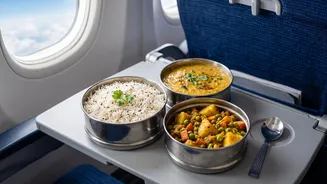
Not everyone is on board with this trend. As quickly as the 'snackle box' gained fans, it also attracted critics who raise valid points about in-flight etiquette. The main concerns revolve around courtesy in a shared public space. Strong-smelling foods, for instance, can be bothersome to fellow passengers in a confined cabin where scents linger. There are also debates about hygiene—using a non-food-grade tackle box or laying out a spread on a tray table of questionable cleanliness has drawn criticism. Others point to the potential for mess from crumbly or sticky snacks and the general disruption that can come from a full-scale meal service in a single seat. A recent viral video of a family creating a large meal of samosas and dhoklas on an IndiGo flight sparked a similar debate, with many arguing that a plane is not a personal dining hall.
More Than Just a Meal
The 'snackle box' phenomenon is more than just a food trend; it's a reflection of our current cultural moment. It taps into the desire to optimize every experience and share it aesthetically on social media. Much like the 'egg flight' and 'tomato flight' trends that also went viral on TikTok, it’s about taking something simple and elevating it into a visually appealing 'moment'. It’s a form of 'main character energy' for the travel-weary, allowing individuals to exert control and curate a better experience for themselves. While some see it as an ingenious solution to the woes of modern travel, others view it as a symptom of declining public etiquette, where individual desires are prioritized over communal consideration. The debate itself highlights the tension between personal comfort and shared responsibility that defines so much of public life.