

The Blueprint for Printed Food
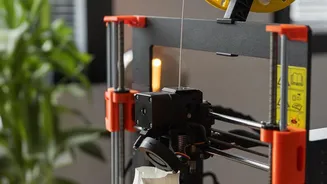
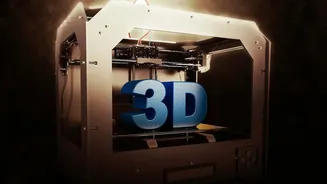
At its core, 3D food printing works much like its plastic-printing counterpart. A digital design is sent to the printer, which then builds a three-dimensional object layer by intricate layer. Instead of plastic filament, however, the printer uses edible
'inks'—paste-like materials made from food ingredients. The most common method is extrusion, where a syringe-like container pushes the food paste through a nozzle to create precise shapes, textures, and structures that would be difficult or impossible to make by hand. This technology has already been used to create everything from complex chocolate sculptures and custom pasta shapes to plant-based meat alternatives.
Introducing the Microbite Cookie
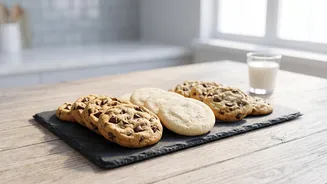
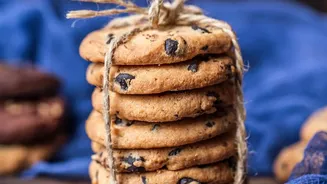
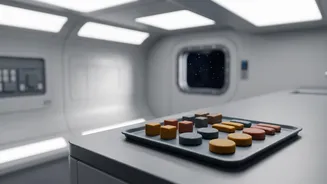
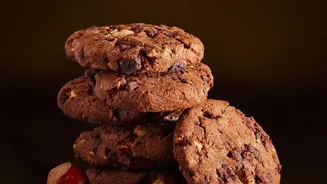
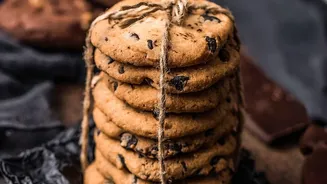
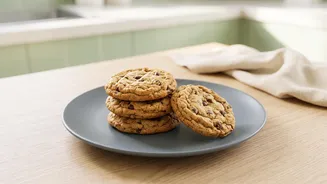
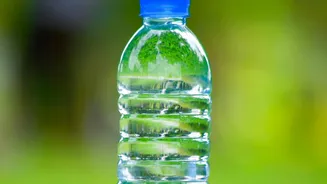
The 'Microbite' or 'µBite' cookie is a new prototype developed by researchers at Southern Illinois University Carbondale. This isn't just a novelty snack; it's part of a project, partially funded by NASA, exploring how to create nutritious, sustainable food in resource-limited environments like disaster zones or long-haul space missions. The process is a fascinating example of upcycling. Scientists take waste materials—specifically PET plastic from bottles and agricultural waste like corn stalks—and break them down chemically into their basic carbon components. They then feed these components to specially engineered yeasts, which act as tiny biological factories, converting the carbon into edible proteins, fats, and even flavor molecules like vanillin.
More Than a Cookie Dough
The material that comes from the yeast is a protein-rich biomass. To make it into a printable 'dough', researchers combine it with other ingredients like fibre, starch, and sweeteners. This mixture is then loaded into the 3D printer, which carefully extrudes it into the shape of a cookie. While the project has successfully demonstrated that this process works, the resulting µBites have not yet been tasted by humans, pending institutional safety approvals. However, initial aroma tests have been positive, with participants indicating a willingness to eat them in situations where normal food is scarce. The ultimate goal is to use microbes to produce all the cookie's components, making it a self-contained food production system.
The Promise of Personalised Nutrition
While making cookies from plastic is a headline-grabbing feat, the broader potential of 3D food printing lies in customisation. This technology allows for the precise control of a food's nutritional content. Imagine a future where your dinner is printed to meet your exact dietary needs for that day, based on data from a fitness tracker. It could provide meals with tailored levels of vitamins, minerals, and proteins, making personalised nutrition accessible to everyone. This has significant implications for healthcare, especially for people with specific dietary restrictions, allergies, or conditions like dysphagia (difficulty swallowing), as the printer can create soft, easy-to-eat foods that are still visually appealing.
Challenges on the Path to Your Plate
Despite its promise, 3D-printed food won't be replacing home ovens overnight. Several challenges remain. The range of printable ingredients is still limited to pastes and purees, and the printers themselves cannot yet cook the food, though some envision future models with integrated lasers for cooking. Furthermore, the technology is expensive, and production speed is slow compared to mass manufacturing. There are also hurdles related to food safety regulations, shelf life, and broad consumer acceptance. Getting people comfortable with the idea of eating printed food, especially from unconventional sources, will be a critical step before it can become a mainstream reality.