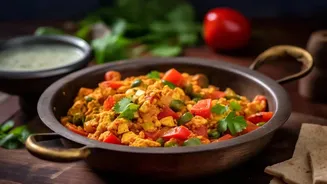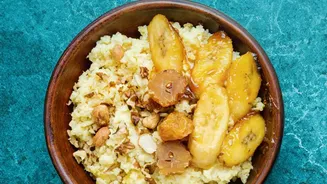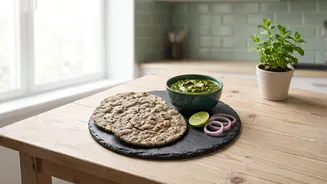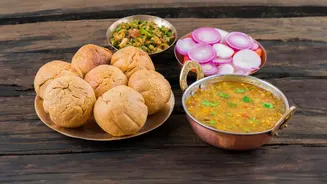




1. Millets (Jowar, Bajra, Ragi)
Once dismissed as “coarse grains,” millets are now celebrated as superfoods. For centuries, they were staples across India before the Green Revolution prioritized wheat and rice. Today, their comeback is driven by a powerful mix of health and sustainability.
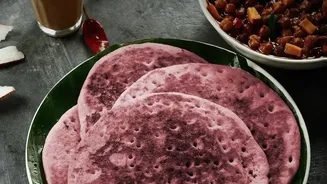
Millets like ragi, jowar, and bajra are naturally gluten-free, high in fibre, and have a low glycemic index, making them excellent for managing blood sugar. They are also climate-resilient crops, requiring less water than rice and wheat, which appeals to environmentally conscious consumers. From millet dosas and upma to breakfast bowls, they are being embraced for their versatility and nutritional punch.
2. Desi Ghee
After decades of being sidelined in favour of refined vegetable oils, desi ghee is back in its rightful place. Once blamed for being unhealthy, modern nutritional science and a renewed appreciation for tradition have highlighted its benefits. Ghee has a high smoke point (around 250°C), making it stable for high-heat Indian cooking like frying and tadkas, without breaking down into harmful compounds. It is also a source of fat-soluble vitamins like A, D, and E and contains butyrate, a fatty acid that supports gut health. The return of ghee is a move away from highly processed fats and a return to a natural, flavourful cooking medium that has been cherished in India for millennia.
3. Makhana (Fox Nuts)
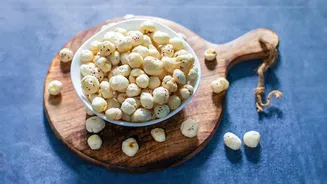
Makhana, or fox nuts, have transformed from a traditional fasting food into a mainstream healthy snack. These popped lotus seeds were always a part of Indian diets but have seen a massive surge in popularity as a guilt-free alternative to fried snacks. They are low in calories, naturally gluten-free, and rich in plant-based protein and essential minerals like magnesium and potassium. The modern twist comes from the variety of flavours now available, from simple rock salt to peri-peri and cheese, making them appealing to millennials and Gen Z. Their satisfying crunch and nutritional profile make them a go-to snack for office workers and health-conscious families alike.
4. Heirloom and Black Rice
For a long time, the Indian plate was dominated by polished white rice. Now, a movement to revive heirloom rice varieties is gaining ground. Varieties like West Bengal's Gobindobhog or the famed Kala Namak ('Buddha Rice') from Uttar Pradesh are being sought for their unique aromas and flavours. Black rice, in particular, is prized for its high antioxidant content (anthocyanins), which is also found in blueberries. These traditional grains are often unpolished, meaning they retain their nutrient-rich bran and germ, offering more fibre and minerals than their white counterparts. This revival supports agricultural biodiversity and farmers cultivating climate-resilient native seeds.
5. Jackfruit (Kathal)
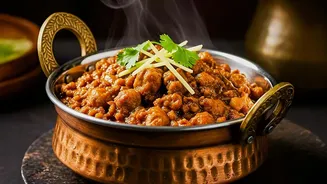
While jackfruit has been a part of Indian cuisine for centuries, it is now gaining new fame as a vegan meat substitute. When unripe, its fibrous, stringy texture wonderfully mimics that of pulled meat. Its neutral flavour allows it to absorb the spices of any dish, making it perfect for Indian curries, biryanis, and even tacos. As more people adopt plant-based diets, the demand for natural, unprocessed meat alternatives is growing, and jackfruit fits the bill perfectly. It is low in calories, high in fibre, and a good source of vitamins and potassium.
6. Amaranth (Ramdana/Chaulai)
Amaranth, known as ramdana or chaulai, is another ancient grain making a significant comeback. Technically a pseudocereal, it was a staple for ancient civilizations and is now celebrated for its incredible nutritional profile. Amaranth is a complete protein, containing all nine essential amino acids, and is also rich in iron, magnesium, and fibre. Like millets, it is gluten-free and has been used in Indian households for fasting. Today, it is used in everything from porridge and energy bars to being popped like corn for a light, nutritious snack. Its return is part of the larger movement towards nutrient-dense, indigenous grains.
7. Wood-Pressed Oils (Kachi Ghani)
Before refined oils became ubiquitous, Indian kitchens ran on 'kachi ghani' or wood-pressed oils. This traditional method involves extracting oil from seeds like mustard, sesame, or groundnut using a wooden press (ghani) without applying external heat. This gentle process ensures the oil retains its natural flavour, aroma, and most importantly, its nutrients, which are often lost during industrial refining. Health-conscious consumers are now driving a revival of these oils, seeking purity and avoiding the chemicals used in mass-produced oils. This trend is a conscious choice for better health and a nod to sustainable, age-old practices.