






What Happened in Nepal?
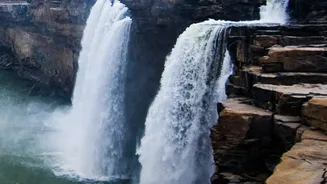
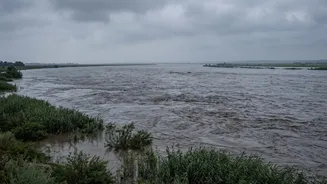
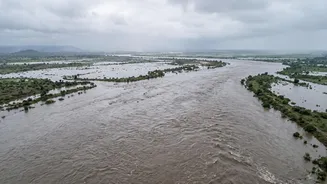
On August 26, a catastrophic flash flood occurred in Nepal, originating from a suspected glacial lake outburst or glacial collapse near the Tibet border. This event sent a massive surge of water, ice, and debris down the Bhote Koshi river. The Bhote Koshi flows
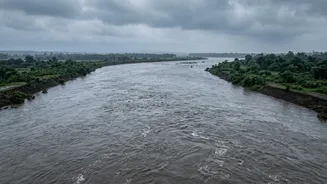
into the Trishuli river, which in turn joins the Kali Gandaki to form the Narayani river. This same Narayani river is known as the Gandak when it enters India, creating a direct link between the disaster in Nepal's mountains and the river plains of Bihar and Uttar Pradesh. The suddenness and severity of the flood, which caused immense damage and loss of life in Nepal, has necessitated urgent monitoring of the downstream impact.
Bihar on High Alert
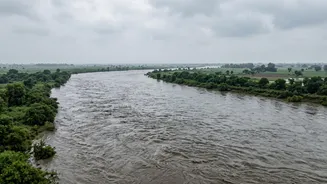
In response, Bihar has placed at least nine northern districts on high alert, anticipating rising water levels in the Gandak and Kosi rivers. The districts under intense watch include West Champaran, East Champaran, Gopalganj, Muzaffarpur, Sitamarhi, Sheohar, Madhubani, Supaul, and Khagaria. The state's Water Resources Department has taken immediate precautionary measures, including opening all 36 gates of the Valmikinagar Barrage on the Gandak river in West Champaran to manage the expected increase in water flow. Authorities have cancelled leave for engineers and field personnel, and teams are conducting round-the-clock surveillance of embankments. Chief Minister Samrat Choudhary has conducted aerial surveys of the border areas, and the state administration is in constant communication with central agencies.
Uttar Pradesh Braces for Impact
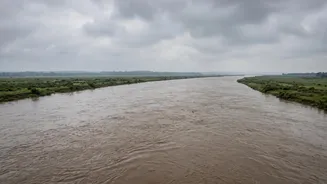
Neighbouring Uttar Pradesh is also on high alert, particularly in the border districts of Maharajganj and Kushinagar, which lie in the Gandak river basin. Chief Minister Yogi Adityanath has directed the local administrations in these districts to take all necessary precautions and maintain strict vigilance over the rising water levels in the Gandak and Narayani rivers. The primary concern is the sudden influx of water from Nepal, which could cause these rivers to swell and threaten low-lying areas. To bolster preparedness, additional National Disaster Response Force (NDRF) teams have been deployed in Kushinagar, which is considered highly vulnerable due to its proximity to the Gandak.
A Coordinated Response
A multi-agency response is underway. The National Disaster Response Force (NDRF) and State Disaster Response Force (SDRF) have deployed numerous teams across vulnerable locations in both states. In Bihar, nine NDRF teams are stationed in flood-prone areas, with some specifically positioned in the Gandak basin districts of West Champaran and Muzaffarpur. Uttar Pradesh has 11 NDRF teams deployed for flood warning and response operations. Union Home Minister Amit Shah has spoken to the chief ministers of both states, assuring them of all possible help from the Centre. Constant monitoring of river gauges, barrage water levels, and embankments is being carried out by the Central Water Commission and state departments.
What Residents Should Do
For residents in the alerted districts, the official advice is to remain vigilant but not to panic. Authorities are using public announcement systems to warn people in low-lying villages, advising them to move to higher ground. In some of the most vulnerable areas, such as parts of West Champaran, evacuations to safer locations have already been carried out as a precaution. Citizens are urged to stay away from riverbanks and to follow instructions from local officials. It is crucial to rely on information from official sources like the district administration and disaster management authorities to avoid misinformation. People should prepare an emergency kit with essentials and be ready to move if an evacuation order is issued for their area.