



The Richness and Creaminess Trap
Let's be honest about risotto. When it's good, it’s sublime. The magic comes from starchy short-grain rice like Arborio, which releases its starches slowly as you stir, creating a velvety sauce with no cream required. Combined with butter, Parmesan cheese,
and a flavorful broth, you get a dish that is the very definition of comfort food. However, this magical combination of starch and fat can also be its downfall. Without a counterpoint, that luxurious creaminess can quickly coat the palate, making each bite less exciting than the last. A dish that starts as heavenly can end up feeling heavy, monotonous, and overwhelmingly rich, leaving you feeling weighed down rather than satisfied.
The Balancing Act: Acid Is Your Best Friend
In the world of cooking, balancing flavors is everything. Rich, fatty, and sweet foods often need a touch of acidity to cut through the heaviness and brighten the overall taste. Think of a squeeze of lime on tacos or a splash of vinegar in a hearty stew. Acid makes your mouth water, which helps cleanse the palate and makes every other flavor in the dish feel sharper and more defined. For a dish as rich as risotto, acidity isn't just a suggestion; it's essential. It provides a necessary contrast that lifts the entire dish, preventing it from feeling cloying. While a dry white wine added early in the cooking process provides a foundational layer of acidity, a final hit of freshness is what truly makes it sing.
Zest for Aroma, Juice for Brightness
This is where the lemon becomes a two-part secret weapon. Its zest and juice are not interchangeable; they perform two very different, crucial jobs. Lemon zest is the colorful outer peel, which is packed with fragrant essential oils. These oils are fat-soluble, meaning they infuse their bright, floral aroma beautifully into the butter and cheese in the risotto. Zest adds that incredible “lemony” smell and flavor without contributing significant sourness. Lemon juice, on the other hand, is all about acidity. It contains citric acid, which provides the sharp, tangy kick that cuts through richness. This is what provides the balance and makes the dish feel lighter and more vibrant. Using both gives you the full spectrum of the lemon: a deep, fragrant aroma from the zest and a clean, sharp finish from the juice.
Perfect Timing for Maximum Impact
When you add these two ingredients is just as important as using them. Lemon zest can be stirred in during the last minute of cooking or along with the cheese and butter at the end. Its oils need a moment of heat to bloom and release their fragrance into the dish. Fresh lemon juice, however, should always be added off the heat, right before serving. The volatile compounds that give fresh juice its bright, zesty flavor are delicate and can be cooked off or turn bitter if added too early. By stirring it in at the very end, you preserve all of its fresh, palate-cleansing power.
A Perfect Partner for Fresh Herbs
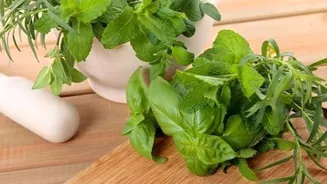
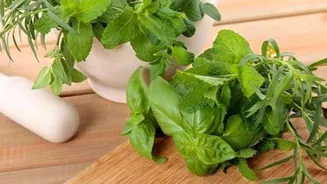
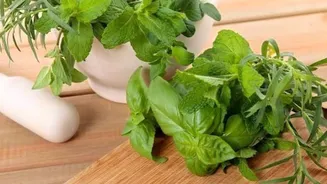
The brightness from the lemon also enhances the flavors of fresh herbs, making them pop. A creamy risotto is the perfect canvas for herbs like parsley, chives, basil, or dill. The lemon bridges the gap between the rich, savory base of the risotto and the green, fresh notes of the herbs. For example, the clean, peppery taste of parsley and the subtle oniony bite of chives are amplified by the citrus. The combination creates a dish with layers of flavor—creamy, rich, savory, aromatic, and bright all in one bite. You can experiment with different herbs; thyme or oregano also work wonderfully with lemon's vibrant character.