


The Unsung Heroes of the Indian Thali
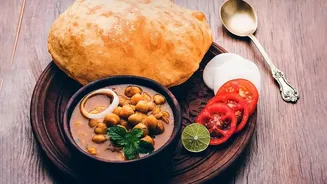
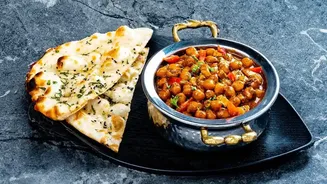
From a Sunday lunch of Rajma Chawal to a hearty bowl of Chana Masala, kidney beans (rajma) and chickpeas (chana) are deeply woven into India's culinary fabric. They are affordable, versatile, and, most importantly, incredibly nutritious staples. While
celebrated for their taste, their true power lies in their dense nutritional profile, which can significantly enhance the quality of our daily diet. These legumes are not just filler; they are foundational foods that provide essential macronutrients, making every meal they grace more wholesome.
Decoding the Protein Power
For vegetarians and anyone looking to increase their plant-based food intake, rajma and chana are exceptional sources of protein. A 100-gram serving of cooked rajma provides approximately 8.7 grams of protein, while cooked chana offers about 9 grams. This makes them comparable to other popular dals and a fantastic meat-free option. Protein is crucial for muscle repair, growth, and overall body maintenance. When rajma or chana is paired with a grain like rice or roti, it forms a 'complete protein', providing all the essential amino acids your body needs.
Fibre: The Gut's Best Friend
Fibre is a critical nutrient that many modern diets lack, but rajma and chana are packed with it. A 100-gram serving of cooked rajma contains about 6.4 to 7.4 grams of fibre, while chana provides around 7.6 grams. This dietary fibre plays multiple roles. It aids digestion, prevents constipation, and fosters a healthy gut microbiome. Furthermore, the high fibre content promotes a feeling of fullness, or satiety, which can help in managing weight by reducing the urge to snack between meals.
Beyond Protein and Fibre
The benefits of rajma and chana extend far beyond just two nutrients. Both are classified as low-glycemic index (GI) foods. This means they release sugar into the bloodstream slowly, preventing sharp spikes and crashes in energy and making them an excellent food for managing blood sugar levels. They are also rich sources of essential minerals like iron, potassium, and magnesium, which support everything from bone health to blood pressure regulation. With very little fat, they are a heart-healthy choice that can help manage cholesterol levels.
Rajma vs. Chana: A Friendly Rivalry
While both legumes are nutritional stars, there are slight differences. Rajma tends to be slightly lower in calories, while chana often has a bit more fibre. Some find chana easier to digest. However, the nutritional differences are so minor that the best choice is to include both in your diet for variety. Rotating between them ensures you get a broader range of nutrients and enjoy different tastes and textures throughout the week.
Easy Ways to Boost Your Intake
Incorporating more rajma and chana into your diet doesn't have to be complicated. Beyond the traditional curries, consider adding boiled chana to salads for a protein kick. Mash rajma with spices to create a delicious and healthy sandwich filling or a dip. Roasted chana makes for a crunchy, high-protein snack that is far healthier than fried alternatives. You can even blend them into soups to add thickness and nutrients. The versatility of these legumes means they can be adapted to any meal of the day.