




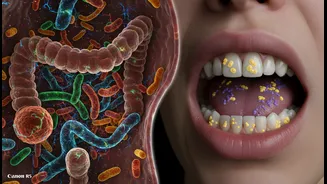
The Allure of the Inner Ecosystem
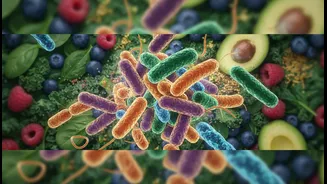
Your digestive system is home to trillions of microorganisms, collectively known as the gut microbiome. This complex community is crucial for everything from nutrient absorption to immune function. In recent years, science has revealed that what we eat
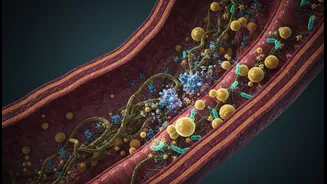
directly influences this ecosystem. Different foods favour different microbes. For example, when you eat dietary fibre, certain bacteria break it down in a process that produces beneficial compounds like short-chain fatty acids (SCFAs). These SCFAs are vital for keeping the cells lining your gut healthy, regulating your immune system, and reducing inflammation. This fascinating interplay has fuelled the exciting field of personalized nutrition, which aims to tailor dietary advice to an individual's unique biological makeup, including their gut microbes.
What Gut Reactions Can Reveal
Monitoring how your microbiome responds to different foods can offer valuable clues about your health. For instance, it can indicate how effectively your body is able to break down indigestible carbohydrates and fibres. A robust response, marked by the production of those helpful SCFAs, is generally a sign of a well-functioning gut. Studies have shown that short-term dietary changes can rapidly alter the microbiome's composition. This suggests that our food choices have a direct and measurable impact. For people with a low-fibre diet, introducing more fibre can quickly increase the population of fibre-degrading bacteria, shifting their microbial profile to one that looks healthier. In essence, these microbial signals provide a snapshot of how your internal ecosystem is processing your diet.
A Map, Not the Entire Territory
Here's the crucial caveat: a snapshot is not the full picture. The field of gut microbiome research, while promising, is still in its early stages. One major issue is the reliability of direct-to-consumer testing. A 2026 study from the National Institute of Standards and Technology (NIST) found shocking inconsistencies among commercial gut testing kits, with different companies providing vastly different results from identical samples. Furthermore, your microbiome is dynamic, changing not just with diet but also with stress levels, sleep patterns, physical activity, and medications like antibiotics. Chronic stress, for example, can alter gut bacteria and increase inflammation, making you more sensitive to certain foods regardless of your microbial makeup. Relying on a single stool sample to dictate your entire diet ignores this complexity.
Beyond the Microbiome: A Holistic View
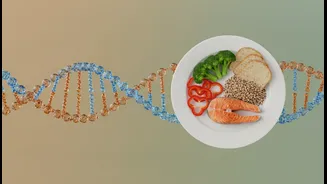
True nutritional wisdom requires looking beyond a single data point. Many factors that we can't control, like our genetics, age, and mode of birth (vaginal versus C-section), play a role in shaping our microbiome from day one. A healthy diet isn't just about feeding specific bacteria; it's about providing the full range of nutrients your body needs. A holistic approach considers your overall dietary pattern, lifestyle habits like exercise, and your personal medical history. Focusing solely on microbial response risks a kind of nutritional tunnel vision, where you might prioritize a food that supposedly boosts a 'good' bacterium while neglecting other essential nutrients, or ignoring the negative effects of a high-fat, high-sugar Western diet that can harm microbial diversity.
Building a Resilient Gut, Practically
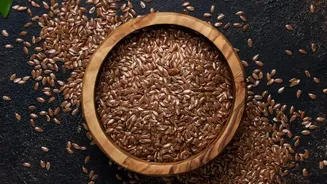
So, what’s the smart approach? Instead of chasing the perfect microbial balance based on a potentially unreliable test, focus on the fundamentals that are proven to support a healthy and diverse gut ecosystem. The single most powerful lever is dietary diversity. Aim to eat a wide variety of plant-based foods—fruits, vegetables, whole grains, legumes, nuts, and seeds. This provides a broad spectrum of fibres and prebiotics that nourish different types of beneficial microbes. Incorporating fermented foods like yogurt and kefir can introduce probiotics, or 'good bacteria', into your system. Managing stress, prioritizing sleep, and getting regular exercise also have a profoundly positive impact on gut health, creating a resilient internal environment without the need for a specific prescription.