



An Art with a Golden History
Gold leafing, also known as gilding, is the art of applying incredibly thin sheets of gold to a surface. This technique dates back thousands of years, with roots in ancient Egypt, where it was used to adorn tombs and sarcophagi, believed to be the colour
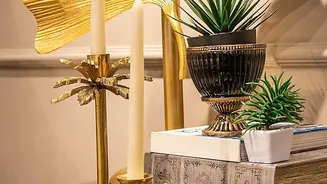
of the gods. The practice was refined by the Greeks, Romans, and later, European royalty like Louis XIV, who famously decorated the Palace of Versailles with gilded furniture and mirrors to project opulence and power. Today, this age-old craft is no longer reserved for palaces. It has become a beloved technique in modern interior design to add a layer of warmth, light, and sophistication to a space, making it feel curated and special.
The Magic of Transformation
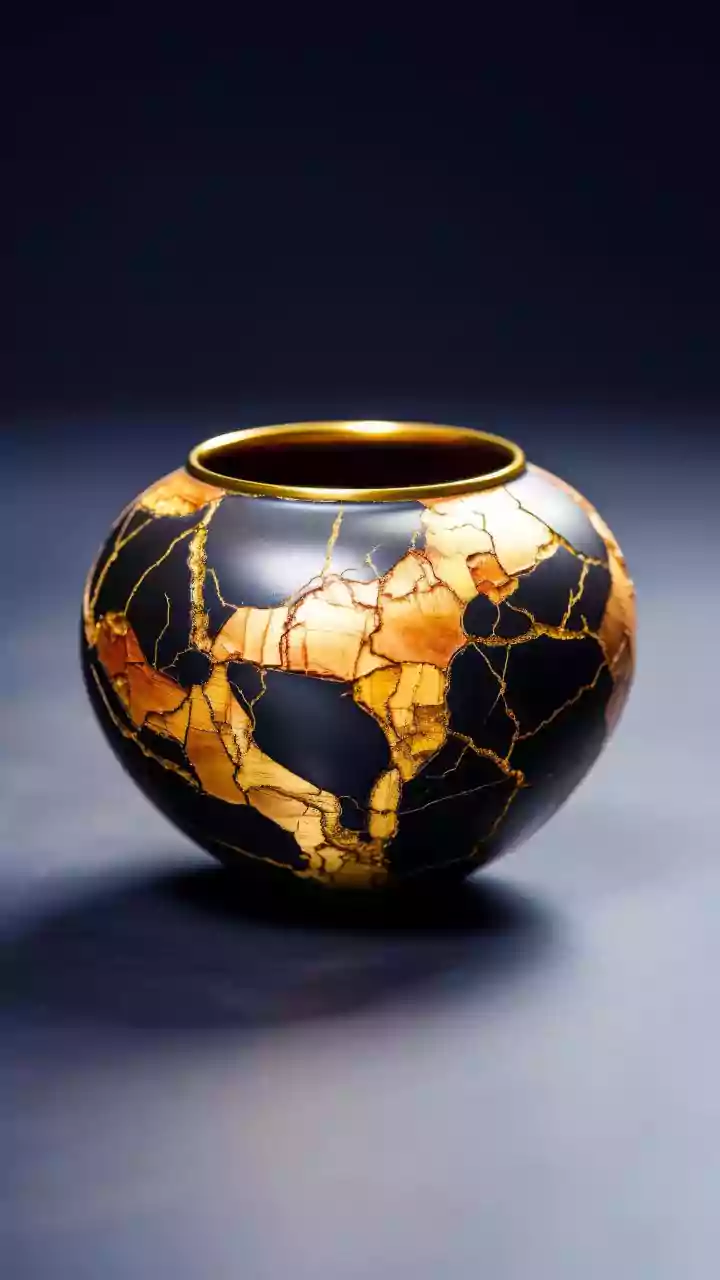
So, how does a whisper-thin sheet of metal create such a dramatic effect? Unlike metallic paint, gold leaf provides a unique lustre and texture that catches light in a dynamic way. The manual application process itself, with its beautiful imperfections, ensures that no two pieces are exactly alike. This handcrafted touch is what elevates a standard, factory-made item—be it a picture frame, a lamp base, or the legs of a console table—into something that feels personal and bespoke. The warm glow of gold adds a visual richness that paint struggles to replicate, turning the ordinary into an extraordinary focal point.
Choosing Your Canvas and Your Leaf
Almost any surface can be gilded, including wood, glass, ceramic, and metal, making the possibilities in your home nearly endless. Think about upcycling a thrift store mirror, adding a golden band to plain terracotta pots, or highlighting the carved details on an old dresser. For beginners, it’s best to start with a smaller, manageable project. You'll also need to choose your leaf. Genuine gold leaf, available in various karats, does not tarnish and offers an unmatched richness, making it ideal for high-end projects or outdoor use. However, for most indoor decorative projects, imitation gold leaf (also called composition leaf or Dutch metal) is a fantastic and affordable alternative. Made from a brass-and-copper alloy, it provides a beautiful shine and is thicker, making it slightly easier for beginners to handle.
Your Essential DIY Gilding Toolkit
Getting started with gold leafing doesn't require a master artisan's workshop. A basic kit will get you well on your way. You will need: Leaf sheets (imitation gold leaf is perfect for starting out), a specialized adhesive called 'size', a few soft-bristled brushes for applying the adhesive and burnishing the leaf, and a sealant or varnish. The size is a particular type of glue that becomes tacky as it dries, creating the perfect surface for the delicate leaf to adhere to. The sealant is crucial, especially when using imitation leaf, as it protects the surface from tarnishing and wear over time.
A Simple Guide to Applying Gold Leaf
Though it looks intricate, the basic process is quite straightforward. First, prepare your surface by cleaning it thoroughly and applying a base coat of paint if desired. Next, use a soft brush to apply a thin, even layer of adhesive size to the area you want to gild. The key is patience; you must wait for the adhesive to become tacky—it will turn from milky to clear. Once tacky, gently lay a sheet of gold leaf onto the surface. Don't worry about wrinkles or cracks; these often add to the character. Use a dry, soft brush to gently press the leaf into the adhesive and sweep away the excess flakes (save these for smaller projects!). After covering the desired area and brushing off the excess, allow it to dry completely before applying a clear topcoat to seal and protect your work.