







The Itch is Just the Beginning
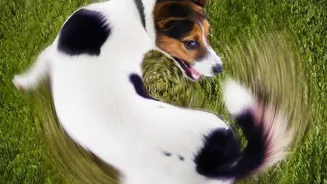
An itchy dog is one of the most common reasons pet owners visit the veterinarian. Medically known as pruritus, itching isn't a disease itself, but rather a symptom of an underlying problem. While a random scratch is normal, persistent itching that disrupts
your dog's life (and your peace) points to something more. The main culprits are often parasites, infections, or allergies. Allergies, in particular, are a frequent cause of chronic discomfort in dogs and can be triggered by environmental factors like pollen and dust mites, or ingredients in their food. Your vet's job is to play detective, and the clues you observe at home are crucial for solving the case.
Reading the Clues on Their Skin
When a dog scratches, licks, or chews excessively, their skin pays the price. What might start as a simple itch can quickly lead to visible changes. Look for redness, rashes, or even small bumps. If the itching has been going on for a while, you might notice patches of hair loss (alopecia) or areas where the skin has become thickened and dark, sometimes called 'elephant skin'. Sores or 'hot spots' can also develop; these are areas of inflamed, infected skin that can be moist and painful, caused by the self-trauma of constant scratching and licking. These skin changes aren't just cosmetic; they signal a level of inflammation and irritation that needs attention and can often lead to secondary bacterial or yeast infections.
The Skin-Ear Connection
It's a mistake to think of ear problems as separate from skin issues. Recurrent ear infections are a classic sign of underlying allergies in dogs. The skin inside the ear canal is just as susceptible to allergic reactions as the skin on the belly or paws. When an allergic reaction occurs, the ear canals can become inflamed, itchy, and create a warm, moist environment perfect for bacteria and yeast to overgrow. Signs of an ear infection include head shaking, scratching at the ears, redness, discharge, or a foul odor. If you find yourself treating ear infections over and over again, it’s a strong indicator that you need to address a bigger, systemic issue like allergies.
Why the Obsessive Licking?
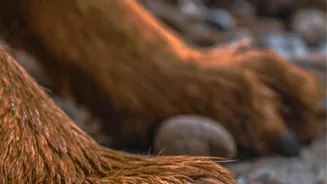
Constant licking, especially of the paws, is another major clue. While dogs may lick their paws for many reasons, including injury or anxiety, it is a hallmark sign of atopic dermatitis (environmental allergies). A dog's paws come into direct contact with grass, pollen, and other allergens on the ground. This contact can trigger an intense, localized itch that the dog tries to soothe by licking. You might notice their paws are red and swollen, or that the fur between their toes is stained a reddish-brown color from enzymes in their saliva. Just like with scratching, this constant moisture from licking can damage the skin barrier and pave the way for painful secondary yeast or bacterial infections.
Putting the Pieces Together for Your Vet
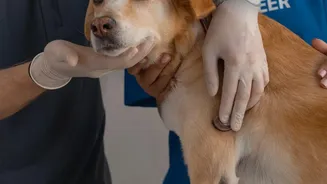
A dog with an itch isn't a simple case. A dog with an itch, recurring ear infections, and rust-colored paws tells a much clearer story. When you see these signs together, it paints a strong picture of an allergic dog. Your role as a pet owner is to be a good observer. Keep a log of the symptoms you see, where they appear on your dog's body, and if they seem to change with the seasons. When you visit the vet, this information is invaluable. Your vet can perform diagnostic tests like skin cytology or scrapings to check for infections or parasites and may recommend allergy testing or a diet trial to pinpoint the primary cause. Identifying the root cause is the only way to break the cycle of itching, infection, and discomfort for your pet.