








What Exactly Is Datura?
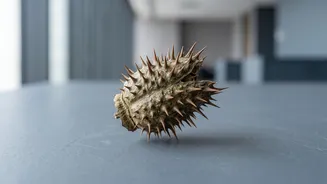
Datura is a genus of plants known by many names, including Dhatura, Thorn Apple, Devil's Trumpet, and Jimsonweed. It grows wild across India and is easily recognisable by its large, trumpet-shaped flowers and spiky, round fruit. The plant holds a significant
place in Indian culture, particularly in religion where it is famously associated with Lord Shiva and used as a temple offering. It also has a long history in traditional medicine systems like Ayurveda, where it has been used in carefully prepared, controlled doses for conditions like asthma. However, every part of the plant—its leaves, flowers, roots, and especially its seeds—is extremely poisonous.
The 'Online Case' Explained
The recent controversy, or "online case," stems from the discovery that Datura fruits and seeds were being listed for sale on major e-commerce and quick-commerce platforms in India. This led to swift action from authorities, with Karnataka's Food Safety and Drugs Administration Department suspending the food licenses of several large online retailers for allowing the sale of the toxic plant for human consumption. The concern was twofold: first, that people seeking a recreational high could easily purchase it, and second, that unsuspecting customers might mistake it for an edible fruit, especially since it was reportedly even offered as a freebie in some cases. Experts have stressed that Datura should never be sold directly to the public online.
Why Is It So Dangerous?
Datura's danger lies in its chemical composition. It contains potent tropane alkaloids, namely atropine, scopolamine, and hyoscyamine. These chemicals are deliriants, meaning they disrupt the normal functioning of the brain and nervous system. Unlike some hallucinogens that alter perception, Datura can cause a complete inability to distinguish fantasy from reality. The concentration of these toxic compounds is unpredictable and varies from plant to plant, and even between different parts of the same plant, making any dose a life-threatening gamble. There is no safe amount for recreational consumption.
The Effects: Fact, Not Fiction
Ingesting Datura is not a pleasant or enlightening experience; it is a medical emergency known as anticholinergic poisoning. Symptoms typically appear within 30 to 60 minutes and can last for days. The effects include a severely dry mouth, blurred vision, painfully dilated pupils, a rapid and irregular heartbeat, and high fever. The psychological effects are terrifying and include severe confusion, agitation, bizarre behaviour, and vivid, frightening hallucinations that the person believes are real. This state of delirium can lead to accidental self-harm or violent actions. In severe cases, it results in seizures, coma, respiratory failure, and death.
Recreational Use vs. Traditional Context
The modern recreational misuse of Datura, often fueled by online curiosity, is a world away from its traditional role. In spiritual or medicinal contexts, the plant was handled by experienced practitioners who understood its extreme toxicity and used it in highly specific, controlled ways. The current trend of teenagers and young adults experimenting with it for a 'high' ignores this crucial knowledge. The internet has made it easier not only to learn about Datura's effects but also to purchase its seeds, creating a significant public health risk. The difference is clear: traditional use was based on respect for the plant's power, while recreational use is a dangerous game of chance.