



The Real Damage: It's About Protein Loss
To understand why some oils work better than others, we first need to know what we're trying to fix. Healthy hair is rich in proteins. Daily wear and tear from washing, brushing, and styling can damage the hair's structure and cause these crucial proteins to leach
out. This protein loss is a major cause of weakness, breakage, and frizz. While many products coat the hair to make it feel smoother temporarily, a truly effective treatment needs to address this internal protein loss. The goal isn't just to add a glossy layer on top, but to protect the hair from the inside out.
Coconut Oil's Unique Ability to Penetrate
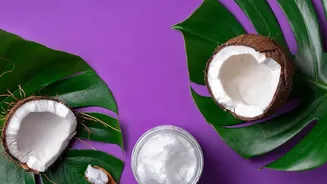
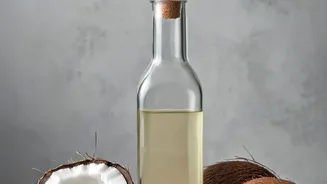
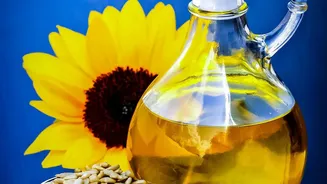
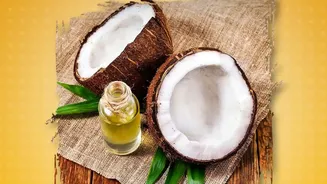
This is where coconut oil stands out, according to scientific research. A landmark study in the Journal of Cosmetic Science compared the effects of coconut oil, sunflower oil, and mineral oil on hair. The findings were clear: coconut oil was the only one that significantly reduced protein loss for both undamaged and damaged hair. It worked when used as both a pre-wash treatment and a post-wash grooming aid. The other two oils, both popular in hair products, showed almost no ability to prevent this protein loss. This suggests coconut oil does more than just sit on the surface; it gets inside the hair shaft to offer protection.
The Secret Is Its Molecular Structure
The reason for coconut oil's superior performance lies in its chemical makeup. It is predominantly composed of a medium-chain fatty acid called lauric acid. Due to its low molecular weight and straight, linear chain, lauric acid has a high affinity for hair proteins and is small enough to penetrate deep inside the hair shaft. In contrast, mineral oil is a hydrocarbon and has no ability to bind with proteins, so it can only coat the hair's exterior. Sunflower oil, though a natural triglyceride like coconut oil, is rich in linoleic acid, which has a bulkier molecular structure that prevents it from easily penetrating the hair fiber.
How It Compares to Other Popular Oils
While coconut oil shows the strongest evidence for preventing protein loss, what about others like argan or castor oil? A 2024 review of multiple studies found that coconut oil had the most robust evidence supporting its benefits for reducing hair breakage and protein loss compared to both castor and argan oils. While castor oil showed some benefits for luster and argan oil's effects were comparable to silicone-based products, neither had the same level of scientific backing for internal protection as coconut oil. This doesn't mean other oils are useless—many are excellent at moisturizing and adding shine—but for the specific job of preventing protein loss, coconut oil has the clearest scientific advantage.
How to Use It for Best Results
To leverage its protective benefits, applying coconut oil as a pre-shampoo treatment is highly effective. Work a small amount through dry hair, focusing on the mid-lengths and ends, and leave it on for at least 30 minutes (or even overnight). This allows the oil time to penetrate the hair shaft, shielding it from swelling and damage during washing. You can also use a tiny amount on dry hair to tame frizz and add shine, but a little goes a long way. Those with very fine or low-porosity hair might find it too heavy, so it's always best to start with a small amount to see how your hair responds. For most hair types, especially those prone to dryness or damage, it’s a simple, evidence-based way to improve hair resilience.